If you notice that your water pump keeps switching on and off repeatedly every few seconds or after very short intervals, do not assume that this behavior is normal simply because water is still reaching the taps. A pump is designed to start and stop according to demand, but excessive cycling can indicate a small leak, a pressure-tank problem, incorrect air pressure, a faulty check valve, an incorrectly adjusted pressure controller, or even a pump that is oversized for the system. Grundfos officially identifies small leaks and oversized pumps among the possible causes of frequent cycling and also links incorrect pressure-tank precharge to fluctuating pressure, increased operating stress, and higher energy use. The goal here is to treat the cycling pattern itself as a diagnostic clue instead of replacing the pressure switch or pump through trial and error.
Water Pump Keeps Switching On and Off Constantly
When a water pump keeps switching on and off constantly, the first question should be: is anyone actually using water when this happens, or does the pump continue cycling while every tap in the house is closed? That single question separates two very different diagnostic paths.
If all fixtures are closed and the pump still starts every short period, something is probably causing system pressure to fall after the pump stops. The cause may be a small leak from a tap, toilet float valve, hidden pipework, or another fixture. It may also be a check valve that no longer prevents water from flowing backward. As pressure falls, the system interprets this as new demand and starts the pump again. Grundfos specifically identifies small leaks in a pressure system as one possible cause of frequent pump starting and stopping.
If the problem appears only while water is being used, such as opening a small tap and seeing the pump run for a few seconds, stop, and then restart almost immediately, attention moves toward the pressure cycle and pressure tank. A pressure tank stores a usable volume of pressurized water so the motor does not have to start every time someone uses a very small amount of water. If the air charge is incorrect or the effective storage volume has fallen, the pump reaches the shutoff pressure very quickly, then pressure drops again with only a small amount of water use and the cycle repeats.
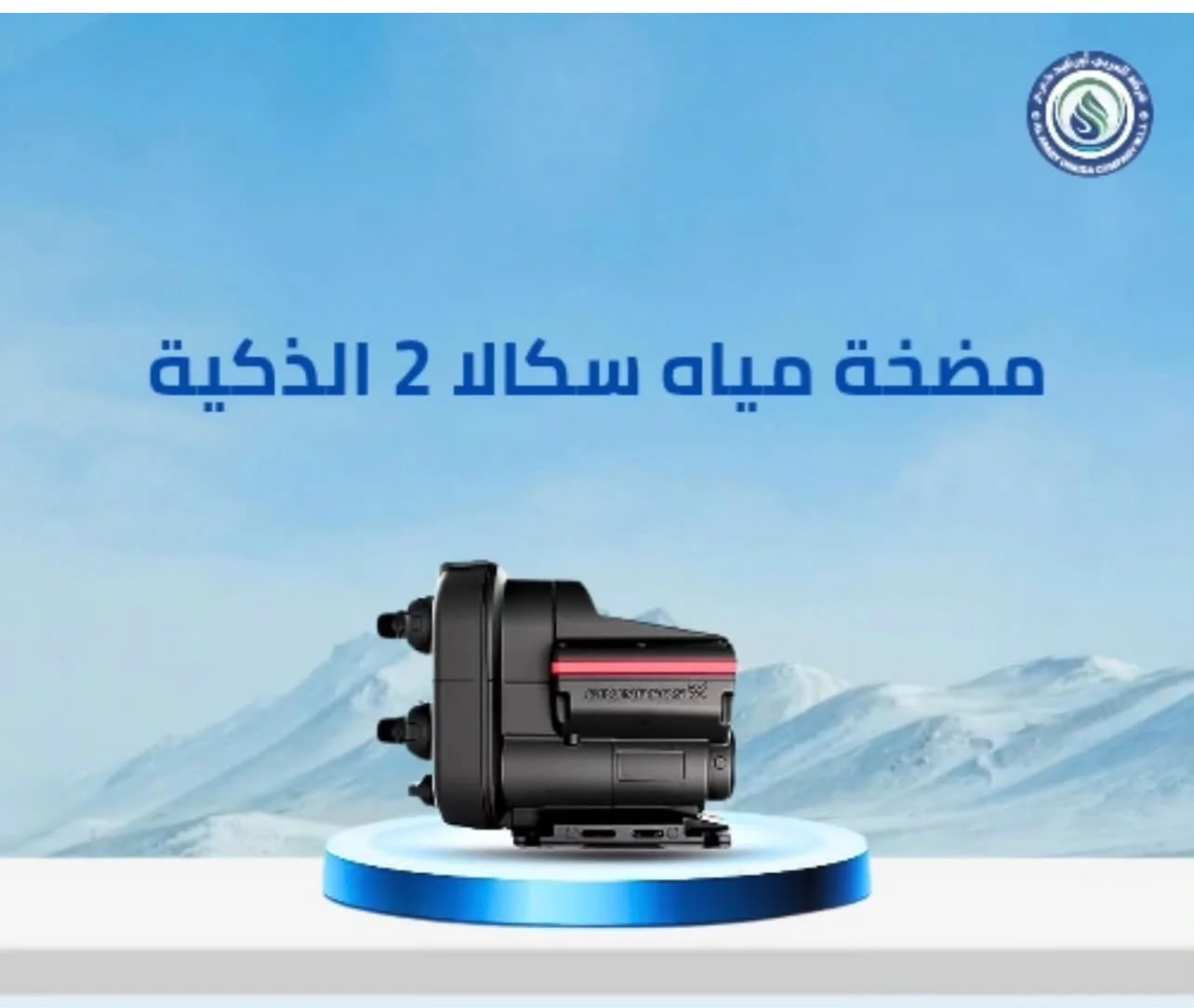
Grundfos explains that incorrect pressure-tank precharge can contribute to unstable pressure, unnecessary cycling, additional stress, and higher electricity consumption. For SCALA2 specifically, the manufacturer recommends checking the tank precharge periodically.
It is also important to understand that not every start-stop cycle represents a fault. Traditional pressure systems are designed to switch on and off. The concern is when the cycles become noticeably shorter or much more frequent than the system’s normal behavior.
-
If the pump starts while all fixtures are closed begin by checking for leakage and a faulty check valve before opening the pump itself
-
If short cycling appears mainly during small water use inspect the pressure tank air charge and available drawdown volume
-
Normal starting and stopping is part of traditional pressure-system operation but unusually frequent cycling requires a clear explanation
-
Pressure falling quickly after the pump stops is an important diagnostic sign because it indicates that stored system pressure is escaping somewhere
-
Do not automatically replace the pressure controller because the real cause may be the plumbing network check valve or pressure tank
Pump Starts and Stops Rapidly
When the pump starts and stops rapidly within seconds or much faster than it used to, this condition is commonly described as short cycling. One of the most common mistakes is replacing the pressure switch immediately even though the problem may actually be in the pressure tank.
To understand the process, remember that the pump starts at one pressure and stops at a higher pressure. Between those two values, the system should have a usable amount of pressurized water stored in the pressure tank. When that available volume is correct, a small amount of water can be used before the pump needs to start again.
If the pressure tank loses its air charge, the space that should contain compressed air no longer behaves properly and the usable water volume between cycles becomes much smaller. You open a tap, pressure drops quickly, the pump starts, pressure rises rapidly to the cut-out point, the pump stops, and a few seconds later the pressure falls again.
Grundfos states in booster-system guidance that incorrect diaphragm-tank precharge can cause pumps to start and stop too frequently. For SCALA2 specifically, the manufacturer provides a precharge relationship tied to the selected outlet pressure. That value applies to that model and should never be copied automatically to every traditional pressure tank on the market.
Another cause that should not be ignored is an oversized pump. If the pump is much larger than the actual demand, it can raise system pressure extremely quickly, reach the stop point almost immediately, and create an unnecessarily aggressive operating cycle. Grundfos also lists an oversized pump as a possible cause of frequent starting and stopping.
-
Short cycling means system pressure is moving between the start and stop points much faster than intended
-
A pressure tank that has lost the correct air charge stores less usable water and therefore causes more frequent pump starts
-
Pressure-tank precharge values depend on the specific system and the SCALA2 value should not be applied blindly to every pressure tank
-
An oversized pump can reach shutoff pressure too quickly and increase motor cycling
-
Proper diagnosis records operating time and pressure behavior instead of describing the problem only as fast switching
Causes of Frequent Water Pump Operation
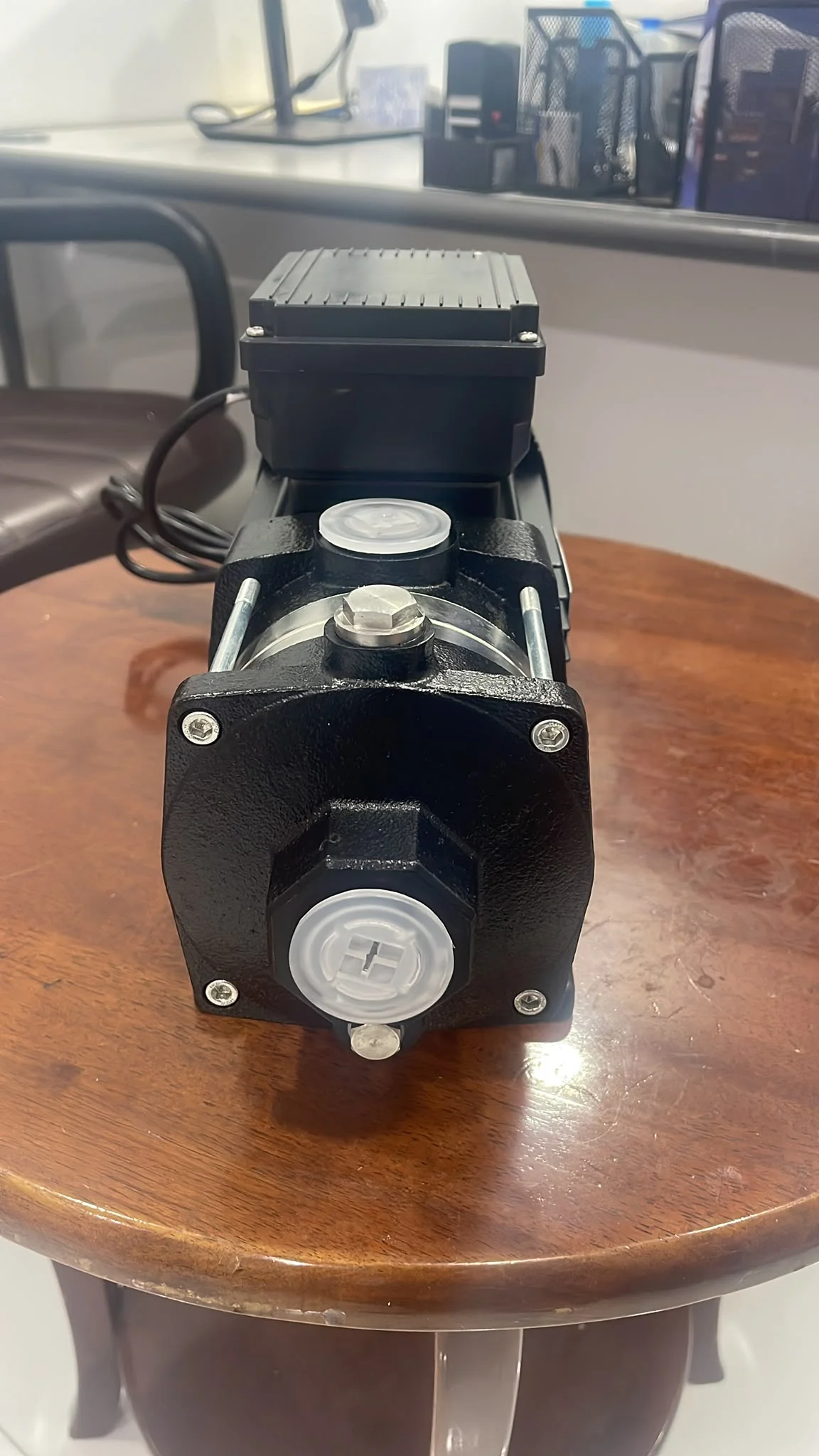
The causes of frequent water pump operation are not limited to one component, so the most useful approach is to classify them according to where system pressure is being lost.
The first group is leakage after the pump. Any water loss, even a small one, can reduce network pressure enough to restart the system. The leak may be visible at a tap or float valve, or it may be hidden somewhere in the plumbing.
The second group involves the check valve. Its job is to prevent water from flowing backward when the pump stops. If the valve sticks, becomes dirty, or fails to close completely, some of the stored pressure can escape backward. In SCALA2 troubleshooting information, Grundfos notes that a faulty or partially open internal non-return valve can cause the pump to restart repeatedly shortly after stopping.
The third group is the pressure tank. Incorrect precharge reduces pressure stability and increases cycling. In traditional systems, tank size also matters. Grundfos explains technically that diaphragm-tank design influences how often the pump starts and stops and how much pressure changes between cycles.
The fourth group involves pressure-controller settings. If the start and stop points are too close together for the system design, or if the starting pressure is inappropriate for the property, the pump can cycle more frequently than necessary.
The fifth group is pump selection. A pump that is oversized for the actual demand can raise pressure too quickly and repeat the start-stop cycle. The opposite problem can also occur: if the pump is too small to reach the shutoff pressure, it may run continuously instead of cycling.
This is why the statement “frequent cycling means the automatic controller is bad” is incomplete. A proper diagnosis looks at where pressure goes after the pump stops and how the system behaves during actual water use.
-
A small leak can repeatedly restart the pump even when the amount of lost water seems minor
-
A check valve that does not seal allows pressure to flow backward and pulls the system back toward the start point
-
An undersized or incorrectly charged pressure tank reduces the amount of usable water between pump cycles
-
Incorrect pressure settings can make a mechanically healthy system cycle more often than necessary
-
An oversized pump is not simply extra strength because it can increase the number of starts and stops
Pump Stops Every Minute
If the pump stops every minute, there is no universal rule saying that exactly one minute is automatically wrong for every pump system. A pump serving continuous demand can behave differently from another pump in a small home. What matters is whether the behavior is new, whether it happens during very small demand, and whether pressure noticeably rises and falls.
If a small tap is open and the pump runs for about a minute, stops, then starts again, the technician should examine how much usable water is being delivered between the two pressure points. A healthy pressure tank gives the system some operating buffer so the motor does not need to start for every small amount of water. If the tank contains too much water and too little compressed air, or if precharge is incorrect, the drawdown volume becomes smaller.
Grundfos recommends periodic checking of SCALA2 pressure-tank precharge because air can gradually decrease over time as the diaphragm moves through repeated operating cycles. Incorrect precharge can contribute to pressure fluctuation, increased risk of damage, and higher energy consumption.
However, if the pump stops every minute and the property is not using any water at all, the diagnosis shifts strongly toward leakage or pressure flowing backward through a check valve. A technician may isolate parts of the network safely and observe whether pressure remains stable. If pressure stabilizes, the problem is likely downstream. If it continues falling, inspection moves toward the check valve, nearby connections, or the pump assembly.
Smart pumps should not be judged by exactly the same cycling rule because their variable-speed control logic may operate differently. Their pressure settings, warnings, and actual operating behavior need to be reviewed rather than counting cycles alone.
-
One minute is not a universal fault limit but a newly shortened cycle deserves measurement and inspection
-
If the pattern appears during very small demand inspect the usable pressure-tank volume between cycles
-
If the pump restarts without any water use focus strongly on leakage or a check valve that is not holding
-
Smart pumps require their control settings and warning indicators to be reviewed because their operating logic differs from traditional systems
-
Record the time between pump starts together with pressure readings because those numbers are much more useful than simply saying the pump cycles often
Water Pump Cutting Out During Operation
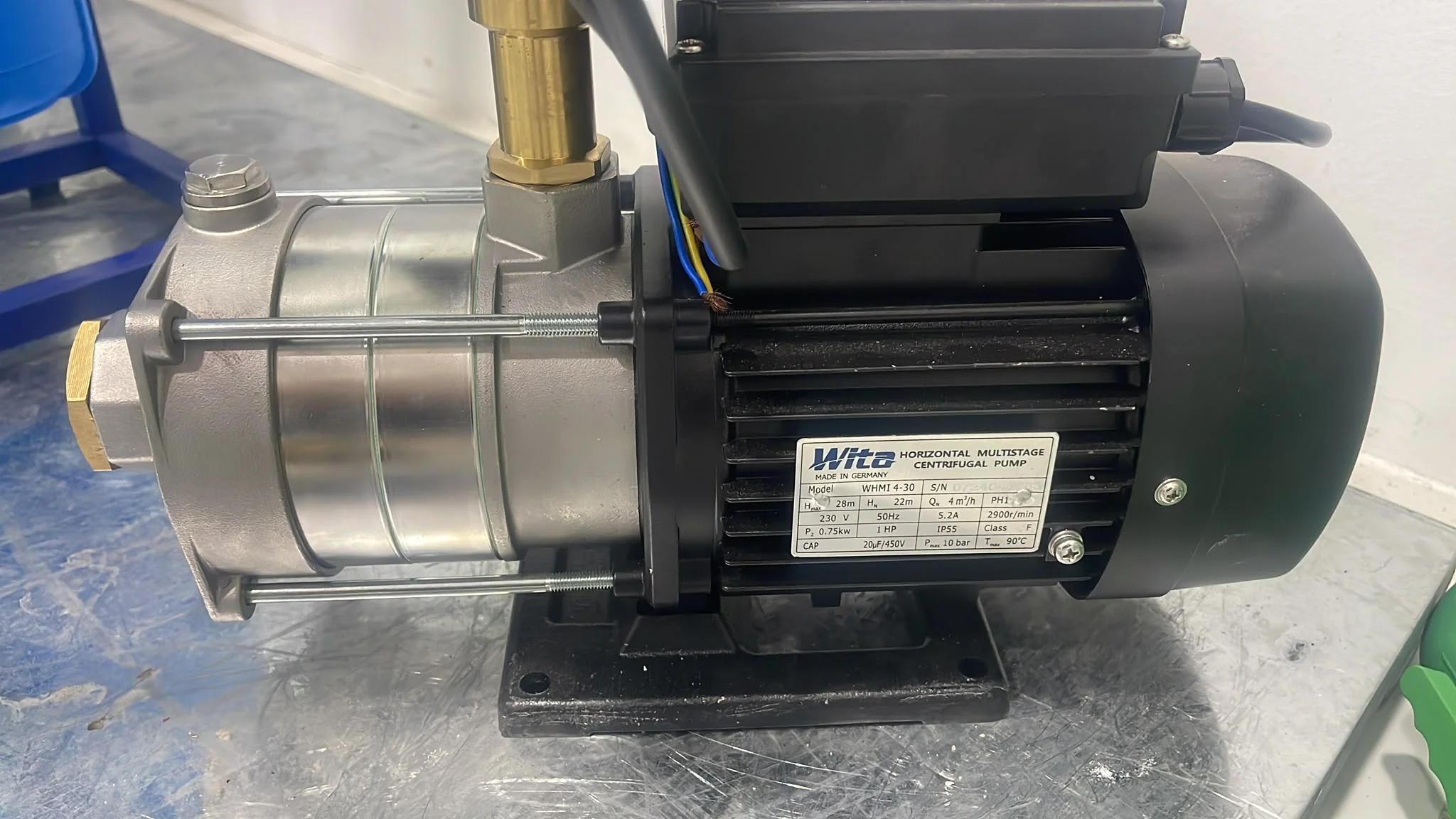
Water pump cutting out during operation is different from normal stopping after the target pressure has been reached. If the pump repeatedly cuts out while it is trying to build pressure or while someone is taking a continuous shower, the first thing to determine is whether the motor itself is losing electrical operation or whether water pressure is fluctuating while the motor continues running.
If the motor stops and then starts again, the investigation moves toward electrical protection and control. Possible causes can include unstable voltage, a loose electrical connection, thermal protection, or a pressure-control problem. If pressure rather than electricity is causing the shutdown, the technician should review the cut-out setting and whether the pump reaches it too quickly.
If water flow becomes intermittent while the motor remains running, attention moves toward the suction side. Is the pump pulling air? Is the tank water level too low? Is an inlet valve or strainer partially blocked? Grundfos troubleshooting information for SCALA2 includes insufficient water supply, restricted inlet piping, foot-valve issues, non-return-valve problems, and suction-line air among the conditions that can create unstable operation.
Another important distinction is between pressure interruption and dry-running protection. Some smart pumps intentionally stop themselves when adequate water is not available. That is not necessarily an automatic-controller fault. The pump may simply be protecting itself.
With traditional pumps, repeated thermal-protection trips should be investigated electrically and mechanically. The protection should never be bypassed merely to stop the pump from switching off. Bypassing protection hides the symptom and can place the motor at risk.
-
Determine first whether the interruption comes from the motor actually stopping or only from fluctuating water delivery because the diagnostic path is different
-
Insufficient water supply or air entering the suction line can create intermittent flow even when the fault is located before the pump
-
Smart protection systems may intentionally stop the pump when water is unavailable and disabling the protection is not a proper repair
-
Repeated thermal-protection trips require investigation of electrical load operating conditions and ventilation rather than bypassing the protection
-
Note whether the problem appears during every use or only when the storage tank level falls because timing often reveals the source of the fault
Water Pump Automatic Controller Fault
A water pump automatic controller fault is certainly possible, but it should not be blamed for every case of repeated starting and stopping. The pressure controller or automatic control unit monitors operating conditions and decides when the pump should start and stop. If its settings, sensor, or internal mechanism are faulty, the pump can start at the wrong time or stop before reaching the intended pressure.
Grundfos booster-system documentation identifies a faulty pressure-management device as one possible cause of certain operating problems. It also shows that inappropriate starting-pressure settings or incorrect pump selection can cause other symptoms, including failure to stop or failure to reach the required operating condition.
Before deciding that the automatic controller has failed, compare the pressure-gauge reading with the actual start and stop moments. If the controller is supposed to operate within a known pressure range but the pump switches at clearly abnormal values, the control device deserves closer inspection. If the pump starts and stops at exactly the correct pressure values but does so very rapidly, the controller may be doing its job correctly while the pressure itself is rising and falling too quickly because of the pressure tank, leakage, or insufficient storage volume.
Electrical terminals and wiring should also be checked. A loose or unstable connection can create interruptions that look like a controller fault. Replacing the controller before confirming this may only produce temporary improvement.
With a smart pump, the “automatic controller” is not necessarily a simple external component. Pressure sensing, electronic control, and programming may be integrated into the pump, so warnings and settings need to be reviewed as part of the complete system.
-
The automatic controller should be judged by comparing its behavior with actual measured pressure rather than by counting pump starts alone
-
If the pump starts and stops at the correct pressure values but cycles rapidly investigate why pressure itself is changing so quickly
-
An inappropriate starting-pressure setting can change system behavior even when the control device is mechanically healthy
-
Loose electrical connections can imitate controller failure and should be included in the inspection
-
A smart pump requires integrated diagnosis of the sensor settings and control unit rather than the same approach used for a simple external pressure switch
Water Pump Pressure Fluctuation
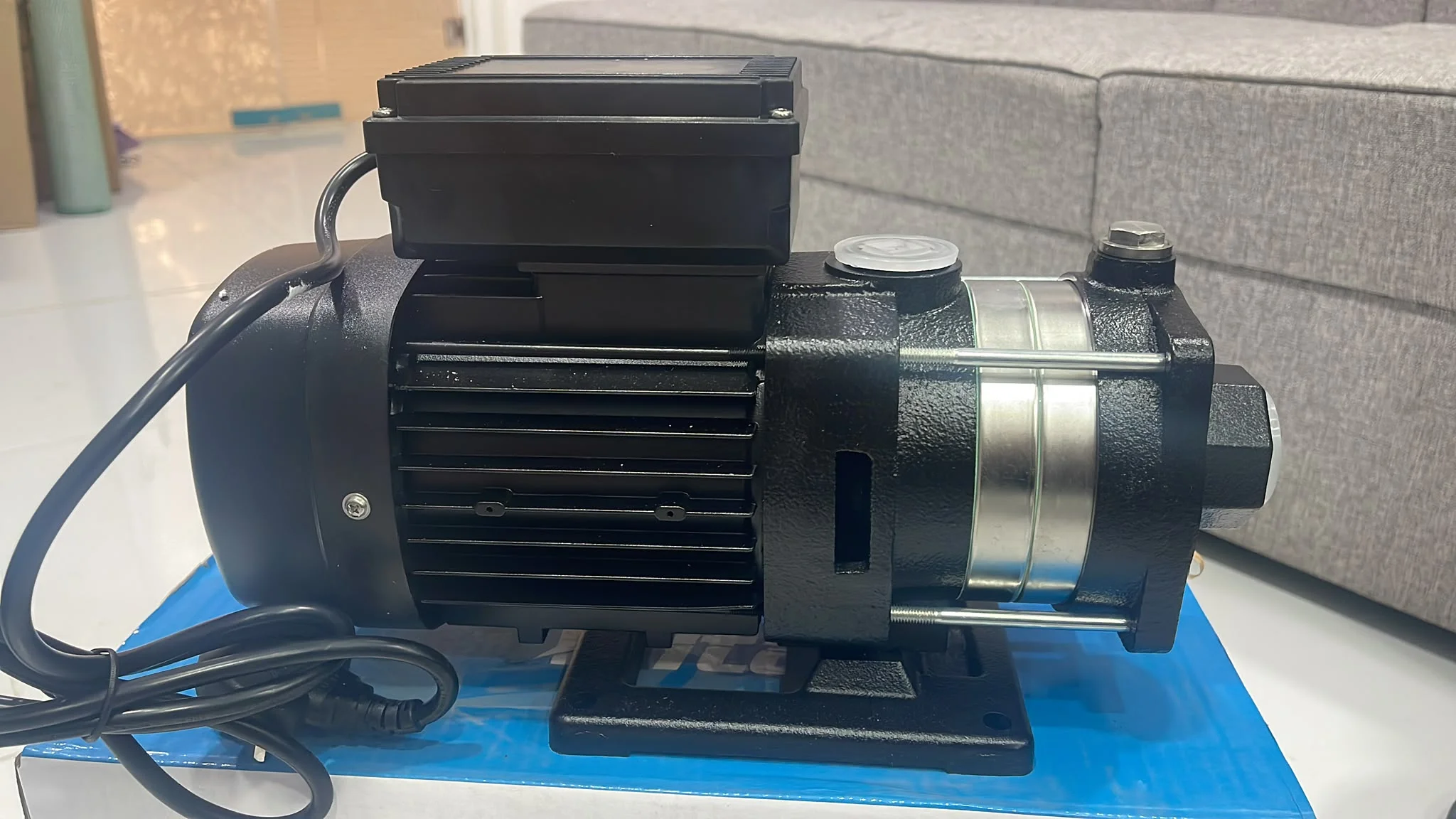
Water pump pressure fluctuation is often the first symptom a homeowner notices before paying attention to the pump itself. You may be standing under the shower when the water becomes strong, then weak, then strong again in a repeating pattern.
In a traditional pressure system, a small amount of pressure change between the pump start and stop points is normal because that is how the system is designed to operate. However, if the fluctuation becomes uncomfortable or noticeably different from previous performance, the pressure tank and control settings should be inspected.
Grundfos states that failing to maintain correct pressure-tank precharge in SCALA2 can contribute to fluctuating pressure, increased noise, a greater risk of damage, and higher energy consumption. This is important because the pressure tank is not simply an extra container. It plays a direct role in absorbing pressure changes within the system.
In some cases, the fluctuation is not caused by the pressure tank at all but by changing water demand. If several additional fixtures are opened and the pump is close to its performance limit, pressure can fall. When those fixtures close, pressure rises again. In this case, the pump may not be cycling incorrectly; it may simply be moving along its performance curve as flow changes.
With a variable-speed smart pump, one of the main objectives is to reduce this fluctuation by changing pump speed according to demand. Therefore, if a smart pump that previously maintained stable pressure begins producing noticeable fluctuations, the pressure tank, sensor, control settings, water source, and network should all be reviewed.
The pressure regulator should not be forgotten either. If a regulator is installed downstream and develops a fault or is adjusted incorrectly, it can create symptoms that the customer mistakenly attributes to the pump.
-
Minor pressure variation can be normal in traditional systems but a noticeable new change deserves investigation
-
The pressure tank is an important part of reducing pressure fluctuations between operating cycles
-
A sudden increase in simultaneous water demand can reduce pressure without any mechanical fault in the pump
-
A smart pump that previously delivered stable pressure but begins fluctuating should have its controls tank and water supply checked
-
Downstream pressure regulators and valves belong in the diagnosis because they can change the pressure the user actually feels
Booster Pump Keeps Starting and Stopping
When a booster pump keeps starting and stopping, the behavior needs to be interpreted according to the booster design. A traditional pump with a pressure tank and pressure switch behaves differently from a smart variable-speed booster, and both differ from larger multi-pump systems serving buildings.
In systems using a diaphragm tank, Grundfos explains that the tank design directly influences how often the pump starts and stops and how much system pressure changes between cycles. If the tank is smaller than the application requires or no longer provides its normal usable capacity, the number of pump cycles increases.
In residential systems, a small leak is a simple but very disruptive cause. Every time the booster stops, system pressure begins to fall. Once it reaches the start pressure, the motor starts again. That is why one of the first practical tests is performed with every water outlet closed: does the system maintain pressure, or does the gauge slowly fall?
If pressure remains stable, the technician can introduce a small controlled water demand and observe the operating cycle. If the cycle becomes extremely short, attention moves toward pressure-tank condition, pressure settings, and system sizing. If pressure does not remain stable even with no demand, leakage and the check valve become stronger suspects.
In Grundfos SCALA2 troubleshooting guidance, an internal non-return valve that is defective or stuck partially open and incorrect pressure-tank precharge are both associated with repeated restarting shortly after the pump stops.
This makes it possible to distinguish practically between “pressure is escaping” and “the pressure tank is not providing enough usable storage” instead of replacing the complete booster unnecessarily.
-
A booster that restarts while every fixture is closed should first be tested for its ability to hold pressure
-
If pressure falls without water use leakage and check-valve problems become early suspects
-
If pressure remains stable but cycling becomes very short during small demand inspect the pressure tank size and settings
-
Diaphragm-tank capacity directly influences the number of pump starts
-
Do not apply traditional-booster troubleshooting blindly to a smart booster without reviewing its integrated control and non-return valve behavior
Fixing Water Pump Cycling
The solution to water pump cycling is not one universal replacement part. The correct repair depends on the test results. If the cause is leakage, repair the leak. If the check valve allows water to flow backward, clean, repair, or replace it. If pressure-tank precharge is incorrect, adjust it according to the system requirements after safely removing water pressure.
For SCALA2 specifically, Grundfos recommends stopping the pump and relieving system pressure before checking the integrated pressure tank, then setting the precharge according to the specified relationship for that model and the selected outlet pressure. Pressure-tank measurements should not be taken while the water side remains fully pressurized as though the reading represents the true precharge value.
If the cause is an oversized pump, replacing the pump immediately is not always the only possible solution. In some systems, correctly sizing the pressure tank or modifying the control strategy can reduce cycling, but this needs proper calculation rather than simply installing a larger pressure tank at random.
If the pressure controller is genuinely faulty, it should be replaced with a model suitable for the pump performance, pressure range, and plumbing design. A controller should not be selected merely because its threaded connection happens to fit.
If cycling is caused by insufficient water supply or air entering the suction line, the source problem should be repaired before the pump is allowed to run for long periods. If a protection device is operating, it should not be disabled.
The strongest repair always includes proving the result afterward. Operate the system with one fixture, then several fixtures, then close everything and verify that pressure remains stable and the operating cycle has returned to a normal pattern for the property.
-
Repair actual pressure loss when leakage is the cause instead of trying to compensate by increasing the pressure setting
-
A faulty check valve should be repaired or replaced because backward water movement unnecessarily restarts the pump
-
Pressure-tank precharge should be measured and adjusted after system pressure has been relieved according to the correct procedure for the model
-
A replacement automatic controller should match pump performance and network requirements rather than only the physical connection size
-
After repair test the system with no demand low demand and high demand to confirm that cycling has been eliminated at its real source
Diagnosing Frequent Pump Cycling
Diagnosing frequent pump cycling is best done through a six-stage test rather than “try a pressure tank, then try a pressure switch.” The first stage is to close all water outlets and watch the pressure gauge. If pressure falls and the pump restarts, there is pressure loss somewhere that needs to be traced.
The second stage is to isolate parts of the plumbing network gradually through a qualified technician. If pressure becomes stable after the household distribution line is isolated, the leak is probably somewhere downstream. If pressure still falls, attention moves toward the check valve, nearby connections, and pump assembly.
The third stage is inspecting the pressure tank. Does it have the correct air precharge? Is the diaphragm still functioning? Grundfos recommends periodic precharge checking for SCALA2 and links incorrect pressure to fluctuation, noise, inefficient operation, and additional stress.
The fourth stage is recording the pump start pressure and stop pressure. If the range is inappropriate or if the pump cannot reach the stop pressure, the settings and pump capacity need to be reviewed.
The fifth stage is checking the non-return valve. SCALA2 troubleshooting information specifically identifies the internal valve as a possible cause of repeated restarting when it becomes faulty or remains partially open.
The sixth stage is reviewing whether the pump size actually matches the system load. Grundfos also identifies an oversized pump as one possible cause of frequent starting and stopping.
Al Arabi Orchid currently works with traditional Grundfos pumps from 0.5 HP to 2 HP as well as smart pump systems in Kuwait, which means the diagnosis should always begin by identifying what type of pressure system is installed before applying the same troubleshooting rule to every pump.
-
Watch whether pressure remains stable with all fixtures closed because this is one of the fastest ways to separate real water use from abnormal pressure loss
-
Isolate parts of the network methodically so the location of pressure loss can be identified instead of searching randomly
-
Record pump start and stop pressures because these values reveal whether the controller is operating correctly or pressure is collapsing too rapidly between them
-
Check the non-return valve and pressure tank before replacing the pump because both can create the same frequent-cycling symptom
-
For service through Al Arabi Orchid on 99346138 request a diagnosis that identifies the cause of each cycle before any replacement part is approved
Conclusion
Why does a water pump keep cycling on and off constantly?
Because system pressure rises to the stopping point and then falls back to the starting point faster than it should. The real task is finding out why that pressure is falling.
The cause may be a small leak, and Grundfos identifies small leaks as a direct cause of frequent pump cycling. The pump itself may also be oversized for the system demand.
The cause may be the pressure tank. Grundfos recommends checking SCALA2 precharge periodically and explains that incorrect adjustment can cause fluctuating pressure, additional noise, increased operating stress, and higher energy consumption.
The cause may also be the check valve. SCALA2 troubleshooting information notes that a faulty or partially open internal non-return valve can make the pump restart repeatedly shortly after it stops.
The pressure controller is therefore only one possible cause, not the automatic diagnosis for every cycling problem.
Al Arabi Orchid currently works with traditional Grundfos pumps from 0.5 HP to 2 HP as well as smart pump systems as part of its water-pump services in Kuwait. For service, contact 99346138.
When requesting service, do not simply say “the pump keeps cutting out.” Explain whether the pump starts while all taps are closed, whether the cycling happens every few seconds or every few minutes, whether shower pressure fluctuates, and whether the system uses an external pressure tank or a smart integrated pump. Ask the technician to test pressure stability, leakage, check-valve operation, pressure-tank precharge, and the pump start and stop points before replacing any component. That turns the repair from trial-and-error parts replacement into diagnosis based on the actual behavior of the system.
Frequently Asked Questions
Is it normal for a water pump to switch on and off?
Yes. In traditional pressure systems, starting and stopping is a normal part of pressure control. What is not normal is a clear increase in cycling frequency, the pump starting when there is no real water demand, or cycles becoming much shorter than the system’s previous behavior.
Why does the pump start when all the taps are closed?
This usually points toward pressure loss in the system, such as a small leak or a check valve that is allowing water to flow backward. Small leaks are a recognized cause of repeated pump starting.
Can the pressure tank make the pump start and stop rapidly?
Yes. If pressure-tank precharge is incorrect or the tank has lost usable capacity, less water is available between pump cycles. This makes pressure rise and fall more quickly and can increase cycling.
Can a check valve cause the pump to restart repeatedly?
Yes. If the valve allows water and pressure to move backward after the pump stops, system pressure can fall enough to restart the pump. A faulty or partially open non-return valve is a known cause of repeated restarting in some booster systems.
Is the automatic pressure controller always responsible for pump cycling?
No. The pressure controller is only one possibility. Leakage, pressure-tank problems, a faulty check valve, pump oversizing, and incorrect pressure settings can all create similar symptoms, so measurements should be taken before replacing the controller.
Why does the pump stop every minute?
There is no rule saying that exactly one minute proves a fault. However, if this behavior is new or the pump cycles every minute even with very small demand, the pressure tank, leakage, non-return valve, and start-stop settings should all be checked.
Can an oversized pump cause frequent starting and stopping?
Yes. A pump that is significantly larger than the system requires can raise pressure too quickly and reach the shutoff point in a very short time, increasing the number of start-stop cycles.
Should I adjust pressure-tank air pressure myself?
It is better to follow the specific system instructions and relieve the water-side pressure before checking or adjusting precharge. SCALA2, for example, uses a manufacturer-defined relationship between precharge and outlet pressure, and that value should not be applied automatically to every other pressure tank.
Can frequent cycling damage the pump?
Excessive cycling increases the number of motor starts and can place additional stress on system components. Incorrect pressure-tank adjustment is also associated with greater operating stress and higher energy use, so the cause of short cycling should be corrected rather than ignored.
How do I request a pump cycling inspection from Al Arabi Orchid?
Contact 99346138 and provide the pump type, whether the system uses an external pressure tank or a smart integrated unit, when the problem began, and whether the pump starts while all fixtures are closed. Request an inspection covering system pressure stability, leakage, the non-return valve, pressure-tank precharge, pump start pressure, pump stop pressure, automatic-controller settings, and whether the pump size matches actual household demand before deciding to replace any component.