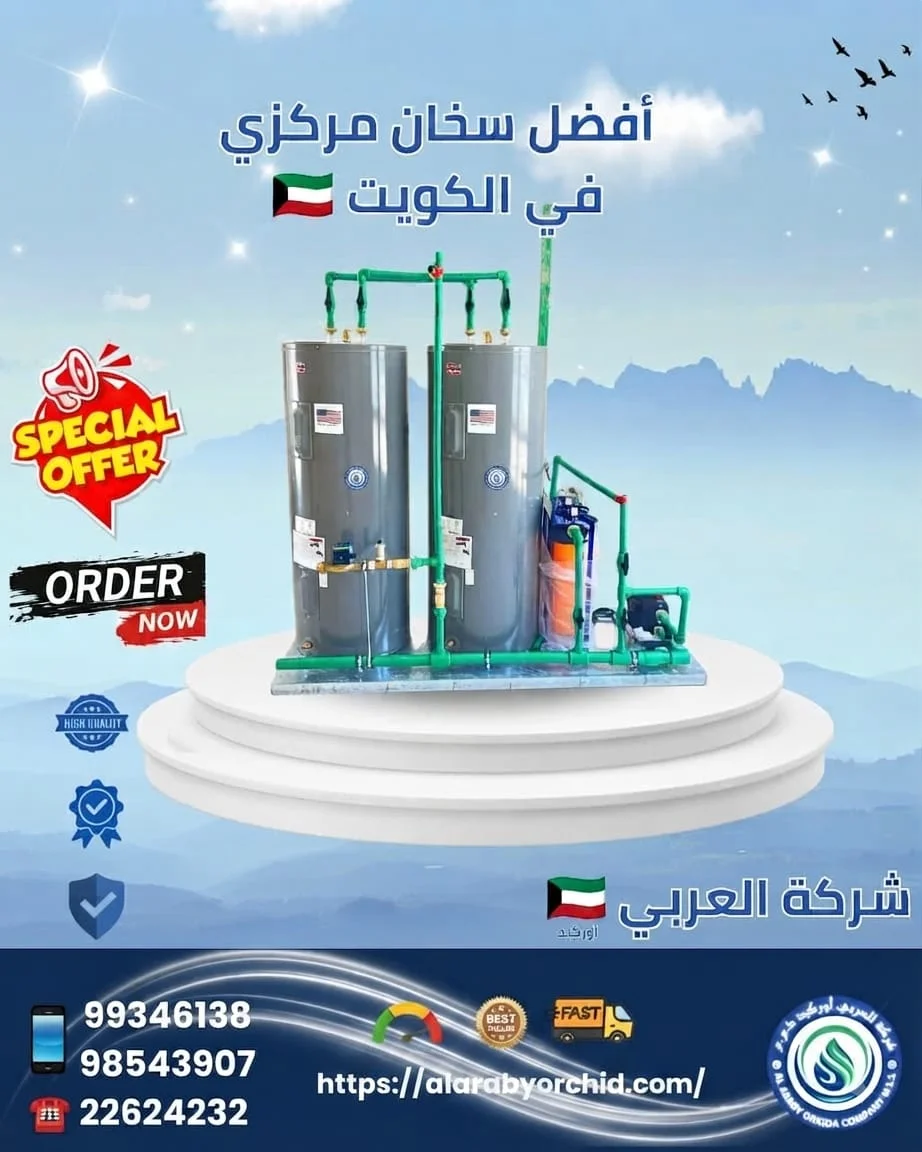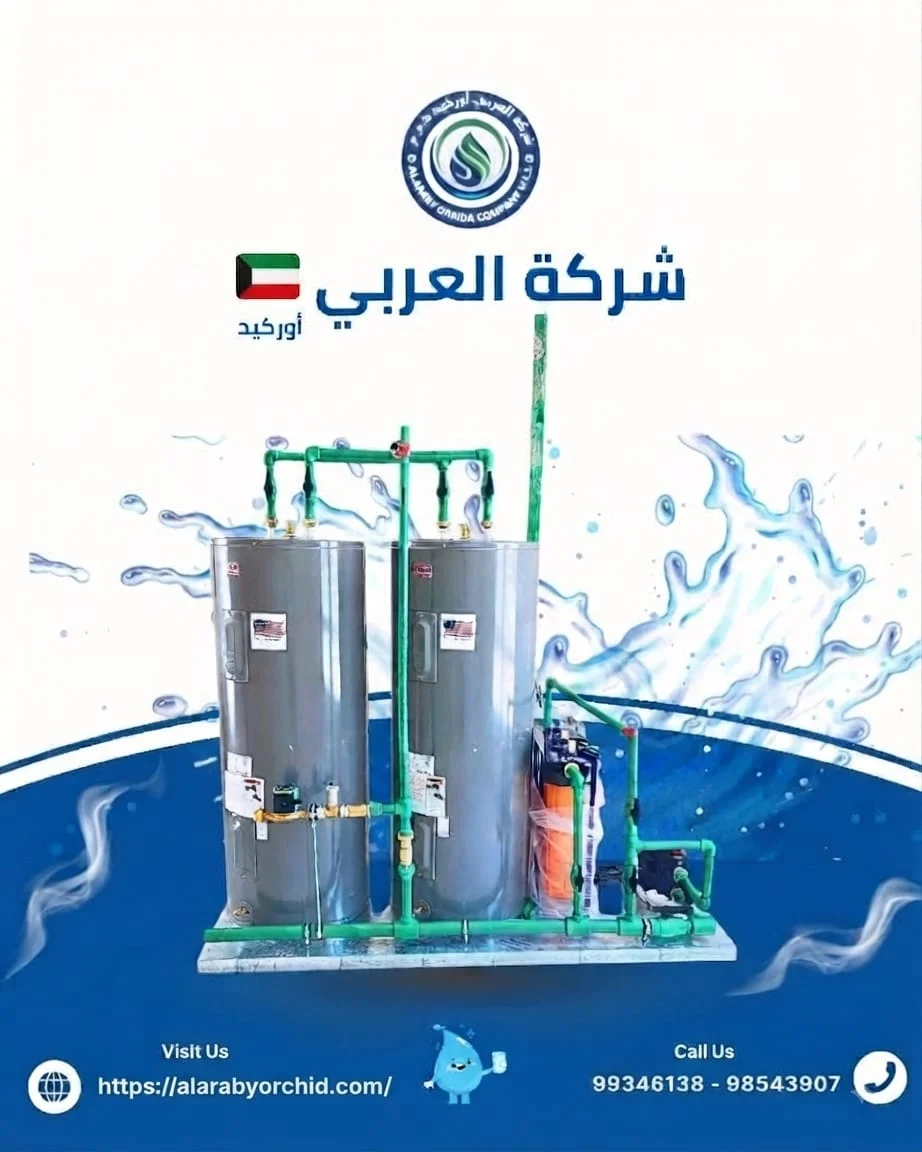
When the water starts hot and then you notice that the temperature suddenly drops while the central water heater is running, it does not necessarily mean the heater has simply “run out of hot water.” The pattern of the temperature drop itself provides useful diagnostic information. Does it happen when a second shower is opened? Does the temperature fall gradually or suddenly? Does it return when another faucet is closed? Does the problem affect the entire home or only one fixture? Water-heater service guidance identifies several possible causes of insufficient hot water, including a failed lower heating element, excessive demand, an undersized heater, very cold incoming water, and a damaged cold-water dip tube. A mixing valve can also cause temperature changes if it no longer balances hot and cold water correctly. The correct approach is therefore to diagnose the temperature path during actual use instead of replacing components by guesswork.
Sudden Drop in Water Temperature

A sudden drop in water temperature should first be evaluated according to when it happens because timing can be more useful than the temperature number itself. If the shower begins normally and stays hot for ten or fifteen minutes before gradually cooling, that pattern is different from water turning from hot to cool almost immediately when someone opens another faucet. The first condition points more strongly toward available hot-water volume, recovery rate, and the heater’s ability to reheat incoming cold water. The second directs attention toward pressure balance, mixing valves, or unwanted cold-water crossover.
In a storage water heater, every liter of hot water leaving from the upper part of the tank is replaced by incoming cold water. The cold-water inlet tube is designed to direct that water toward the lower part of the tank so the hottest water remains near the top for as long as possible. Water-heater manufacturers identify a short, broken, or missing dip tube as a possible cause of insufficient hot water. If the tube is damaged, incoming cold water can mix with the hot water near the top of the tank much sooner than intended, causing the delivered temperature to drop earlier.
In an electric heater using two heating elements, the lower element has an important role in reheating a large portion of the tank after hot water is used. Service guidance specifically identifies a failed lower heating element as a common cause of “not enough hot water.” In that situation, the heater may still provide very hot water at first because the upper portion of the tank has been heated, but once that layer is consumed, the user quickly reaches cooler water and feels as though the temperature “suddenly collapsed.”
Simultaneous household demand also matters. If one shower works perfectly but the temperature falls every time someone opens another shower or the kitchen faucet, do not immediately blame the thermostat. High-demand periods and a heater that is undersized for the actual load are both recognized causes of insufficient hot-water delivery. In that case, the system’s real capacity should be compared with demand rather than simply checking whether the heater turns on and off.
-
If the temperature drops after roughly the same number of minutes each time monitor the actual available hot-water volume and the heater’s recovery capability during use
-
If the drop appears immediately when another fixture is opened check increased flow demand and pressure balance before assuming the heating element has failed
-
If the heater provides an excellent initial burst of hot water and then loses temperature much sooner than before the lower heating element and cold-water dip tube should be inspected
-
If the problem began after replacing the heater or modifying the plumbing check the hot and cold connections because reversed connections are a recognized cause of insufficient hot water
-
Record how many minutes pass before the temperature begins to fall and how many fixtures are open because these two details can shorten the diagnostic process considerably
Hot Water Suddenly Becomes Cold
When hot water suddenly becomes cold instead of cooling gradually, the exact moment of the temperature change becomes very important. A storage heater usually produces a relatively gradual temperature decline as the hottest water is consumed and colder water enters the tank. A rapid change can instead indicate that the hot-to-cold mixing ratio changed suddenly, cold-water pressure overwhelmed the hot side, or there is a restriction affecting the hot-water path.
A thermostatic mixing valve is specifically designed to prevent this type of fluctuation. Its purpose is to maintain a stable mixed-water outlet temperature even when the temperature or pressure of the incoming hot and cold water changes. The internal thermostatic element automatically changes the proportion of hot and cold water to restore the selected outlet temperature. If mineral deposits interfere with movement, the thermostatic element fails, check valves malfunction, or operating pressures move outside the valve’s intended range, the outlet temperature can become unstable.
A practical example makes this easier to understand. You are taking a shower and the temperature is perfect. Someone opens another cold-water faucet or a second shower, and your water temperature immediately changes. If the heater was nowhere near the end of its stored hot-water supply and the problem consistently appears when another fixture opens, that points more strongly toward hydraulic pressure balance and mixing behavior than toward the tank losing all of its stored heat within one second.
Hot-water recirculation systems also introduce additional components. Check valves and the arrangement of the return line matter because unwanted reverse flow between the hot and cold sides can affect system temperature. Central mixing assemblies commonly use check valves on the cold-water and return connections to control water movement. If a check valve does not close properly, or flow begins moving in an unintended direction, the heater should not be diagnosed in isolation from the distribution system.
Sometimes the problem is even simpler: one shower mixer cartridge is worn and allows cold water to cross into the hot-water line. If every other faucet remains stable and only one shower fluctuates, the heater itself should not be opened first.
-
A sudden change from hot to cold points more strongly toward mixing and pressure behavior than a gradual decline caused by consuming stored hot water
-
If the temperature changes every time another fixture is opened identify which fixture triggers the problem because this helps locate the hydraulic imbalance
-
If only one bathroom is affected inspect the shower cartridge or local mixing valve before servicing the central heater
-
A central thermostatic mixing valve is designed to compensate for changes in inlet pressure and temperature so unstable outlet temperature is a reason to inspect and recalibrate it
-
Recirculation lines and check valves should be included in the diagnosis when the system uses hot-water recirculation because unwanted reverse flow can alter the hot-to-cold mixing ratio
Central Water Heater Temperature Fluctuates
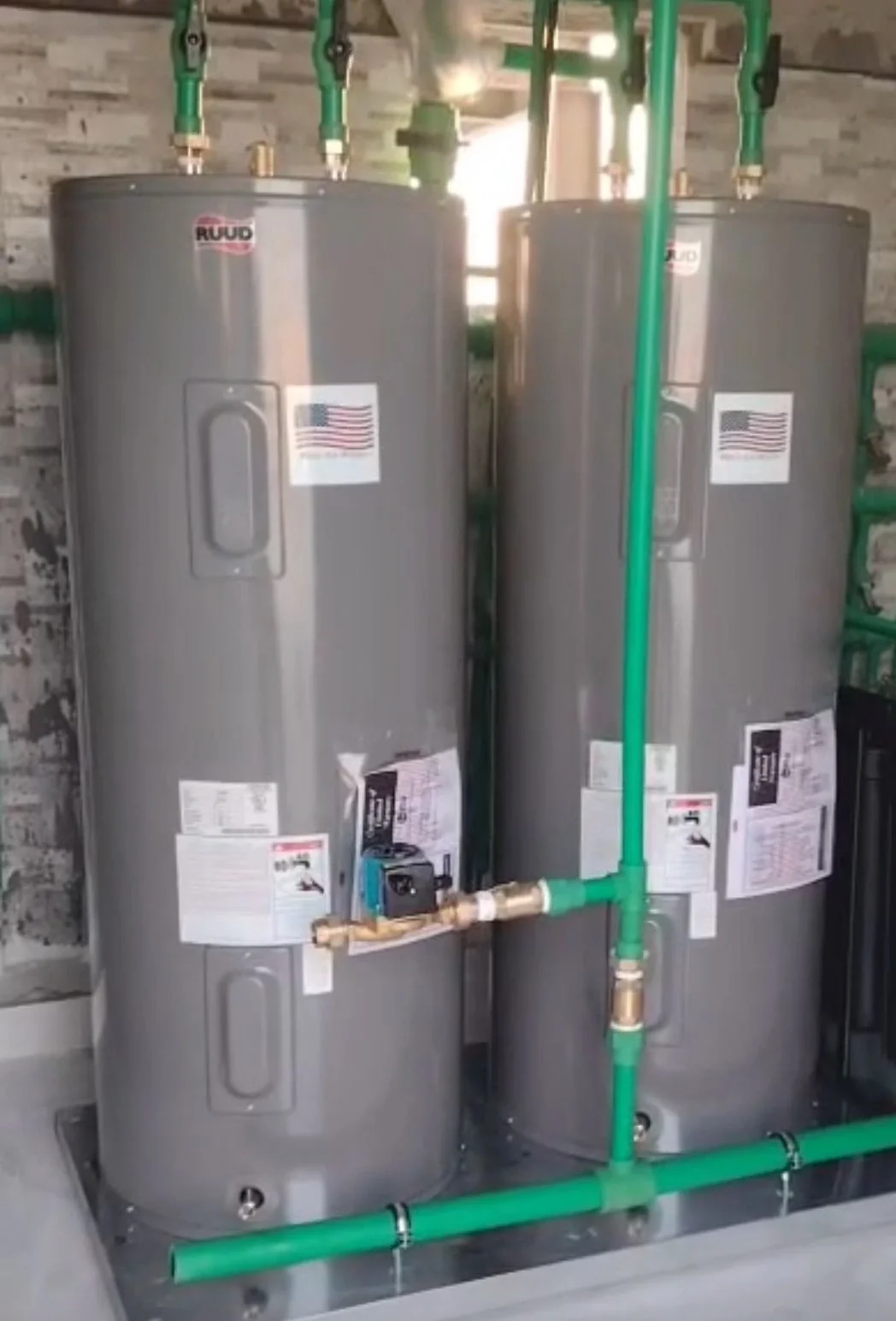
Central water heater temperature fluctuation means the water does not simply become cooler once. It may become hot, then cooler, then hot again during the same period of use. This pattern is different from ordinary depletion of the hot-water supply. If the temperature declines steadily toward cold, storage capacity and recovery become the main suspects. If the temperature repeatedly rises and falls, attention shifts toward heating cycles, mixing behavior, flow changes, and pressure changes.
The first step is separating tank temperature from delivered temperature. The water inside the tank can remain relatively stable while the mixing valve produces a fluctuating outlet temperature. A properly operating thermostatic mixing valve is designed to compensate for changing inlet temperature and pressure and maintain the selected outlet temperature. Therefore, if tank temperature remains stable while faucet temperature fluctuates as water demand changes, the mixing valve and hot/cold supply paths become central parts of the diagnosis.
The second possibility is an electric heating element that is not working correctly or an electrical connection that is loose. Service manuals identify loose wire connections and an inoperative heating element as causes of insufficient hot water and slow recovery. If the lower element does not operate correctly or electrical contact is intermittent, the heater may maintain a hot upper layer for a while but fail to replace the heat being used during longer demand.
The third possibility is mineral scale or sediment buildup on the heating elements. Manufacturer service guidance also identifies sediment or scale accumulation on heating elements as a cause of slow hot-water recovery. Scale does not necessarily make the temperature change instantly, but it reduces heat-transfer efficiency and makes the system slower to replace the energy being used, particularly during heavy or continuous demand.
The fourth possibility is a change in incoming water temperature. Very cold inlet water is also a recognized cause of insufficient hot water. The larger the difference between the stored hot-water temperature and the temperature of incoming cold water, the more energy and time are required to bring that incoming water back up to temperature. This is why the same household can sometimes notice seasonal differences or changes after a change in water source.
-
If the temperature repeatedly rises and falls instead of simply cooling once monitor the mixing valve heating cycles and pressure changes during use
-
If tank temperature remains stable while faucet temperature fluctuates the fault is more likely in mixing or distribution than in heat loss from the tank itself
-
Loose electrical connections and failed elements can reduce recovery capacity even when the heater still provides hot water at the beginning
-
Scale on the heating elements can slow heat transfer and becomes more noticeable during continuous demand or when several fixtures are used
-
Incoming cold-water temperature is part of the equation because the heater requires more energy and time to reheat colder replacement water
Weak Hot-Water Temperature During Use
Weak hot-water temperature during use often reveals the difference between “storage capacity” and “recovery capacity.” A heater can have a large tank but still lose delivered temperature if hot water is being consumed faster than the heating elements can replace the energy being removed.
The First-Hour Rating, or FHR, is used to estimate the maximum amount of hot water a storage heater can provide during an hour that begins with the tank fully heated. This rating depends on both storage volume and recovery rate. That distinction is important because saying, “I have an 80-gallon heater, so it should never cool down,” is not technically correct. Tank volume alone does not describe how much hot water the system can deliver during a heavy-use hour.
For example, one moderately long shower may be completely normal, while two showers operating together along with kitchen use can increase mixed-water demand significantly. If total demand exceeds what the heater was designed to deliver, cold water enters the tank faster and the temperature available to users begins to fall.
There is also an important difference between this situation and an article about choosing heater capacity. Here, we should not immediately assume that the heater is undersized. First establish whether the system performed normally in the past. If the same household and the same usage pattern produced stable hot water for years but now the temperature falls during the same level of demand, a component fault or performance deterioration is more likely than an original sizing error.
Factors that can directly reduce recovery include a failed lower element, a heating element covered in mineral scale, or a loose electrical connection. These are all recognized causes of slow hot-water recovery or insufficient hot-water delivery.
-
Do not judge heater adequacy from tank gallons alone because First-Hour Rating combines storage capacity and recovery rate
-
If one shower works perfectly and temperature falls only when several fixtures operate compare actual demand with system capacity before replacing components
-
If the same historical usage now produces weaker hot water inspect the heating elements wiring and scale before deciding the heater is too small
-
Gradual temperature weakening during a long draw is diagnostically different from an immediate change when another fixture opens
-
Recording how long the water remains hot and how many fixtures are running gives a clearer picture than simply saying the heater is not as good as before
Water Temperature Changes While the Heater Is Running
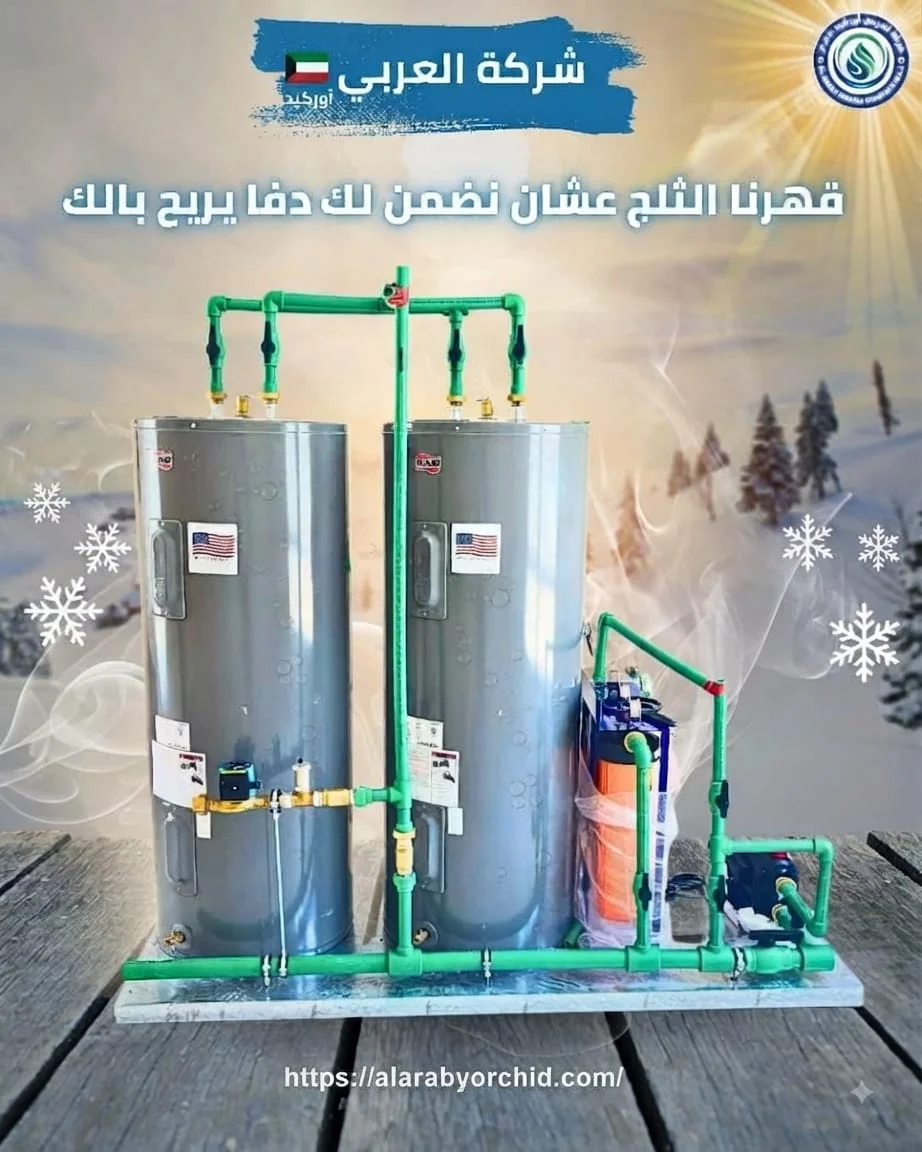
Water temperature changes while the heater is running can make the user think the moment the heating element turns on is causing the fluctuation, but in a storage heater the relationship is not always that direct. The heating element operates to replace lost energy, while faucet temperature also depends on where hot water is located inside the tank, the rate of water draw, incoming cold water, and the mixing system.
In many two-element electric water heaters, the control system operates the elements in a manufacturer-defined sequence rather than necessarily running both at the same time. If the lower element fails, the upper part of the tank may still provide hot water initially, but full recovery capacity becomes much weaker. This is why service manuals specifically list a failed lower element as a cause of insufficient hot water.
If you notice that the heater begins a new heating cycle and the temperature improves after a short period, that observation is useful but does not automatically prove the thermostat is faulty. A technician should compare actual water temperature with element current draw and thermostat behavior according to the exact heater design.
If the system includes a thermostatic mixing valve, changes in the raw hot-water temperature leaving the tank should normally be compensated for within the valve’s operating range. The thermostatic element inside the valve automatically changes the hot and cold proportions to restore the selected outlet temperature. If that function becomes weak, users may notice the heater’s normal heating cycle much more clearly at the faucet than they should.
The hot-water return line can also affect how the system feels at the start of use and afterward. Recirculation is intended to keep hot water closer to distant fixtures, but it does not replace the heater’s actual capacity. Any imbalance or check-valve problem in the recirculation circuit should be evaluated as part of the entire system.
-
It is normal for the heating element to run while water is being used but that alone should not create severe temperature swings at the faucet
-
A failed lower element reduces recovery of the larger tank volume even when the upper portion still provides strong initial heat
-
Improved temperature after a heating cycle provides useful recovery information but does not identify the failed component without testing
-
A properly operating mixing valve compensates for changes in hot-water inlet temperature within its operating range so visible fluctuations at the faucet justify inspection
-
A recirculation system improves hot-water arrival time but cannot compensate for a heater that has lost heating or recovery capacity
Causes of Hot-Water Temperature Drop
Causes of hot-water temperature drop are easier to understand when grouped by the part of the system involved instead of being presented as a random list.
The first category is demand exceeding system capacity. High-demand periods and an undersized heater are both recognized causes of insufficient hot water. If the household has grown, usage patterns have changed, or multiple showers now operate at the same time, the heater may be mechanically healthy while actual demand has increased beyond its design.
The second category is partial loss of heating capacity. A failed lower element, loose electrical connection, heating element with reduced output, or heavy mineral scale can all reduce recovery speed. The heater may still operate, but not with the same performance it previously had.
The third category is premature cold-water mixing inside the tank. A damaged or shortened dip tube can allow incoming cold water to affect the hot-water zone sooner than intended. Water-heater manufacturers recognize dip-tube problems as a cause of insufficient hot water.
The fourth category is mixing problems outside the tank. A dirty, incorrectly adjusted, or malfunctioning thermostatic mixing valve can produce water that is cooler than expected even when the tank itself remains hot.
The fifth category is cold-water crossover somewhere in the plumbing system. If there is a cross-connection between hot and cold lines, cold-water pressure can push into the hot-water line and lower temperature at several fixtures. This condition should be confirmed by isolation and comparison tests rather than by replacing the heater.
The sixth category is very cold incoming water. Lower feed-water temperature increases the heating load and extends the time required for the heater to recover.
-
High demand causes a natural temperature drop when consumption exceeds storage and recovery capacity even when every component is working
-
A weak or failed heating element can leave the heater running but with substantially lower capacity which is one of the most misleading scenarios for homeowners
-
A damaged cold-water dip tube causes incoming cold water to mix with the hot layer inside the tank sooner than intended
-
A mixing valve can reduce outlet temperature without the tank temperature itself being low
-
Cold-water crossover through a mixer or check valve requires plumbing-network diagnosis rather than inspection of the heater alone
-
Colder incoming water increases the recovery time and becomes more noticeable during continuous demand
Water Heater Loses Heat Quickly
When someone says the water heater loses heat quickly, it is important to distinguish between the tank losing heat while standing unused and hot water disappearing during active use. If the heater is fully hot at night and becomes cold by morning without anyone using water, insulation, heat loss, or a hot-water leak should be considered. If temperature collapses only while faucets are open, the issue is more likely related to delivery and recovery than ordinary standby heat loss.
A slow leak in the hot-water piping can reduce available hot water. Continuous loss of hot water means the heater must keep replacing and reheating water even when no visible faucet is open, reducing the amount of ready hot water available when someone starts a shower.
A hot-water recirculation loop can also increase heat loss if piping is long or poorly insulated. This does not mean recirculation is a bad system. It means it must be properly balanced and insulated so convenience does not create an unnecessary continuous thermal load on the heater.
If the issue occurs only during water use, observe how long temperature remains stable. First-Hour Rating combines storage volume and recovery rate, so a complaint that the heater “loses heat quickly” may actually mean the rate of draw is greater than what the system can deliver during that period.
If the heater previously supplied hot water for much longer and now becomes cool in half the time with the same household demand, inspect the lower element, scale accumulation, dip tube, and possible leakage before recommending a larger heater.
It is also important not to simply raise the thermostat as a quick fix. A higher storage temperature may temporarily provide more mixed hot water, but it will not repair a failed element, damaged dip tube, or another underlying fault and may increase scalding risk if the system is not designed for safe mixing.
-
Distinguish between a tank that loses heat without use and one that becomes cooler only while water is being drawn because the diagnostic path is different
-
A slow hot-water leak can consume part of the heater’s available capacity even when no faucet appears to be open
-
A recirculation loop needs proper balancing and insulation so it does not create continuous unnecessary heat loss
-
If hot-water duration suddenly becomes much shorter than the heater’s historical performance inspect faults before blaming tank size
-
Raising thermostat temperature to hide a recovery or capacity problem is not a repair and can increase the risk of excessively hot water
Hot Water Temperature Is Not Stable
Hot water temperature that is not stable can be caused by the heater, the mixer, or the plumbing network. The strongest way to separate these possibilities is to compare several fixtures. If the kitchen and all bathrooms fluctuate at the same time, the cause is more likely central. If only one shower changes while all other fixtures remain stable, the problem is more likely local to that shower.
A thermostatic mixing valve is specifically designed to maintain a stable outlet temperature despite changes in hot- and cold-water inlet pressure and temperature. If the system uses such a valve and the whole house still experiences unstable temperatures, the technician should inspect the thermostatic element, internal valves, flow paths, and deposits instead of assuming the tank itself is losing heat every few minutes.
Pressure imbalance also matters. If the cold-water line has substantially higher pressure than the hot-water side because of a filter, valve, restriction, or pipe issue on the hot line, opening and closing fixtures can alter the mixing ratio more than expected. This is why hot- and cold-water pressure and flow should be compared, especially when fluctuation appears during simultaneous fixture use.
If hot water remains unstable even at the nearest faucet to the heater with no other fixtures operating, diagnosis should return to the heater controls and heating elements. A technician can monitor outlet temperature under a steady draw and determine whether temperature declines gradually or fluctuates in waves.
Mineral deposits inside the mixing valve can also restrict internal movement or water flow. The fact that mixing-valve manufacturers design components specifically to reduce scale effects on moving parts confirms that mineral buildup is a known factor in long-term valve performance.
-
If every fixture in the home changes temperature together investigate a central fault involving the tank mixing system or overall pressure balance
-
If only one fixture is unstable do not replace a heating element before checking the local mixer
-
A large pressure difference between hot and cold lines can change the mixing ratio as faucets are opened and closed
-
A thermostatic mixing valve is designed to maintain a stable outlet temperature so failure to do so may require cleaning inspection or recalibration
-
Recording the temperature pattern over several minutes provides more diagnostic value than one temperature reading taken at the beginning
Diagnosing Changes in Water Heater Temperature
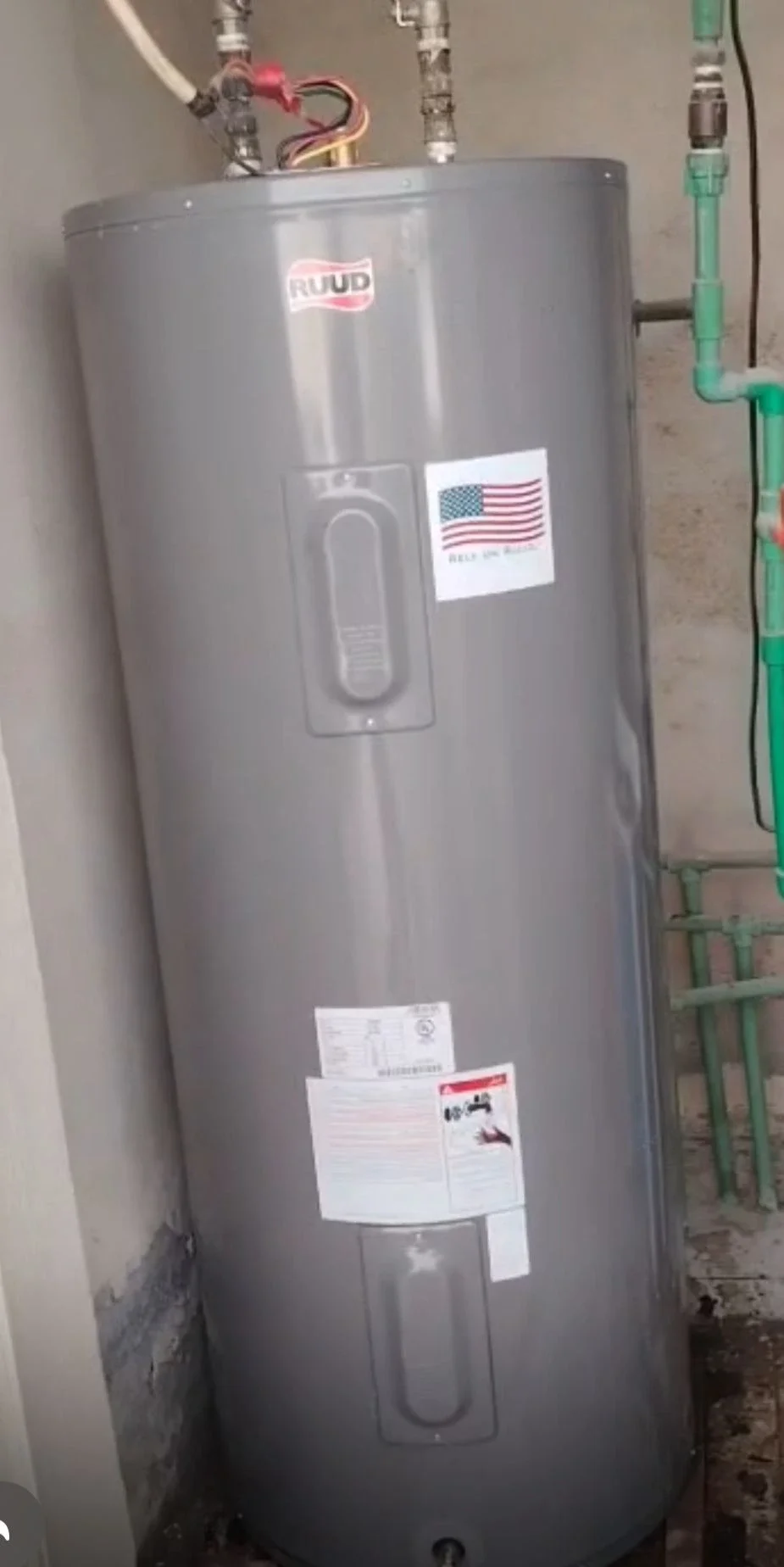
Diagnosing changes in water heater temperature is most effective when treated as a dynamic test. It is not enough to measure the water while the heater is sitting idle and conclude that everything is normal because the problem appears during use. The system has to be observed while water is actively flowing.
The first step is to allow the tank to heat normally without heavy use immediately beforehand. Then measure water temperature at the nearest appropriate fixture and record the starting temperature.
The second step is to open one fixture at a steady flow rate and record the temperature every few minutes. If temperature remains stable for a while and then gradually falls, evaluate available hot-water capacity, recovery rate, and the lower heating element.
The third step is to repeat the test with a second fixture operating. If temperature collapses immediately when additional demand is added and then returns after the second fixture is closed, investigate system capacity, pressure balance, and mixing behavior.
The fourth step is to compare temperature before and after the mixing valve when the system design allows a qualified technician to do this safely. If water before the valve remains stable while the mixed outlet fluctuates, the fault is probably outside the storage tank.
The fifth step is electrical testing of the heating elements and connections. Service manuals for insufficient-hot-water conditions recommend checking the elements and list a failed lower element, electrical connections, scale buildup, high demand, and dip-tube problems among the possible causes.
The sixth step is checking the cold-water dip tube and connection arrangement if the heating elements test correctly but hot-water duration is still much shorter than expected.
The seventh step is testing for a hot-to-cold cross-connection by isolating relevant fixtures and observing water movement, particularly when one mixer appears to trigger the problem.
Finally, compare the test results with the heater’s rated performance, including First-Hour Rating, because FHR provides a better estimate of real hot-water delivery during the first hour than nominal tank capacity alone.
-
Test the system while water is being drawn because an unloaded temperature measurement may not reveal weak recovery
-
Record starting temperature and the exact time at which it begins falling instead of only saying the water gets cold quickly
-
Test one fixture and then two fixtures to determine whether the problem is connected to demand or pressure changes
-
Comparing temperature before and after the mixing valve helps separate a tank problem from a distribution problem
-
Inspect the lower element scale wiring and dip tube before recommending heater replacement when the system previously performed well
-
Compare the results with the model’s First-Hour Rating rather than judging the heater only from its nominal tank size
Solving a Sudden Drop in Hot-Water Temperature
The correct solution for a sudden drop in hot-water temperature depends entirely on what the diagnostic testing confirms. There is no single replacement part that solves every case.
If demand exceeds the heater’s capacity, the solution may involve managing simultaneous usage or selecting a heater with greater storage and recovery capacity if household demand has genuinely changed. High demand and undersized equipment are both recognized causes of insufficient hot water.
If the lower heating element has failed, it should be replaced with the correct model after safe electrical testing confirms the fault. If scale buildup is slowing heat transfer, the technician should evaluate cleaning, descaling, or element replacement according to the condition of the heater. Scale and sediment are recognized causes of slow hot-water recovery.
If the cold-water dip tube is cracked, shortened, or otherwise damaged, it should be replaced so incoming cold water is directed to the correct region of the tank instead of mixing immediately with the hottest water.
If the thermostatic mixing valve is causing unstable temperature, its setting, internal flow passages, thermostatic element, and check valves should be inspected. The valve may require cleaning, servicing, adjustment, or replacement depending on its condition.
If the problem is a cold-water cross-connection through a mixer or check valve, the crossover path must be repaired. Replacing the water heater will not solve a plumbing-network crossover.
If there is a hot-water leak, repair the leak first so the heater does not continuously reheat water being lost from the system.
Al Arabi Orchid provides installation and maintenance services for central American-style water heaters in Kuwait and works with brands including Ruud, Bradford White, A. O. Smith, American, Rheem, and Richmond. The contact number is 99346138.
-
If demand exceeds heater capacity address system capacity or usage patterns instead of replacing a good thermostat
-
If the lower heating element has failed repair it because the heater may still provide strong initial heat while losing a large part of its total recovery capability
-
If scale has slowed recovery treat the buildup instead of increasing temperature to compensate for weak performance
-
If the cold-water dip tube is damaged replace it so proper thermal separation inside the tank can be restored
-
If the mixing valve is causing temperature fluctuation repair the mixing system instead of opening the tank and replacing unrelated parts
-
If cold water is crossing into the hot line through a mixer or check valve repair the plumbing path because the fault is outside the heater
-
After the repair repeat the same water-draw test that previously produced the problem to confirm that temperature now remains stable
Conclusion
Why does hot-water temperature suddenly drop while the central water heater is operating? Because the temperature delivered during use depends on much more than whether the heater is simply “on.” It depends on stored thermal energy, recovery rate, heating elements, incoming water temperature, the dip tube, rate of demand, the mixing valve, pressure balance, and the relationship between the hot- and cold-water networks.
Common causes of insufficient hot water include a failed lower heating element, high demand, an undersized heater, very cold incoming water, reversed plumbing connections, and a damaged dip tube, while slow recovery can also result from scale accumulation, heating-element problems, and electrical connections.
Tank volume is also not the only important number. First-Hour Rating estimates approximately how much hot water a storage heater can deliver during the first hour when it begins fully heated, and this figure depends on both tank capacity and recovery rate. A large heater can therefore perform poorly during heavy demand if part of its heating system is no longer operating at full capacity.
If temperature changes immediately when faucets are opened or closed, do not forget the thermostatic mixing valve. Its job is specifically to maintain a stable outlet temperature despite changes in hot- and cold-water inlet pressure and temperature. A malfunctioning or restricted valve can make it appear as though the heater itself is unstable.
To request a central water-heater inspection from Al Arabi Orchid, contact 99346138 and provide four pieces of information from the beginning: after how many minutes the temperature begins to fall, whether the drop occurs with one fixture or several fixtures, whether the temperature returns when a second fixture is closed, and whether the problem affects the entire home or only one bathroom. Ask for an inspection covering the lower heating element, recovery rate, cold-water dip tube, thermostatic mixing valve, hot-water leaks, and hot/cold crossover before approving replacement of any component.
Frequently Asked Questions
Why does the water start hot and then become cold after a few minutes?
If it happens after roughly the same amount of time on each occasion, the available hot-water volume may be getting used faster than the heater can recover. Possible causes include high demand, a failed lower element, scale that slows recovery, or a damaged cold-water dip tube.
Can a failed lower heating element still allow hot water at first?
Yes. In some two-element electric water heaters, the upper section of the tank can remain hot while the lower element no longer performs its job. You therefore receive hot water initially, but the temperature falls much sooner than normal.
Why does the water become cooler when someone opens another shower?
Usually because total demand suddenly increases or because the pressure balance between hot and cold water changes. If the problem appears immediately when the second fixture opens and disappears immediately when it closes, investigate system demand, the mixing valve, and pressure balance instead of assuming the tank lost all of its heat instantly.
Does tank size alone determine how long hot water lasts?
No. Storage volume matters, but recovery rate matters as well. First-Hour Rating is based on both stored volume and the heater’s ability to reheat replacement water.
Can scale make the hot-water temperature drop faster?
Yes, it can contribute, especially when mineral deposits build up on heating elements and reduce heat-transfer efficiency and recovery speed. Scale accumulation is a recognized cause of slow hot-water recovery.
What does the cold-water dip tube do inside the heater?
The dip tube directs incoming cold water to the intended lower region of the tank instead of allowing it to mix immediately with the hottest water near the top. A damaged or shortened dip tube can reduce the usable amount of hot water.
Can the mixing valve cause unstable water temperature?
Yes. If the system uses a central thermostatic mixing valve and the valve is poorly adjusted, restricted, or internally damaged, delivered temperature can fluctuate. A properly operating valve is designed to maintain a stable outlet temperature despite changes in inlet pressure and temperature.
How do I know whether the problem is the heater or the shower mixer?
If the entire home changes temperature at the same time, the problem is more likely related to the heater, central mixing system, or plumbing network. If only one bathroom fluctuates while the kitchen and other bathrooms remain stable, inspect that local mixer first.
Will increasing the thermostat temperature fix a sudden temperature drop?
Not if the real cause is a failed heating element, damaged dip tube, scale buildup, or faulty mixing valve. Raising the temperature can temporarily hide the problem and increase storage temperature without correcting the actual fault.
How do I request an inspection for sudden hot-water temperature loss from Al Arabi Orchid?
Contact 99346138 and explain when the problem begins, how long the water remains hot, and whether temperature changes when another fixture is opened. Request inspection of the heating elements, recovery rate, cold-water dip tube, mixing valve, hot-water leaks, and hot/cold pressure balance so the confirmed cause can be repaired instead of replacing parts by trial and error.