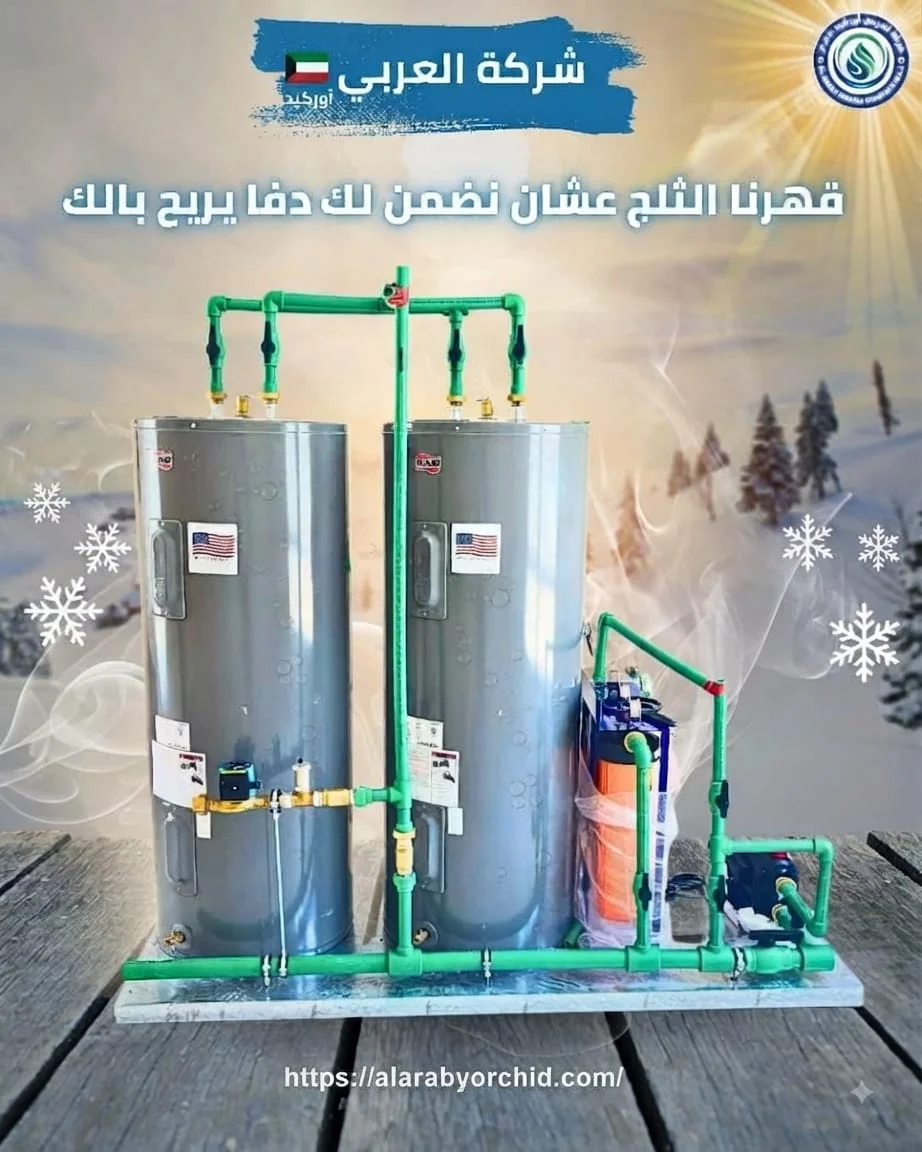
Deciding whether to replace a central water heater should not begin with the age of the unit or with the first fault that appears. An older heater can still be worth repairing when the tank is healthy and the problem is limited to one clearly identified component. On the other hand, a relatively newer heater may be more economical to replace if the tank body has started leaking, faults keep returning, and maintenance costs continue to rise. The right comparison should consider the condition of the tank, heating elements, thermostat, safety valve, connections, repair history, and whether the current heater still meets the household’s hot-water demand. The goal is not to keep the old heater at any cost or rush into buying a new one, but to choose the option that provides more reliable operation and a more sensible long-term cost.
Central heater replacement in Kuwait

A decision about central heater replacement in Kuwait should begin with inspecting the existing unit before discussing the new model. The first thing to identify is the problem that made the customer consider replacement. Is the heater leaking? Does hot water run out much faster than before? Do the heating elements keep failing? Is the issue a simple electrical fault or something related to the tank itself?
If the problem is a replaceable component such as a heating element, thermostat, or valve while the tank remains in good condition, repair can be completely reasonable. There is little point in removing the entire system and paying for a new one when the main body of the heater is still sound and the repair cost is sensible.
The situation changes when the tank itself begins leaking, visible deterioration appears, or several major components start requiring service within short periods. At that point, the question is no longer about repairing one isolated fault. It becomes a question of whether the heater has entered a stage of repeated failures.
The current household requirement should also be compared with the heater’s capacity. The old heater may have been perfectly suitable ten years ago, but the number of residents or bathrooms may have increased and hot water may now run out quickly even when the heater is functioning normally. Repairing the unit will not increase its original storage capacity.
The installation location matters as well. If the old heater is crowded into a difficult service area, replacement can be used as an opportunity to improve the arrangement of the connections and future maintenance access rather than simply recreating the same difficult installation.
Most importantly, replacement should not happen just because the heater is old. The old unit should be replaced when its condition and the cost of continuing to keep it no longer make sense compared with a suitable new system.
-
Heater replacement becomes more reasonable when the main problem is larger than one simple consumable part and repeated repair can no longer be justified
-
Tank-body condition matters more than age alone because an older heater with a sound tank may be a better repair candidate than a newer unit with internal leakage
-
An increase in household size or bathroom use can make the existing heater unsuitable even when there is no obvious mechanical fault
-
Replacement is also an opportunity to improve service access and plumbing layout instead of copying the same installation problems from the old unit
-
The better decision compares the current heater condition and expected future cost with the full cost of a suitable replacement rather than only today’s repair bill
Replacing an old central heater
Replacing an old central heater should not depend on the number of years alone because operating conditions differ from one home to another. A heater working under suitable pressure and receiving regular maintenance is not in the same condition as a unit exposed to heavy sediment, unsuitable pressure, repeated leakage, and years of neglect.
When inspecting an older heater, the tank body is one of the first things to evaluate. If there is no leakage or significant deterioration and the problem is limited to a replaceable component, keeping the heater may still make sense. But if the tank body itself has begun to lose integrity, spending heavily on other parts is usually much harder to justify.
The repair history should then be reviewed. If this is the first real fault after years of service, that is very different from a heater that needs another part every few months. Frequent repairs can indicate that the equipment is wearing as a complete system rather than suffering from one isolated failure.
It is also important to look at how the heater performed before the latest fault. Was it supplying enough hot water? Was heating time reasonable for the unit? Was the temperature stable? If the heater no longer meets household demand, restoring it to its previous condition may still leave the customer dissatisfied.
Spare-part availability also belongs in the calculation. A very old heater with difficult-to-source components or a dependence on unsuitable substitute parts becomes less attractive to maintain. A recognized model with readily available parts and one limited fault can be a much stronger repair candidate.
Reliability matters too. A heater that repeatedly trips, leaks, or needs constant attention becomes a burden even if each individual repair is not particularly expensive.
Replacing the old unit becomes a stronger decision when several factors appear together: a tired tank, repeated failures, insufficient capacity, and increasing maintenance cost.
-
Years of service are useful information but do not determine the replacement decision without inspecting the tank and the rest of the heater
-
A heater experiencing its first significant repair after long service is very different from one with a chain of closely spaced faults
-
Performance before the failure matters because repairing a heater that was already undersized does not solve the capacity problem
-
Difficulty finding correctly matched spare parts reduces the value of continuing to invest in a very old model
-
Everyday reliability should be included in the decision because repeated breakdowns create inconvenience and downtime in addition to repair cost
Repair or replace the old heater
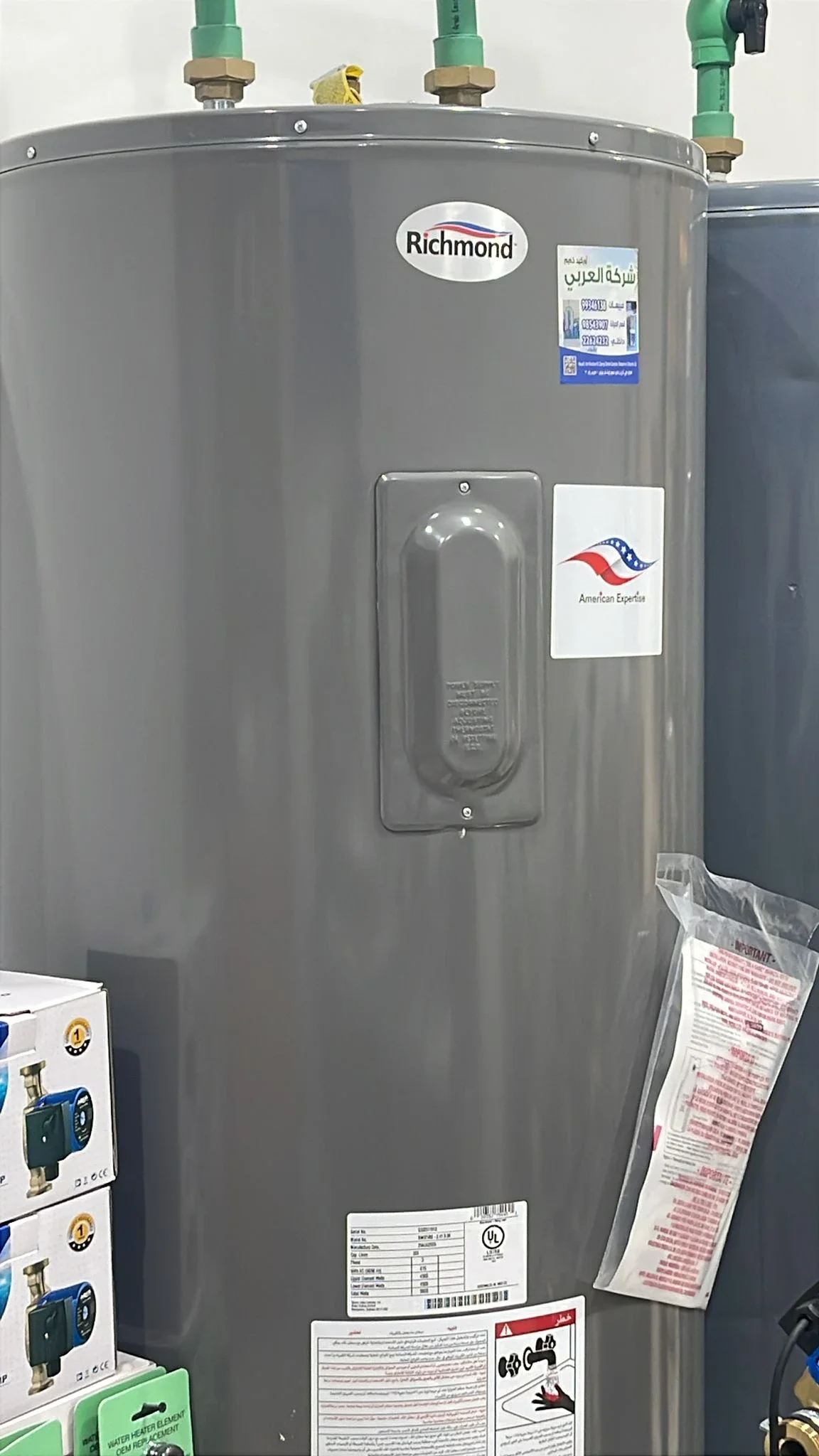
The question repair or replace the old heater becomes easier when you think of the system in two parts: serviceable components and the tank body that must remain structurally sound. Heating elements, thermostats, certain valves, and connections can often be replaced when necessary, but a tank with serious structural damage changes the calculation completely.
If the heater is not heating and inspection shows that only one heating element has failed while the rest of the unit is in good condition, repair is usually logical. The same applies when unstable temperature is caused by a clearly faulty thermostat. There is no reason to replace the complete tank immediately.
However, if there is leakage from the tank body together with corrosion or several major faults, small repairs do not restore the heater to a new condition. One repair may stop the problem today while another fault appears later.
It is also useful to calculate how much has already been spent during the previous year or two. Customers sometimes say, “Every repair is small,” but after adding four or five service visits together, the total can become surprisingly high. Looking at each invoice separately can hide the true cost.
Another important question is whether the repair will restore performance that still matches the household’s needs. If the heater’s capacity has become too small for the family, even a perfect repair will not prevent hot water from running out too quickly.
The difference between a limited repair warranty and starting again with a new unit that may include a separate product warranty also has value. This point does not decide the issue by itself, but it belongs in the overall comparison.
The decision should not be emotional. You should not continue repairing the heater forever simply because you are used to it, and you should not replace it simply because newer models exist. Look at the condition, cost, and actual household need.
-
Repairing one heating element or thermostat in a heater with a sound tank is completely different from trying to keep a unit with structural tank damage
-
Adding previous service costs together reveals whether repair is still economical or has become a continuing series of small expenses
-
Repair can restore the heater’s original performance but cannot increase its capacity if family demand has grown
-
Repair warranty and new-unit warranty provide different kinds of value and should be considered in the long-term comparison
-
The right decision depends on tank condition repair history and current household need rather than age or personal impression alone
Replacing a damaged central heater
Replacing a damaged central heater becomes easier to justify once the word damaged is defined properly. Not every heater that stops heating should be considered completely damaged because the fault may still be limited to a replaceable component. Replacement becomes more appropriate when damage involves the tank itself, several major components, or a condition that makes continued operation less reliable.
Leakage from the tank body is one of the most important warning signs. First, it should be confirmed that the water is genuinely coming from the tank rather than from a connection above it and running down the outside. Once tank-body leakage is confirmed, the situation is very different from a simple leaking fitting.
Severe deterioration around important areas should also be evaluated carefully. Not every external color change means the heater has reached the end of its life, but corrosion associated with leakage or visible weakening deserves serious attention.
If heating elements, thermostats, connections, and the safety valve all start requiring repairs within short periods, the economics of keeping the complete system should be reviewed.
If the heater also suffers repeated electrical tripping, leakage, and temperature problems and each symptom is repaired separately without finding the underlying cause, the cycle can continue. Before installing a replacement, any external cause such as unsuitable water pressure or poor installation should be identified so the same conditions do not damage the new heater.
Choosing the replacement should involve more than buying the nearest unit with a similar physical size. Capacity, installation space, plumbing layout, network pressure, and maintenance access should all be reviewed.
Successful replacement therefore means more than removing the damaged heater. It means understanding, as far as possible, why the old one failed and making sure the replacement suits the current household use.
-
Confirmed leakage from the tank body leads to a very different decision from a leaking connection or valve that can be replaced
-
Several major faults occurring within short periods increase the logic of replacement even when each individual problem is technically repairable
-
External causes such as unsuitable pressure or poor plumbing conditions should be checked before the replacement is installed
-
The new capacity should be selected according to current household demand rather than simply matching the physical size of the old heater
-
Replacement provides greater value when it solves the reason for poor reliability rather than simply exchanging one metal tank for another
Cost of replacing a central heater
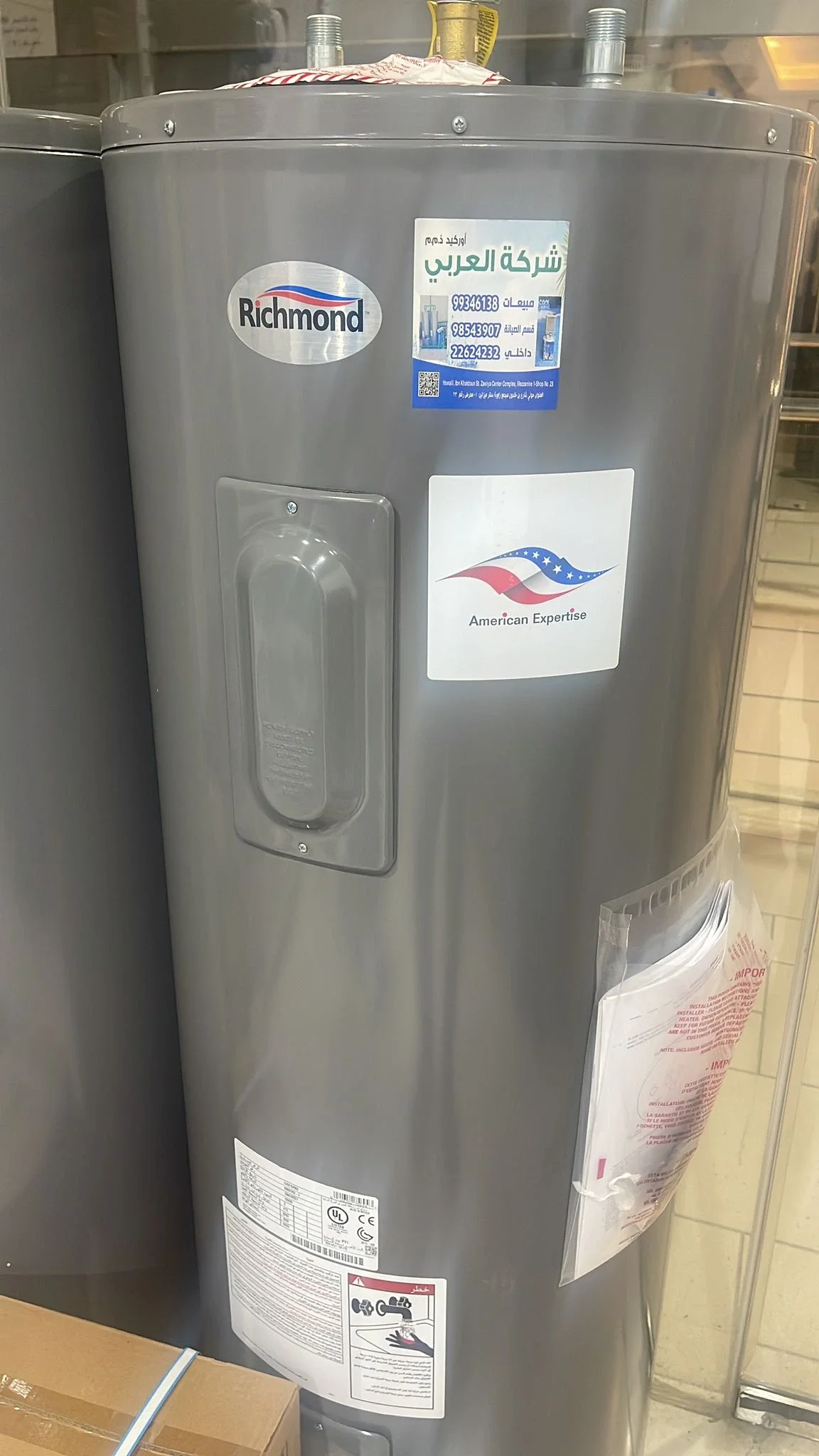
The cost of replacing a central heater cannot be represented by one fixed price because the total consists of several parts. There is the price of the new heater and its capacity, the labor for removing the old unit and installing the new one, and any connections, valves, or site modifications required.
The first factor is capacity. A heater serving a small household is not the same as one serving a villa with several bathrooms. A larger capacity can change both the equipment price and the practical requirements for transport and installation.
The second factor is compatibility with existing connections. If the new heater can be installed in almost the same layout as the old one, the work is different from a job that requires moving connection points, modifying the base, or changing parts of the plumbing.
The third factor is the condition of existing valves and fittings. If older components remain suitable and healthy, there is no reason to replace everything automatically. However, visibly deteriorated or incompatible parts should be included in the real scope of work.
The fourth factor is access. A heater installed in a wide and easily accessible location is different from a large unit that must be removed from a rooftop, narrow corridor, or difficult service space.
The fifth factor is removal and handling of the old heater. Even after draining, a central heater remains large and heavy and should be dismantled and moved carefully without damaging the surrounding area.
For a fair comparison, do not compare only the price of a new heater with the price of one repair. Compare the complete replacement cost with the expected complete repair cost and consider the reliability and useful life each option may provide.
Without accurate information about the heater size, location, and installation condition, giving one fixed price would be misleading. Proper pricing comes after identifying the equipment and the actual work required.
-
The price of the new heater is only one part of the total because removal installation connections and transport can change the final cost
-
Required household capacity affects the equipment price so heaters of different sizes should not be compared as though they are equivalent
-
Existing healthy fittings may reduce the scope of work while deteriorated parts should be replaced rather than automatically reused
-
Access to the installation area affects the time and effort required to remove the old unit and position the replacement
-
A fair financial comparison includes expected repair cost versus full replacement cost together with the expected service life of each option
Removing and installing a central heater
Removing and installing a central heater is not a process that should begin by simply taking a wrench to the first connection. The heater contains water, electrical connections, and inlet and outlet lines, so the procedure should begin with isolation and preparation before the unit is moved.
The first step is to disconnect the energy source using the proper isolation method, then isolate the water supply and drain the tank appropriately. Connections should not be removed while the heater is still full because the remaining weight and water can create problems during dismantling and transport.
The existing connections should then be documented and reviewed before removal, particularly if the replacement will use the same location. This helps identify which areas need modification instead of relying on memory after the old unit has already been taken out.
Water lines, fittings, and related components should be disconnected according to the system design, then the heater can be removed in a way that protects both the plumbing and surrounding area. The pipework should never be treated as a support structure for the heater.
Once the old unit is removed, the base and installation location should be inspected. If the base has corrosion, is uneven, or does not suit the dimensions of the new heater, it should be corrected before installation.
The replacement heater should be positioned with enough access for future maintenance and service of heating elements and valves. Installing the heater tightly against a wall or another piece of equipment may save space today but create a serious maintenance problem later.
Water connections, safety components, and valves should be installed according to the heater requirements, then the tank should be completely filled and air removed before the heating elements are energized. Energizing an electric element before the tank contains water can damage it.
The final stage is testing. Leakage, pressure behavior, heating, and controls should all be checked under operating conditions rather than considering the job complete as soon as the heater is physically connected.
-
Electrical and water isolation together with proper draining are essential before moving the old heater because they reduce risk during dismantling and transport
-
Reviewing and documenting the existing connections before removal helps identify required changes for the new heater
-
The base and installation area should be inspected before positioning the new unit so a new heater is not installed on top of an old problem
-
The tank must be filled correctly before heating elements are energized to prevent dry operation of the electrical components
-
Installation is complete only after leakage heating and control operation have been tested rather than when the unit is merely fixed in place
Central heater keeps breaking down
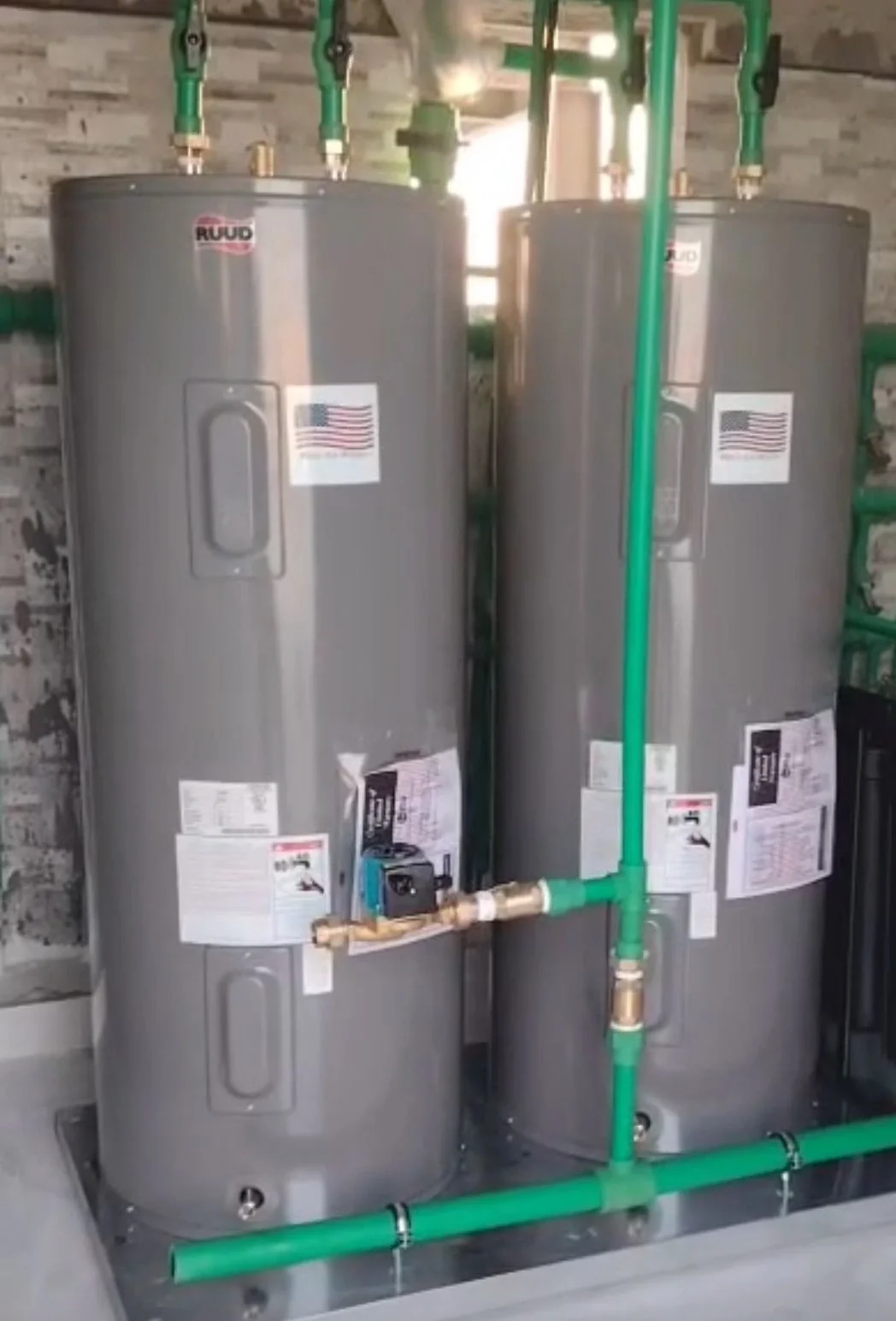
Having a central heater that keeps breaking down is one of the strongest reasons to stop and calculate the total cost instead of repeating the same repair cycle. However, before deciding on replacement, it is important to determine whether the failures are genuinely separate problems or whether they are all being caused by one unresolved issue.
For example, repeated heating-element failure may make the customer believe that the complete heater is poor, but operating conditions, sediment, and the way the heater is used should be reviewed before making that conclusion. The same applies when water repeatedly comes from the safety valve. Pressure conditions should be understood instead of changing the valve every time and stopping there.
A repair record becomes very useful in this situation. Write down what was replaced, when it was replaced, and how quickly the problem returned. The record may reveal that the same component is failing repeatedly or that a different part is failing each time. These are two very different patterns.
If a new visit and a new part are required every two or three months, the annual total may become significant even when every individual repair looks inexpensive. At that point, a correctly selected new heater may provide much better stability.
However, if the same fault returns quickly after every repair, the reason should be understood before buying a new heater. Installing a new unit under the same unsuitable pressure or other external condition can reproduce the same problem.
Frequent faults also reduce confidence in the equipment even while repair remains technically possible. Reliability has real value, especially when one central heater serves the entire household.
In the end, expected future repair cost should be compared with the price of a suitable replacement. The decision should be based on a clear failure pattern rather than simply frustration with the heater.
-
A repair history can show whether one component keeps failing or whether the heater is beginning to wear in several different areas
-
Repeated failure of the same part should lead to investigation of the root cause before replacement so the same problem does not affect the new heater
-
Adding the cost of service visits over one or two years provides a clearer picture than treating each repair as a separate small expense
-
Everyday reliability has value because frequent heater shutdowns remain disruptive even when individual repairs are not very expensive
-
Replacement becomes more convincing when there is a repeated fault pattern rising maintenance cost and generally poor equipment condition
When should I replace the central heater?
The question when should I replace the central heater is answered by several indicators rather than one fixed age. The first indicator is the condition of the tank. If leakage from the tank body is confirmed or clear damage reduces confidence in its integrity, replacement becomes a strong option.
The second indicator is repeated major faults. A heater that needs one heating element after many years is different from a system that needs an element, thermostat, safety valve, and several connection repairs within one year while performance remains unstable.
The third indicator is insufficient capacity. If the household has grown or water use has increased and hot water runs out quickly even though the heater is working normally, the issue is no longer a failed component. The capacity simply may no longer match demand.
The fourth indicator is high repair cost. If the current repair is expensive and the rest of the heater is already old and heavily worn, the repair amount should be compared directly with the price of a suitable replacement rather than looking at the failed component alone.
The fifth indicator is difficulty finding correctly matched parts. Using unsuitable substitutes simply because a model is old is not a good long-term approach.
The sixth indicator is loss of reliability. If the heater works briefly after repair and fails again or requires constant attention, time and inconvenience become part of the total cost.
On the other hand, an older heater that remains stable, has a sound tank, and only needs a simple repair should not be replaced just because of its age.
The best decision usually comes from several indicators appearing together rather than waiting for the heater to fail completely at an inconvenient time.
-
Confirmed tank-body leakage is one of the strongest signs that replacement may be more logical than continuing to repair surrounding components
-
Higher household hot-water demand can justify replacing a mechanically healthy heater when its original capacity is no longer sufficient
-
A large repair bill on a heater with a history of faults deserves a direct comparison with the cost of a suitable new unit
-
Difficulty obtaining correctly matched parts reduces the value of continuing to invest in an old model even when temporary repair remains possible
-
A stable older heater with a sound tank does not need replacement simply because of its age when there is no clear technical or economic reason
Removing the old heater
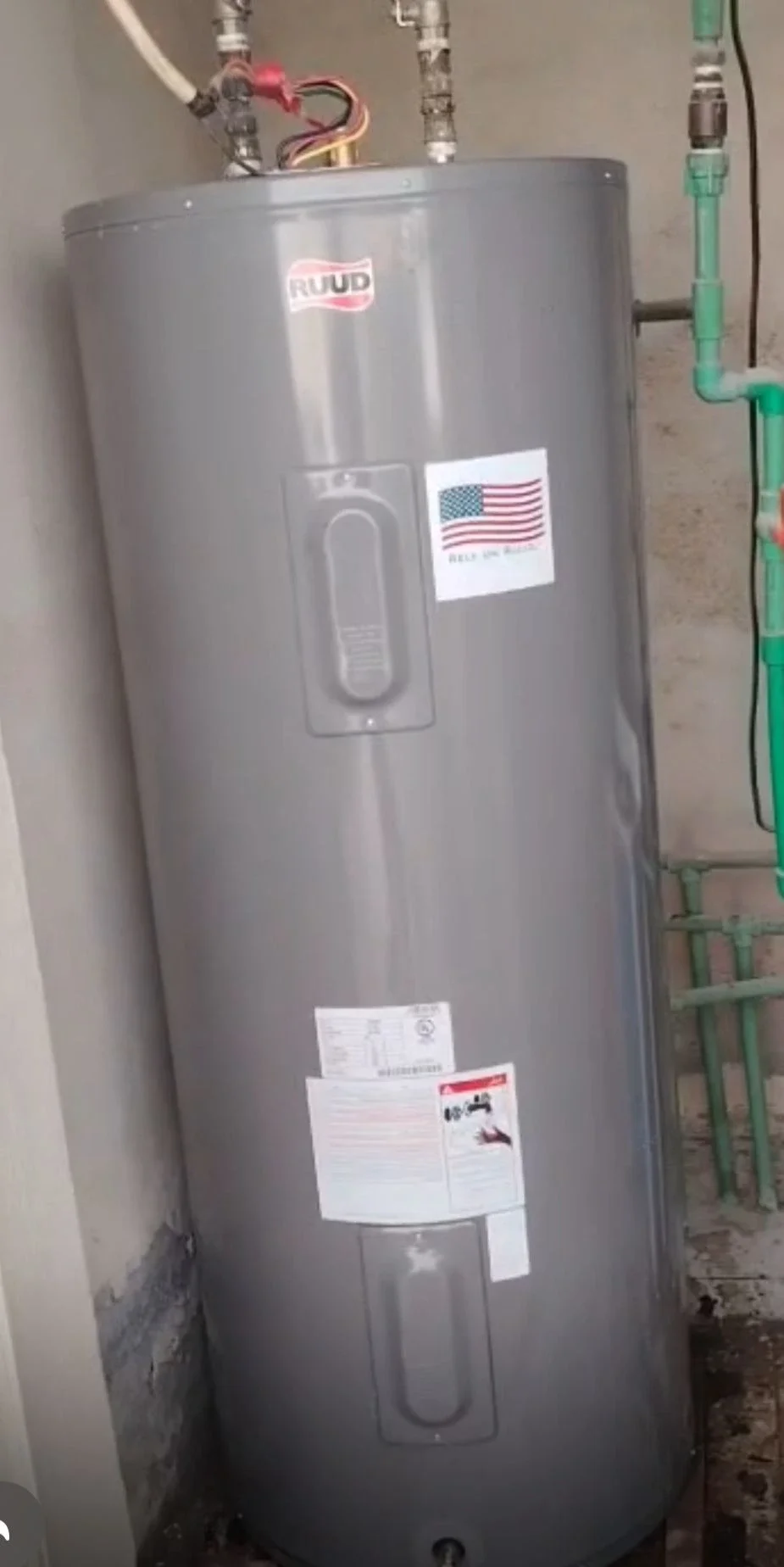
Removing the old heater requires planning because it is a large unit that was connected to water and electricity and can retain water even after the supply has been shut off. Proper removal therefore begins by confirming that energy and water have been isolated and the tank has been drained before any attempt is made to move it.
Once the tank is drained, the connections can be removed carefully in a way that preserves usable plumbing if it will be reused. Cutting or damaging fittings unnecessarily can turn a simple replacement job into additional plumbing work.
The size of the heater and the route it needs to take out of the property should also be checked before movement begins. Some units were installed before doors, cabinets, or other equipment were added. Removing them years later may require measuring doorways, corridors, and clearances and planning the route in advance.
Weight remains important even when the heater is mostly empty. Sediment and residual water can add weight, so the unit should not be moved in a way that risks injury or damage to floors, stairs, or surrounding property.
After removal, the installation area should be inspected. Rust marks or moisture beneath the heater can reveal previous leakage or another issue that should be corrected before the replacement is installed.
Removal also provides a useful opportunity to clean the area and reorganize old plumbing if the existing connections are unnecessarily long, twisted, or difficult to access for service.
The old heater should be handled according to the service arrangement and site conditions rather than simply being left at the property entrance without agreement.
Good removal prepares the location for the next heater. The objective is not only to make the old unit disappear but to leave a clean and practical starting point for installation.
-
Draining the heater before movement reduces its weight and prevents unexpected water discharge while fittings are being disconnected
-
Healthy existing plumbing should be preserved when practical while deteriorated components should not be reused simply to save time
-
The removal route should be planned before the heater is moved especially in narrow spaces or when dealing with large units
-
Inspecting the floor and base after removal can reveal hidden rust or leakage marks that were covered by the old heater
-
Removing the old heater should be treated as part of preparing the site for the replacement rather than as a separate transport task
Installing a new heater in place of the old one
Installing a new heater in place of the old one should begin by selecting a unit that matches current household demand rather than automatically buying the same model or capacity just because it was installed before. The number of residents, bathrooms, usage pattern, and available installation space should all be reviewed.
If the old heater always provided enough hot water and nothing has changed in the household, choosing a similar capacity can make sense. If hot water was already running out regularly before the failure, replacement is an opportunity to reassess the required capacity instead of repeating the same problem.
The installation location should be checked to make sure the new heater fits physically and still leaves enough room for maintenance. Even a small difference in connection position or heater height may require a properly planned adjustment rather than forcing pipes or hoses into unsuitable bends.
Safety components, valves, and water connections should be installed according to the requirements of the new heater and the plumbing system. Existing parts should not be copied automatically from the old installation when their condition or specifications do not match the replacement.
After the water lines are connected, the tank should be filled completely and air removed before heating begins. This is especially important with electric heaters because dry heating can damage heating elements.
During the first startup, all connections should be monitored for leakage while the heater begins heating. The control system should also be checked for normal operation.
The customer should then be given basic operating guidance such as watching for abnormal leakage, avoiding unnecessary adjustment of safety components, and knowing when the heater needs routine inspection.
A new installation is successful when it provides a system that suits the household, remains practical to maintain, and reduces the chance that old installation mistakes will be carried over to the replacement.
-
New heater capacity should be selected according to current household demand and the number of hot-water outlets rather than automatically copying the previous unit
-
Service clearance around the heater should be included in planning so heating elements valves and other components remain accessible in future years
-
Existing connections should be evaluated individually and reused only when they remain suitable and in good condition
-
The tank must be completely filled with water before heating is energized to protect the internal heating components
-
Final installation testing should include leakage heating control operation and stable system behavior rather than only confirming that electrical power reaches the heater
Conclusion
Replacing a central water heater becomes the right decision when it is based on tank condition, repeated faults, repair cost, whether the capacity is still sufficient, spare-part availability, and overall reliability. If the fault is simple, the tank remains healthy, and a reasonable repair can restore normal service, repairing the heater may be the better option. But when the tank body is damaged or another problem appears every few months, continuing to spend money on the old unit can become more expensive than installing a new one.
When replacement is necessary, the process should not simply be “remove this one and put another one there.” The cause of the previous failure should be reviewed, the new capacity should match the property, the fittings, base, and valves should be inspected, and future service access should remain practical.
Sometimes an old heater genuinely deserves another chance. Other times, it has clearly had enough chances already. The skill is not in always repairing or always replacing. The skill is making sure that the money spent today does not return two months later in the form of another repair bill.
Frequently Asked Questions
When is repairing the old heater better than replacing it?
Repair is usually more reasonable when the tank is sound, the problem is limited to one replaceable component, and the repair cost is sensible compared with the overall condition of the heater.
When should I replace the central heater instead of repairing it?
Replacement should be considered when tank-body leakage is confirmed, major faults keep returning, or repair cost becomes high compared with the value of a suitable new heater.
Is heater age alone enough reason for replacement?
No. Operating conditions, maintenance history, and tank condition are more important than the number of years alone.
Does replacing the heating element mean the heater is too old and should be replaced?
No. A heating element is a serviceable component and can be replaced when the rest of the heater and tank remain in good condition.
What is included in the cost of replacing a central heater?
The total can include the heater itself, capacity, removal of the old unit, installation of the new one, required connections, and any necessary modification to the installation area or base.
Do I have to install the same capacity as the old heater?
Not necessarily. The new capacity should be selected according to current household consumption, number of residents, bathrooms, and hot-water usage pattern.
Is it better to replace a heater that keeps breaking down?
If faults are frequent, expenses are accumulating, and the general condition of the heater is poor, replacement deserves serious comparison with continuing to repair it.
Can the old heater be removed and the new one installed during the same visit?
That depends on whether the correct replacement is available, the site is ready, and the existing connections can support the new installation without additional modification.
What should be checked after removing the old heater?
The base, installation area, fittings, and any signs of leakage, rust, or previous damage should be inspected before the new heater is positioned.
How do I know the new heater was installed correctly?
The tank should be completely filled before heating begins, all connections should be checked for leakage, heating and controls should operate normally, and the heater should remain stable during initial operation.