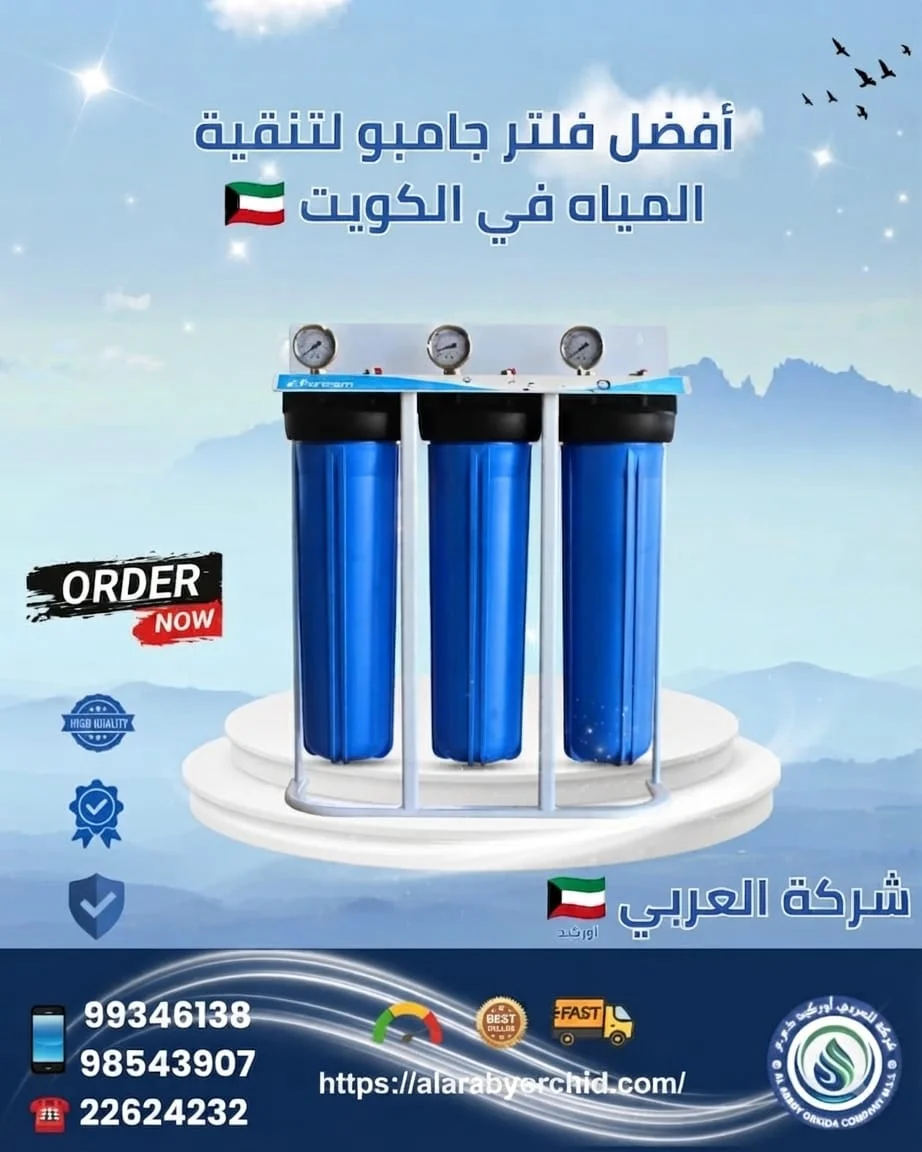
If you want to protect a central water heater from sediment and scale, do not start by buying just any filter advertised as a water-heater protection filter because sediment and scale are not the same problem. Sand, rust, and suspended particles can be reduced by a suitable sediment filter installed before the heater, while scale is usually associated with dissolved minerals in hard water that become more likely to form deposits during heating and require a solution designed specifically for hardness or scale control according to the condition of the plumbing system. The best choice therefore starts by identifying what is actually accumulating inside the heater, then determining the required flow rate, pipe diameter, and heater type before installing any filtration stage. Arabic Orchid in Kuwait can connect filter selection with the condition of the heater, tank, pump, and water network instead of installing a random filter that does not address the real cause of the problem.
Filter to Protect the Water Heater from Scale

Choosing a filter to protect the water heater from scale first requires separating scale from sand, dirt, or other particles entering with the water. Scale forms when minerals associated with water hardness, such as calcium and magnesium, remain dissolved in the water and then become more likely to form deposits on heated surfaces, heating elements, and the bottom of the tank as the water is heated.
This is where one of the most common selection mistakes appears: installing a standard sediment cartridge and assuming it will stop scale. A sediment cartridge is useful for suspended particles that are large enough for the filter to capture, but it does not remove minerals while they are dissolved in the water simply because the micron rating is very fine.
If the real problem is hard water and mineral-scale formation, the solution requires a different assessment. A dedicated scale-control system or a hardness-treatment solution may be appropriate depending on water quality, system design, and the type of heater. Some anti-scale systems are installed on the cold-water line before the heating appliance and interact with minerals differently from a conventional sediment filter, but they are not necessarily the same as a traditional water softener and should be selected according to the required flow and the product specifications.
In practice, a property may need more than one function rather than one device. If the water carries sand and also contains hardness minerals that cause scale, you may need a sediment stage first and then a separate solution for scale instead of expecting one cartridge to perform both jobs.
How Do You Know the Problem Is Not Just Sediment?
If you notice white or hard deposits on components exposed to hot water or scale repeatedly returns despite the absence of visible sand, that gives you a reason to evaluate water hardness rather than focusing only on sediment filtration.
However, color alone should not be used as the only diagnosis because the inside of a heater can contain a mixture of mineral deposits and particles that entered from the water network. Inspection therefore provides a more accurate basis for choosing the right solution.
-
A standard sediment filter captures suspended particles according to its filtration rating but does not remove dissolved calcium and magnesium simply by passing water through the cartridge
-
Scale is related to water chemistry and hardness and is affected by heating so protection should be chosen according to the cause of the deposit rather than its appearance alone
-
The presence of sand and rust together with mineral scale may require more than one stage because each problem is addressed differently
-
A scale-control system installed for a water heater should be sized for the required water flow so it does not become a pressure restriction before the heater
-
Raising the water-heater temperature is not a treatment for scale because additional heating does not solve the problem and may increase the conditions that encourage mineral deposition
-
The best choice starts by identifying the type of deposit and then determining whether the property needs particle filtration hardness treatment or a combined system addressing both issues
Filter Before the Central Water Heater
Installing a filter before the central water heater can be useful when the objective is to prevent some of the sand, rust, and suspended debris from entering the heater tank in the first place. However, the location and type of filter need to be properly calculated because the water-heater line can carry a significant flow, and excessive resistance can affect hot-water delivery throughout the home.
The first step is identifying the cold-water supply line feeding the heater because protection is normally applied before the water enters the heating appliance rather than after deposits have already formed inside it. The pipe diameter, peak flow requirement, and cartridge or treatment system can then be reviewed.
If an extremely fine filter is installed on a main line and the central heater supplies several bathrooms, performance may look excellent when the cartridge is new. Once the cartridge becomes loaded with sediment, however, the homeowner may begin noticing weak hot-water flow and assume the heater itself has failed.
Pressure differential is therefore very important. If pressure is normal before the filter but noticeably lower after it, the issue may be the cartridge, housing size, or sediment loading rather than the heater.
The water source should also be considered. If the ground or rooftop storage tank continuously carries sand, a small filter installed only before the heater may provide some protection but require very frequent replacement. In that situation, dealing with the heavy sediment load through a larger central filtration stage before the water reaches the heater line may be more practical.
Where Should the Filter Be Installed?
The correct location depends on the design of the water network, storage tank, booster pump, and water heater. There is no single installation point that works for every home. The important thing is to place the filter on the water path that needs to be treated while keeping the system accessible for isolation and servicing.
The filter also needs to remain easy to reach because a cartridge protecting the heater is not something that can be installed and forgotten. Once it becomes loaded with sediment, it needs replacement before it begins restricting water flow.
-
The main purpose of a filter before the heater is to reduce suspended particles entering the tank before they settle at the bottom or pass through internal components
-
Filtration rating should be balanced with required flow because the finest cartridge is not automatically the best choice for a central line supplying several bathrooms
-
Weak hot-water flow appearing after the filter has been in use for some time may be caused by a sediment-loaded cartridge rather than a failed heating element or heater
-
Isolation valves before and after the filter make servicing easier and reduce the need to shut down the household water network in a complicated way
-
If the water source carries large amounts of sand a larger central preliminary filter may be more practical than a small cartridge that requires constant replacement
-
Filter location should be determined by the design of the water system and the positions of the pump tank and heater rather than by one universal installation rule
Protecting the Water Heater from Sediment
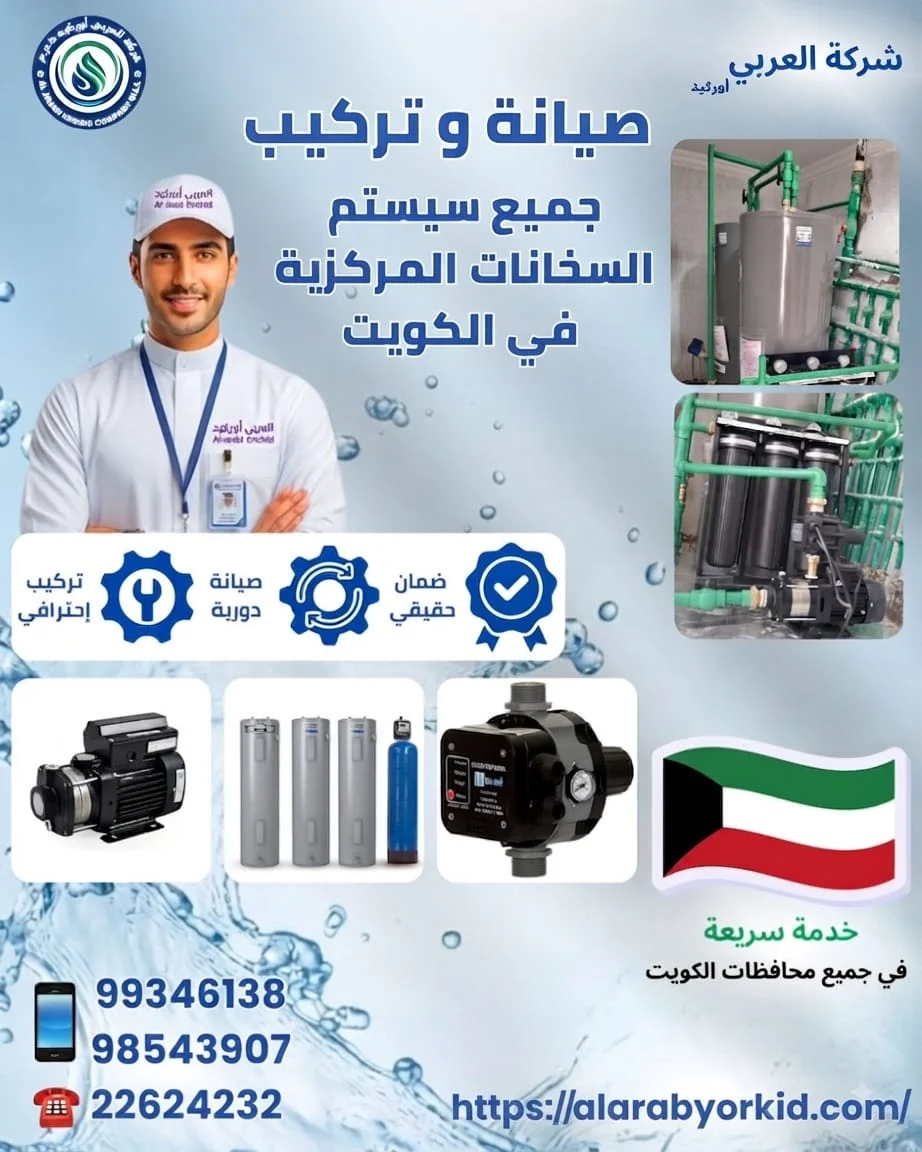
Protecting the water heater from sediment starts before thinking about cleaning the heater itself because sediment that continues entering with the water will return even after a thorough cleaning if the external source is not addressed. It is therefore important to separate maintenance of existing deposits inside the tank from reducing the new material entering with the supply water.
Sediment may consist of sand, rust, or particles coming from the storage tank or pipework, and it may also be mixed with mineral deposits that form inside the heater as a result of hardness and heating. The first category can be reduced through suitable filtration of the incoming water, while mineral deposits require a separate assessment of water hardness.
If visible sand collects at the bottom of the heater again shortly after cleaning, that is a reason to inspect the water source before repeatedly cleaning the heater. The cause may be the storage tank, an older water line, or the absence of an appropriate main filtration stage.
On the other hand, if there is no obvious sand but a hard layer or scale is forming on the heating element, a sediment filter alone is unlikely to solve the underlying problem.
Good protection also does not mean the water heater no longer needs maintenance. Even with filtration in place, the heater still requires monitoring because every filter has operating limits and no sediment filter prevents every type of internal deposit.
What Provides Practical Protection for the Heater?
The correct solution is to reduce each source according to its type. Suspended particles are managed with an appropriate sediment filtration stage, hardness requires a suitable scale-control or treatment method when necessary, and periodic maintenance deals with material that still accumulates over time.
The filtration system also needs to maintain adequate flow because a filter that protects the heater while heavily restricting hot-water delivery is not a successful solution.
A practical example is a home with an American-style central water heater where cleaning reveals both sand and hard scale. In this situation, the entire problem should not simply be described as “scale.” The storage tank and main filter should be reviewed on one side and the hardness issue on the other because two different causes may be present at the same time.
-
Sand and rust entering from the plumbing network require particle filtration before the water reaches the heater to reduce the amount settling inside it
-
Hard mineral deposits caused by water hardness require a different assessment and a standard sediment cartridge should not be treated as sufficient protection
-
Cleaning the heater without addressing the source of incoming sediment allows the problem to return because the result has been treated while the external cause remains
-
A water-heater filter should provide the required flow without excessive pressure loss because protection should not come at the expense of comfortable hot-water use
-
Inspecting the storage tank and pipework helps identify the source of sand before the heater receives the full contaminant load from the network
-
The best protection combines correct diagnosis suitable filtration and periodic servicing instead of depending on one filter for every type of deposit
Water Heater Line Filter
Choosing a water heater line filter requires treating the supply line as part of the complete hot-water network rather than simply as a pipe feeding the heater. Any filter installed on this line should be capable of passing the flow required when several bathrooms or the kitchen are using hot water simultaneously because any restriction before the heater directly affects the amount of hot water available to the user.
If the purpose is to protect the heater from sand, rust, and suspended particles, an appropriately sized sediment filter is usually the starting point. If the main problem is scale caused by water hardness, however, the particle filter alone is not sufficient because it deals with suspended material rather than dissolved minerals entering the heater.
Filtration rating is therefore important. Some homeowners select an extremely fine cartridge because they assume it will “protect more,” but on a central heater line excessive fineness can create a greater pressure differential and cause the cartridge to clog quickly, especially when the water source contains a high sediment load. The better choice is the filtration level that achieves the required particle reduction without adding unnecessary resistance.
Maintenance access also needs to be considered. A heater-line filter will require periodic servicing and should therefore be easy to reach rather than being squeezed into a tight area or surrounded by connections that make housing removal difficult. When maintenance is complicated, servicing is often delayed until hot-water flow has already begun to deteriorate.
Installing pressure gauges before and after the filter, where system design permits, can be especially useful for determining when the cartridge has become loaded with sediment. Instead of waiting for shower pressure to become noticeably weak, the pressure difference can be monitored and connected to the actual condition of the filter.
What Mistakes Should Be Avoided on the Heater Line?
One of the biggest mistakes is installing a filter without confirming flow direction or using a housing with connections smaller than the main line. Another is installing a cartridge or housing outside its rated operating temperature or pressure conditions.
A filter designed only for cold-water service should not be installed in a location where operating conditions exceed its approved limits.
Another common error is blaming every hot-water flow problem on the heater itself. If the filter upstream is heavily loaded with sediment, the heater may be functioning correctly while receiving insufficient water.
-
A heater-line filter should be selected according to the central heater flow requirement rather than housing size alone
-
Filtration rating should match the actual problem so the cartridge does not create more resistance than necessary
-
A sediment filter protects against particles but does not directly treat water hardness or scale caused by dissolved minerals
-
Easy filter access is important because delayed maintenance can cause gradual loss of hot-water flow
-
Comparing pressure before and after the filter helps determine whether the problem is caused by the cartridge rather than the heater
-
Any housing or cartridge should operate within its approved pressure and temperature limits according to its position in the plumbing system
Preventing Deposits in the Central Water Heater
Preventing deposits in the central water heater does not depend on a single filter because material accumulating inside the heater can come from several sources. Some particles enter with the water, including sand and rust, while other deposits form inside the tank because of water hardness and heating. Additional material may also come from internal corrosion or from the condition of the plumbing network itself.
The first step is therefore identifying the type of deposit observed during servicing or cleaning. Sand has different physical characteristics from hard mineral scale, and each points toward a different solution.
If the problem consists of particles entering from the tank or water network, a suitable sediment filter before the heater can reduce the amount reaching it. If the deposit is hard and repeatedly returns because of water hardness, however, a dedicated anti-scale or hardness-treatment solution may need to be considered depending on the system.
Operating temperature should also be reviewed. Increasing the heater temperature beyond what is necessary is not a method for preventing deposits and can create conditions that encourage additional precipitation of some minerals. It is better to operate the heater within an appropriate range and use hot water safely rather than treating higher temperature as a scale-control method.
Maintenance also plays an essential role. Even when a suitable protection system has been installed, the heater still requires monitoring because every solution reduces certain forms of accumulation but does not eliminate every possible internal deposit.
Does a Filter Prevent Deposits Completely?
No. A filter reduces specific contaminants according to the filtration media being used but does not guarantee that all deposits inside the heater will disappear. Suspended particles can be significantly reduced with suitable filtration, while dissolved minerals require a different treatment approach.
This distinction is important both technically and commercially because customers should understand what the filter is expected to do and what it cannot do instead of being given an unrealistic promise.
When Do You Need More Than One Stage?
If the water contains visible sand and also has significant hardness, the heater may need two different forms of protection. One stage can address suspended particles while another deals with scale or hardness according to the selected treatment method.
This is more effective than installing an extremely fine sediment cartridge and assuming it will solve both problems.
-
Deposit prevention begins with identifying the source because sand and rust differ from mineral scale in both cause and treatment
-
A sediment filter reduces incoming particles but does not stop dissolved minerals from forming scale after heating
-
Hardness control requires a dedicated solution when scale has been confirmed as the main problem
-
Raising water-heater temperature is not a deposit-prevention method and may increase some scale-related problems rather than solve them
-
Periodic maintenance remains important even with a protection system because filters require servicing and the heater still needs inspection
-
The best preventive system addresses each cause with the appropriate method rather than expecting one filter to treat every type of deposit
Filter to Protect the Water Heater Element
Using a filter to protect the water heater element requires first understanding what is meant by the heater “element.” In common usage, this refers to the electric heating element inside the water heater, which can gradually develop deposits, especially when the water contains hardness minerals or suspended sediment.
A sediment filter before the heater can reduce sand, rust, and particles entering the tank, helping reduce one part of the load on internal components. However, when the material coating the heating element is mineral scale caused by dissolved calcium and magnesium, a standard sediment filter does not remove the main cause.
This is where the distinction between indirect protection and direct treatment becomes important. A sediment filter protects the heating element from particles entering with the water, while an anti-scale or hardness-treatment system targets the process responsible for hard mineral deposits.
When the heating element becomes coated with an insulating layer of deposits, heat transfer to the water can become less efficient and the heater may need to operate longer to achieve the same temperature depending on the condition of the system. Reducing accumulation can therefore benefit both performance and service life, but the correct solution still depends on the type of deposit.
Another mistake is repeatedly replacing the heating element without investigating why deposits continue forming. If water quality is causing the problem, the same accumulation can develop on the new element after some time.
What Provides Better Protection for the Heating Element?
Protection can involve two stages when necessary: reducing suspended sediment before it reaches the heater and then addressing water hardness if that is the primary cause of scale.
Periodic servicing of the heater remains important because the heating element and internal components should be monitored according to water quality and actual use.
When Is the Filter Alone Not Enough?
If hard scale continues forming on the heating element even after sediment filtration has been installed, that indicates the problem is not limited to suspended particles. Diagnosis should then shift toward hardness rather than simply replacing the filter cartridge with a finer one.
-
A sediment filter helps reduce sand and rust entering with the water and reaching the internal components of the heater
-
Hard scale on the heating element usually requires assessment of water hardness rather than simply changing the sediment filter
-
Replacing the heating element without addressing the cause of the deposit allows the same problem to return on the new component
-
Deposits on the element can affect heat transfer efficiency and increase operating time depending on the condition of the heater
-
A finer filter is not always better because if the issue is mineral scale switching to a finer sediment cartridge does not address the true cause
-
The best protection for the heating element starts by diagnosing the type of deposit and then choosing appropriate filtration or scale treatment together with periodic maintenance
Water Filter for American-Style Water Heaters

Choosing a water filter for American-style water heaters should be based on the condition of the incoming water rather than the fact that the heater is American-style. Large storage heaters from brands such as Ruud, Rheem, Bradford White, AO Smith, and others can be affected by sediment and water hardness like any storage water heater when water conditions encourage accumulation.
The important difference is that an American-style central heater often supplies a larger volume of water and more fixtures than a small individual heater, so any filter installed before it must be sized for the entire line flow rather than becoming a restriction during peak use.
If the problem consists of sand, rust, and particles entering from the storage tank or plumbing network, a sediment filter has a clear role before the heater. The cartridge captures particles according to its filtration rating and reduces the amount entering the tank and gradually settling inside it.
If the main problem is mineral scale forming on the heating element or inside the tank, however, it is not enough to say “install an American heater filter” or “use a finer cartridge.” Water hardness should be evaluated because dissolved minerals are not captured in the same way as sand.
Some homes may need a two-part approach. The first stage handles sediment while the second provides scale-control or hardness treatment according to the water condition and selected equipment.
System size also matters. Whether the heater is 50, 65, 80, or 120 gallons, capacity alone does not determine filter size. Required water flow, household demand, and pipe diameter usually have a more direct effect on filter selection.
What Should Be Checked Before Installing the Filter?
Review the location of the storage tank, booster pump, cold-water heater supply line, pipe diameter, and the number of bathrooms that may use hot water at the same time.
If the property already has a central filter, its actual function should be identified before another stage is added because duplicating the same filtration function can increase pressure loss without providing a clear benefit.
Adequate maintenance space should also be left because a filter serving an American-style central water heater is installed on an important household line and needs to be easy to service.
-
An American-style water heater needs a filter sized for the central line flow rather than a small filter selected only because of the heater brand
-
Suspended particles can be reduced with a suitable cartridge while scale caused by hardness requires a separate assessment
-
Heater capacity in gallons does not determine filter size by itself because household flow and pipe diameter also have a direct influence
-
An existing central filter should be considered so the same filtration stage is not duplicated unnecessarily and network resistance increased
-
Easy access to the filter is important because delayed cartridge replacement can affect hot-water flow throughout the property
-
The best filter type for an American-style water heater is one that addresses the actual cause of the problem maintains adequate flow and remains practical to service
Reducing Scale Inside the Water Heater
Reducing scale inside the water heater begins with understanding that the realistic objective is to slow accumulation and reduce its impact rather than promise that one filter will eliminate it completely under every condition.
When the water has significant hardness, heating encourages part of the mineral content to form deposits on hot surfaces and at the bottom of the tank. This is one reason water heaters are among the parts of a household plumbing system where scale problems can become especially noticeable.
The first step is determining whether the material is actually scale or simply sand and rust sediment. If the deposit is white or hard and repeatedly appears on the heating element or other hot-water components, hardness is more likely to be involved than suspended debris alone.
The appropriate solution can then be selected. A sediment filter remains useful if particles are also present, but it is not sufficient when hardness is the primary cause. A dedicated scale-control or water-hardness treatment system may then be required depending on the site and equipment.
Periodic heater servicing can also help because allowing deposits to accumulate for long periods makes removal more difficult and may affect performance more significantly.
Can Reducing Scale Extend Water Heater Life?
Reducing deposits can help internal surfaces and heating elements remain in better condition and may reduce the insulating effect created by mineral layers, but water-heater life also depends on other factors including tank construction, anode condition, connections, maintenance, and operating conditions.
For that reason, it would not be accurate to promise that one filter will “double the life of the heater” without evidence.
What Mistakes Can Make Scale Problems Worse?
Mistakes include increasing heater temperature beyond what is needed, ignoring maintenance, or installing a sediment filter and assuming the entire issue has been solved.
Another mistake is repeatedly replacing the heating element without investigating the water quality responsible for the deposits.
-
Reducing scale starts by assessing water hardness rather than simply choosing a finer cartridge
-
A sediment filter captures particles but does not remove the dissolved minerals that later form scale during heating
-
Periodic maintenance helps prevent deposits from remaining for very long periods and allows the issue to be identified earlier
-
Replacing the heating element without addressing the cause allows scale to develop on the new element
-
Raising water-heater temperature is not a solution for scale and can create conditions that encourage additional deposition
-
The best approach combines correct diagnosis suitable treatment and maintenance rather than depending on a single product for every situation
Filtering Water Before Heating

Filtering water before heating is a logical step when the purpose is to reduce suspended debris before it enters the heater instead of waiting for it to collect in the tank and only beginning maintenance after the problem becomes obvious.
Every particle of sand or rust entering with the water has the potential to settle at the bottom of the tank or circulate through it. Reducing this material before heating can lower the contaminant load on both the tank and its internal components.
However, it is important to distinguish particle filtration from water treatment. A filter can remove certain contaminants according to the cartridge or media being used, but that does not mean everything in the water is removed before heating.
If the water contains larger sediment, a preliminary stage capable of handling that load may be appropriate. A finer stage can then be added if the system requires it. If water hardness is also a problem, a separate or complementary treatment method may be necessary.
How Should the Filtration Location Be Chosen?
The location depends on the design of the water network. If a whole-house central filter already treats water before it is distributed throughout the property, the water heater may already receive substantial sediment protection.
If the heater has a dedicated supply line or the problem is concentrated on that line, however, a separate filtration stage before the heater may be more practical.
Pressure and flow should always be considered because any filtration stage installed before the heater becomes part of the hydraulic system. A filter that removes sediment but leaves the shower with weak flow is not a balanced solution.
What Is the Practical Benefit of Filtering Before Heating?
It reduces the amount of suspended sediment entering the tank, helps keep certain internal components cleaner, and can reduce the amount of loose debris that must be dealt with during heater maintenance.
If the main problem is mineral scale, however, treatment still needs to focus on water hardness because mechanical filtration by itself does not change dissolved minerals.
-
Filtering water before heating helps reduce sand rust and suspended particles before they enter the heater tank
-
An existing central filter may make it unnecessary to duplicate the same filtration stage if it already serves the heater line effectively
-
Adding filters without a clear purpose can increase pressure differential and maintenance requirements without providing a real benefit
-
Filtration rating should be selected according to the type of sediment and required heater flow rather than assuming the finest cartridge is always best
-
Scale requires attention to water hardness even if an excellent sediment filter is installed before the heater
-
The best protection begins before heating but continues with maintenance and ongoing monitoring of both the water heater and water quality
Protecting the Central Water Heater with a Filter
Protecting the central water heater with a filter is effective when the filtration system is selected according to the type of problem entering with the water rather than assuming any filter installed before the heater will prevent every form of deposit. If the water contains sand, rust, and suspended debris, a sediment filter has a clear and direct function. If the main problem is scale caused by dissolved minerals, protection requires a different or complementary system designed for hardness and scale control.
Before choosing the system, determine whether the heater serves the entire property or only part of the plumbing network, how much hot water is required during peak use, and the diameter of the cold-water line feeding the heater. This information helps determine housing size, cartridge capacity, and the appropriate flow rate.
If the filter is smaller than the heater-line requirement, it may appear to perform perfectly when a new cartridge is installed, but as sediment accumulates the pressure differential can increase and reduce the amount of water entering the heater. The user may then experience weak hot-water flow and assume the heater or booster pump is failing when the real restriction is upstream.
On the other hand, installing a filtration system much larger than necessary or adding multiple stages without a defined purpose does not automatically provide better protection. It can increase purchase cost and maintenance requirements without producing a meaningful performance improvement.
What Is the Best Filter Type for Protecting a Water Heater?
There is no single best filter type for every central water heater because the correct choice changes according to the actual problem.
If the primary issue is sand, rust, or suspended particles, a sediment filter with a suitable flow capacity and filtration rating is the logical starting point.
If the incoming water carries a particularly heavy sediment load, a higher-capacity preliminary stage may be necessary instead of relying on a very fine cartridge that becomes blocked quickly.
If the main problem is mineral scale caused by hard water, a dedicated anti-scale or hardness-treatment system should be evaluated according to the characteristics of the network and heater.
In some homes, the best solution is a combined arrangement where suspended sediment is removed first and the scale issue is then addressed separately with a suitable method.
One Filter or Several Stages?
The number of stages is not a goal by itself. If the property has a simple sediment problem, one correctly sized filter may be better than three unnecessary stages.
If the water contains heavy sand, finer particles, and a hardness problem at the same time, several steps may be appropriate, but every stage should have a specific reason and function.
It is also important to remember that every additional stage can add resistance, so the housing and cartridges should be selected in a way that maintains adequate heater flow.
Steps for Choosing a Water Heater Protection System
-
Identify the heater type capacity and how it is used
-
Inspect the type of material found during heater maintenance
-
Determine whether the problem is sand rust scale or a combination
-
Review the storage tank and the water source upstream from the heater
-
Identify the diameter of the cold-water supply line feeding the heater
-
Determine the required water flow during peak demand
-
Select an appropriate filter or cartridge for suspended sediment
-
Evaluate whether a scale-control system is required if hardness is the problem
-
Prepare an installation location that remains easy to access for servicing
-
Monitor pressure differential and cartridge condition after operation begins
This approach bases the decision on actual water and heater conditions instead of the name of a filter or an advertisement claiming one product protects against everything.
Central Water Heater Protection Filter Prices
The price varies from one property to another because the cost of protecting a central water heater with filtration depends on pipe size, filter type, number of stages, cartridge specification, existing network condition, and installation location.
Factors affecting the cost include:
-
Filter housing size
-
Sediment-cartridge type and filtration rating
-
Number of filtration stages required
-
Water-heater pipe diameter
-
Existing isolation valves or the need to add them
-
Modifications required to the water line before the heater
-
Filter location and ease of access
-
Whether the property already has a whole-house central filter
-
Whether a separate scale-control stage is required
-
Future cartridge and maintenance costs
For this reason, choosing only according to the purchase price of the device is not practical. A cheaper filter that is too small for the required flow or uses cartridges that need constant replacement can become more expensive over time.
A larger system is not automatically more economical either because the customer may end up paying for stages the heater does not actually need.
How Should You Compare Two Offers?
Do not compare installation prices alone. Ask what cartridge is being supplied, what its function is, how much flow it can handle, and whether the proposed system is treating suspended sediment or an actual scale problem.
If an offer claims that a standard sediment cartridge will completely stop scale, that description should be questioned because particle filtration and hardness control are two different functions.
The better proposal clearly explains the problem, which part of it the filter will address, and what requires another treatment technology.
Why Choose Arabic Orchid?
If you are searching for the best company to protect a central water heater from sediment and scale in Kuwait, the important factor is not simply installing a filter but connecting filtration with the condition of the heater, tank, booster pump, and water network.
Arabic Orchid works with central water heaters, filters, booster pumps, and water systems, allowing the problem to be assessed across several connected components instead of assuming every deposit inside the heater has one cause.
If the problem is sediment coming from the storage tank, the source can be addressed.
If the issue is scale caused by hard water, it should be made clear that a sediment cartridge alone is not enough.
If weak flow is caused by a filter loaded with debris, that filter should be inspected before replacing the heater or heating element unnecessarily.
The objective is to select a solution that addresses the actual problem, maintains appropriate water flow, and remains practical to service instead of installing a complicated system that the property does not need.
-
Water-heater protection begins by identifying the type of deposit before choosing any filter
-
A sediment filter is appropriate for sand rust and suspended particles but does not remove dissolved minerals responsible for scale
-
Scale requires assessment of water hardness and a dedicated treatment solution when hardness is confirmed as the main cause
-
Filter size should match central heater flow so the system does not create weak hot-water delivery
-
More stages are not automatically better because every stage needs a clear purpose
-
Future cartridge and maintenance cost should be included in the purchase decision rather than considering only the initial equipment price
-
The best company is one that clearly explains the limits of each filtration method and does not promise that one product will solve every water problem
-
You can contact Arabic Orchid in Kuwait to determine the appropriate protection system after reviewing the plumbing network and the source of the deposits
Conclusion
Choosing a filter to protect a central water heater from sediment and scale begins by distinguishing between two different problems: suspended contaminants that a suitable filter can capture and dissolved minerals associated with hard water that can form scale after heating.
If sand, rust, or particles from the storage tank or plumbing network are collecting inside the heater, installing a properly sized sediment filter before the heater can reduce the amount of material entering the tank and settling inside it.
If the problem appears as hard mineral scale on the heating element or internal surfaces, however, installing a finer sediment cartridge is not necessarily the answer. Water hardness should be evaluated and an appropriate scale-control method selected according to the system condition.
Flow should never be ignored either. A filter that protects the heater but creates a severe pressure drop and weak hot-water delivery is not a balanced solution even if it captures sediment effectively.
The best approach is to review the water heater, storage tank, booster pump, water line, type of deposits, and required flow as one connected system and then select the filtration or scale-treatment method that addresses the actual cause.
If you have a central or American-style water heater in Kuwait and repeatedly find sediment or scale on the heating elements, you can contact Arabic Orchid to determine whether the problem requires a sediment filter before the heater or a different protection system instead of replacing parts or installing filters without proper diagnosis.
Frequently Asked Questions
Does a sediment filter prevent scale inside the water heater?
No. A sediment filter captures sand, rust, and suspended particles according to its filtration rating, but it does not remove dissolved calcium and magnesium. If the problem is scale caused by hard water, a dedicated assessment and treatment method are required.
What is the best filter to install before a central water heater?
The best filter depends on the type of contaminants, heater flow, and pipe diameter. If suspended sediment is the problem, the housing and cartridge should be selected according to the required flow and filtration rating rather than assuming one product suits every property.
Can a filter reduce hot-water pressure?
Yes. Pressure can drop if the filter or cartridge is too small for the required flow or if the cartridge becomes loaded with sediment. Correct sizing, pressure monitoring, and regular maintenance are important before weak flow becomes noticeable throughout the network.
Does an American-style water heater need a special filter?
Not simply because it is American-style. These heaters are often central units serving greater flow, so the filter needs to match water demand and the actual sediment or hardness problem at the property.
Does installing a filter eliminate the need for water-heater maintenance?
No. The filter reduces certain forms of incoming sediment but does not eliminate servicing or prevent every type of internal deposit. The best protection combines suitable filtration, monitoring of water quality, and heater maintenance when required.
Will using a finer filter cartridge reduce scale?
Not necessarily. A finer cartridge captures smaller particles but does not convert dissolved minerals into particles that can be filtered mechanically. If hardness is the problem, the treatment method needs to change rather than simply using a smaller micron rating.
Do I need one filter or several stages?
It depends on the problem. A simple sediment issue may only need one appropriately sized filter, while heavy sand or multiple water-quality issues may require different stages with a specific function for each.
How can I tell whether deposits inside the heater are sand or scale?
Sand and suspended particles differ from hard mineral scale, but appearance alone is not always enough. The deposits, water source, and condition of the heater should be inspected before choosing the protection system.
Should the water-heater filter be installed before or after the booster pump?
The correct location depends on the plumbing design, pump type, storage tank, and filter specifications. There is no single arrangement that works for every property, so the installation point should be selected after reviewing water flow and required pressure.
What is the most important thing to know before buying a water-heater protection filter?
The most important question is what type of deposit you are trying to prevent. Once that is known, flow rate, pipe diameter, heater type, and the appropriate filtration or scale-control method can be selected instead of buying a filter based only on its name.