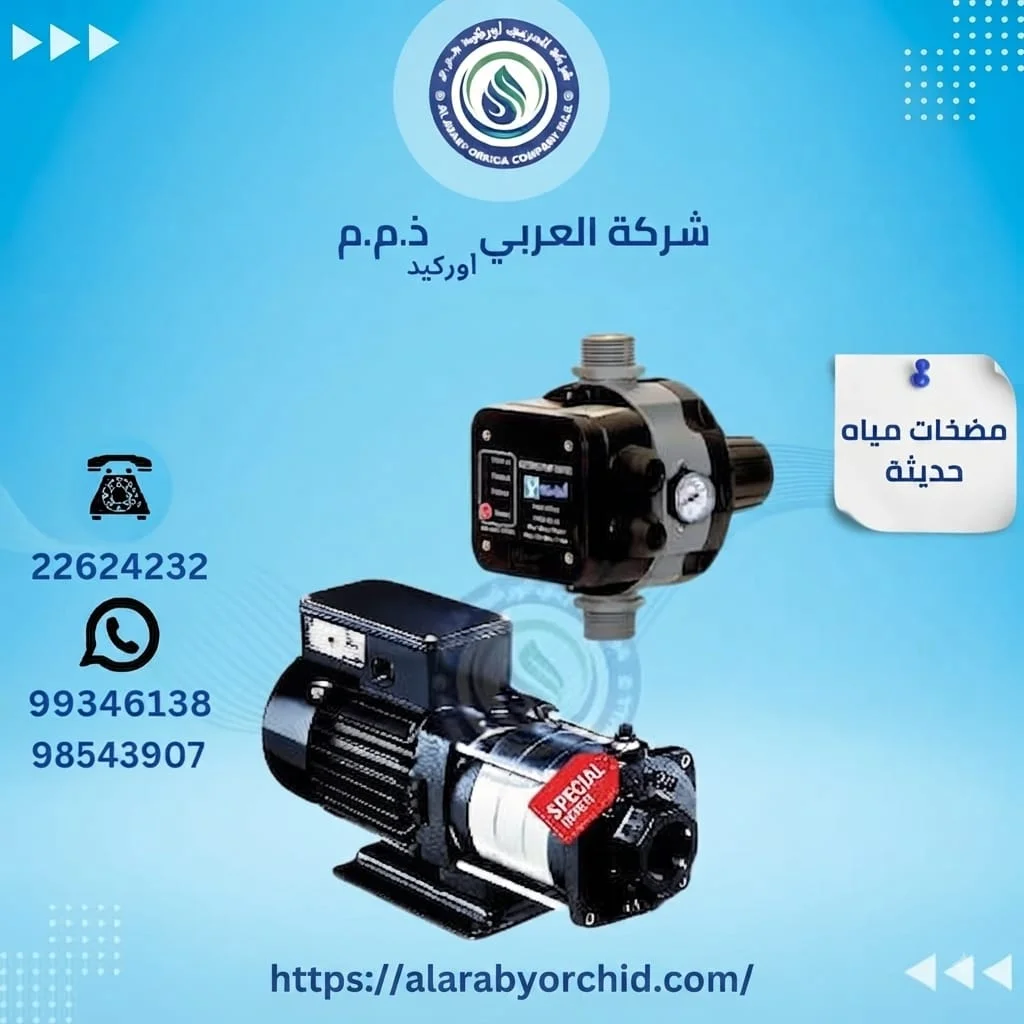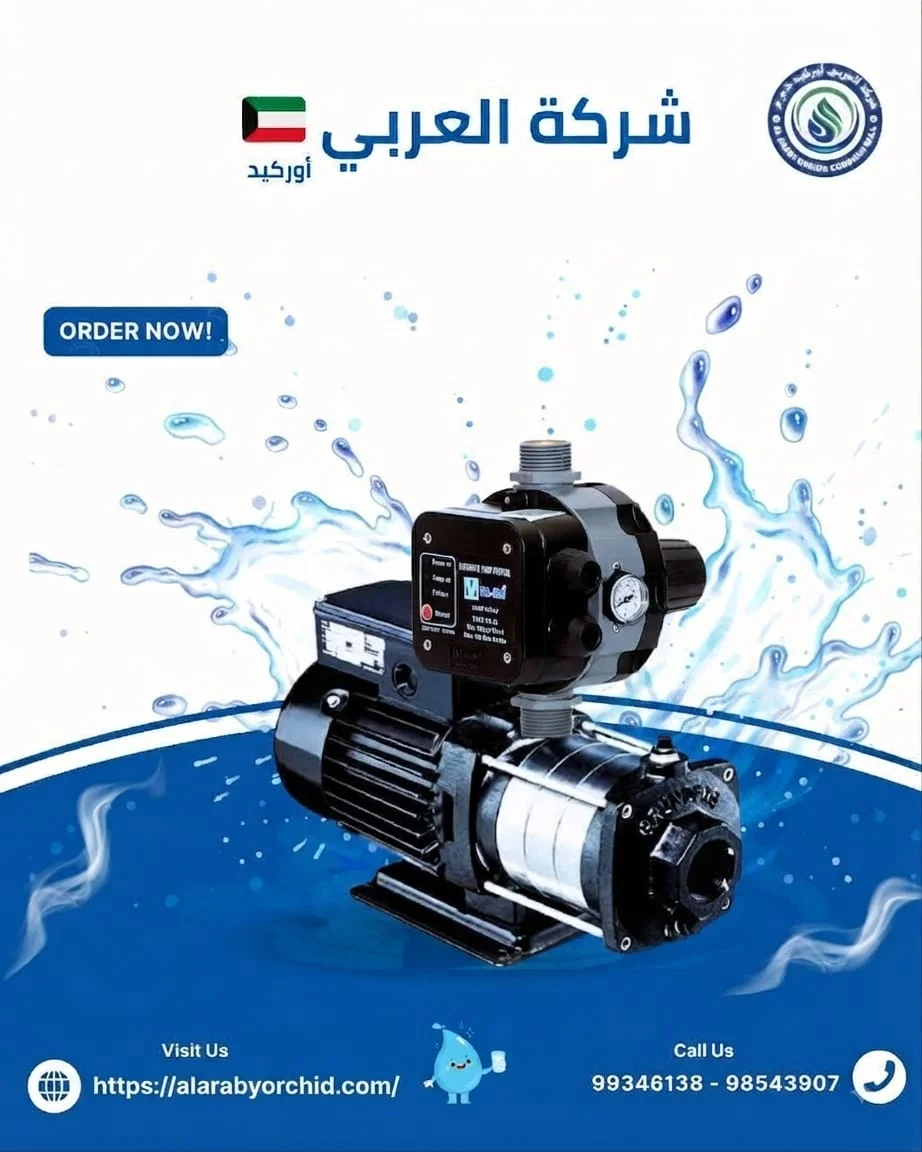
When you feel that your water pump is weak, it does not automatically mean that the pump itself is damaged or that the solution is to install a larger one. Low water pressure can begin before the pump at the tank or suction line, inside the pump itself, or after the pump because of a clogged filter, partially closed valve, leakage, undersized pipes, or water demand that has become higher than the selected pump capacity. Proper diagnosis follows the water step by step: from the water source to the pump suction side, then through the discharge pressure, and finally to the farthest fixture in the property. The goal is not to immediately say “replace the pump,” but to identify exactly where the pressure is being lost before spending money on a solution that may not be necessary.
Water Pump Is Weak
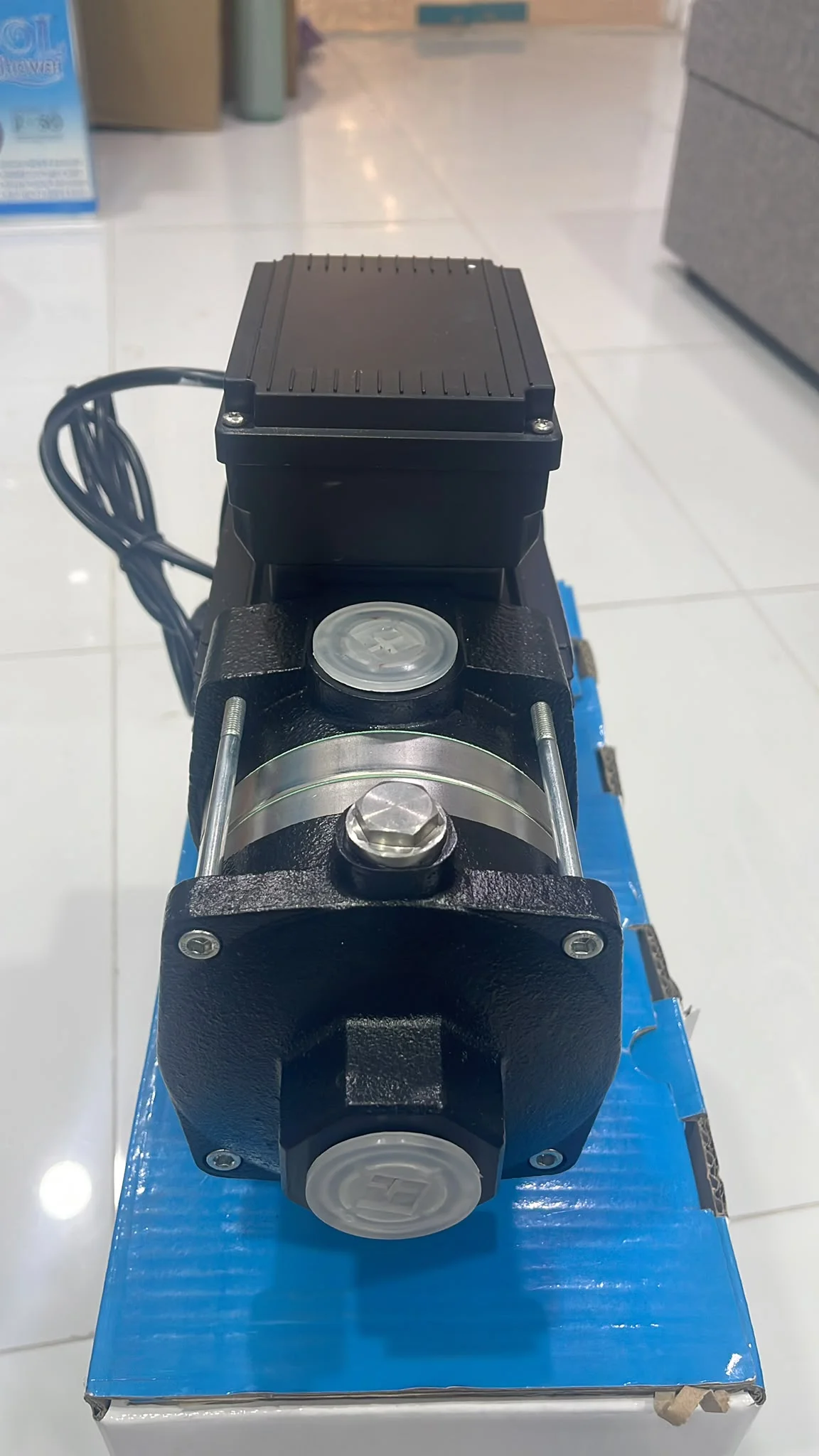
When you say the water pump is weak, the first thing to determine is what you actually mean by “weak.” Is the pressure low throughout the entire house from the moment you open a tap? Is the pressure strong with one tap but collapses when two bathrooms are used? Is the problem limited to the upper floor? Did the weakness suddenly appear after the system had worked properly for years, or has the problem existed since the day the pump was installed? Each situation points toward a completely different group of causes.
If the pressure has been weak since the first day of installation, the pump may have been undersized for the required load or selected according to horsepower instead of the required pressure-flow performance. If the system worked well for several years and then gradually weakened, the investigation should focus on something that changed over time: a clogged filter, a partially restricted valve, air entering the suction line, an internally worn impeller, or a pressure-tank or control setting that is no longer correct.
Low flow can also result from air in the suction line, low inlet pressure, a blocked suction pipe, a restricted impeller, or excessive resistance in the plumbing network. This is why a weak pump should never be diagnosed from sound alone.
One useful initial test is to compare pressure while changing the number of open fixtures. Open one tap and observe the performance, then open a second fixture. If pressure falls dramatically, the required flow may be greater than the system can supply. If pressure remains poor even with only one fixture open, the diagnosis is more likely to involve suction conditions, the pump itself, or a restriction in the network.
It is also important to remember that a pump can be electrically “running” and sound normal while its hydraulic performance is still below what the system needs.
-
Pressure that has been weak since installation should lead to a review of pump selection and the performance curve before assuming internal damage
-
Pressure that weakened after years of good service should lead to checks for restrictions leakage air entry and changes in control settings
-
Pressure collapsing when several fixtures are opened can indicate that demand has exceeded available flow rather than proving the pump itself has failed
-
Low pressure even with a single fixture open requires inlet and outlet pressure measurements before recommending a larger pump
-
Never judge pump condition from motor sound alone because the motor may run while actual water movement remains below the required level
Causes of a Weak Water Pump
The causes of a weak water pump can practically be divided into four groups: problems before the pump, problems inside the pump, problems after the pump, and a pump that was incorrectly selected from the beginning. This classification saves a great deal of time because it prevents replacing the entire pump when the real cause is something as simple as a blocked filter before it.
The first group is suction-side problems. If the water level in the tank is low, the suction line pulls air, the check valve does not hold properly, or an isolation valve is not fully open, the pump receives less water than it needs. Air leaks in the suction line, poor sealing, low inlet pressure, and suction-pipe restrictions can all reduce flow significantly.
The second group involves the pump itself. The impeller may be partially blocked, worn, or damaged, or another internal hydraulic component may have deteriorated. Reduced flow can also be linked to a suction pipe that is too small for the required demand.
The third group is located after the pump. A badly clogged central filter, a partially closed valve, a pressure regulator that is incorrectly adjusted, or old pipes with internal restriction can all create pressure loss before the water reaches the bathrooms. If pressure measured directly after the pump is good but pressure at the far end of the house is poor, the pump should not be blamed first. The network after it needs to be inspected.
The fourth possibility is that the pump is no longer large enough for current demand. A household that originally used one bathroom may now use several bathrooms simultaneously. A central filter or additional pipework may also have been added after the pump was selected, increasing pressure loss through the system.
-
Suction-side problems include low tank level air leakage a faulty check valve a restricted valve and an undersized suction line
-
Internal pump flow can drop because of impeller blockage wear or deterioration over time
-
A clogged filter pressure regulator or partially closed valve after the pump can make the system feel weak even when the pump itself is healthy
-
Changes in household water demand can make a previously suitable pump feel undersized without any internal mechanical failure
-
The fastest diagnosis compares pressure before the pump after the pump and at a distant fixture instead of replacing the pump first
Low Water Pressure From the Pump
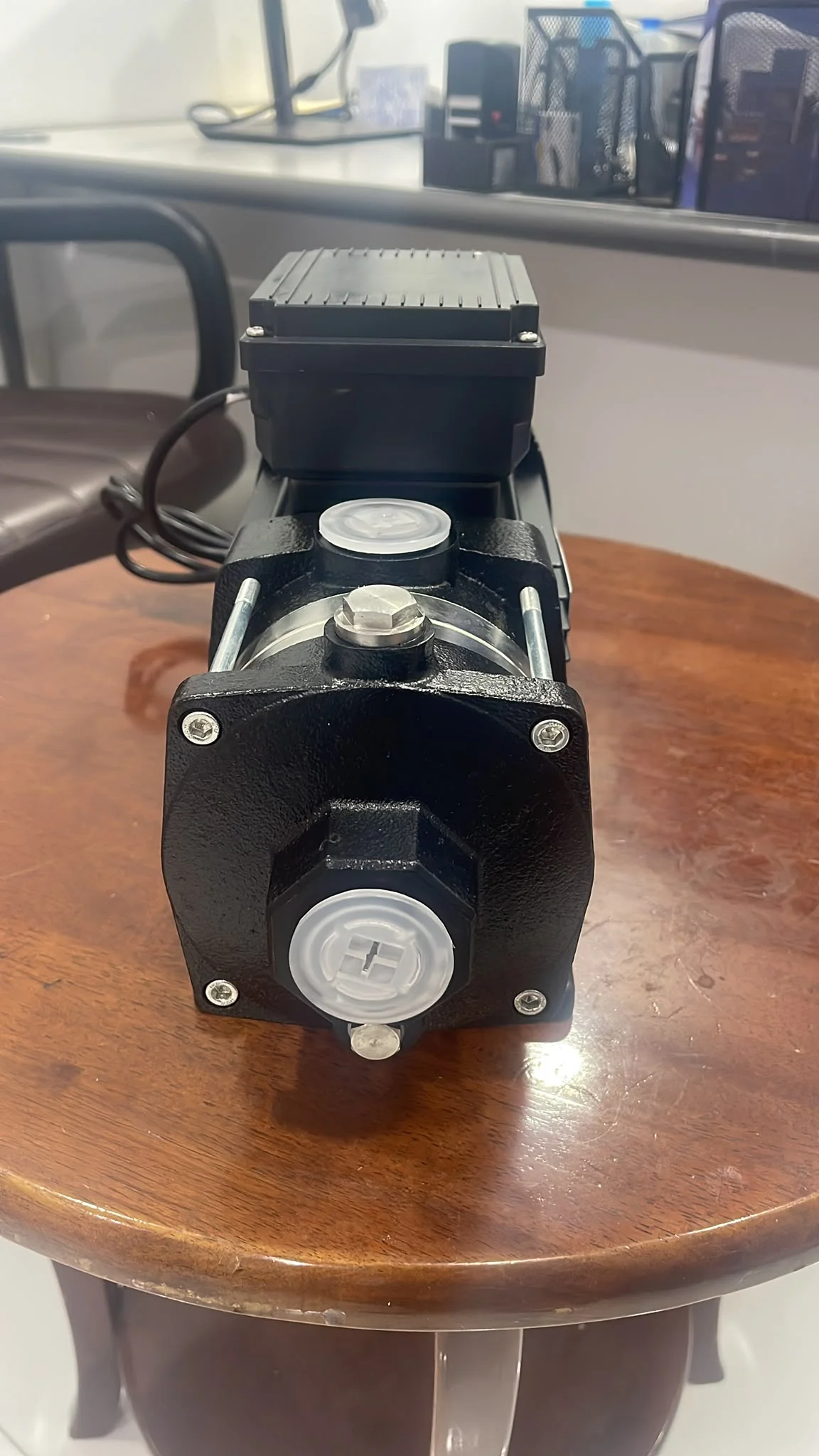
Low water pressure from the pump should be measured in two different operating conditions: static pressure and pressure while water is flowing. Static pressure is the reading when little or no water is being used. What actually matters during a shower, however, is the pressure while water is moving through the system.
You may see an excellent pressure reading when every tap is closed, but the moment two showers are opened the pressure collapses. That points toward limited flow capacity or excessive pressure loss under demand rather than simply a low pressure setting. On the other hand, if the pressure is low even when the system is almost at rest, the investigation should move toward the pump setting, inlet pressure, leakage, or another continuous restriction.
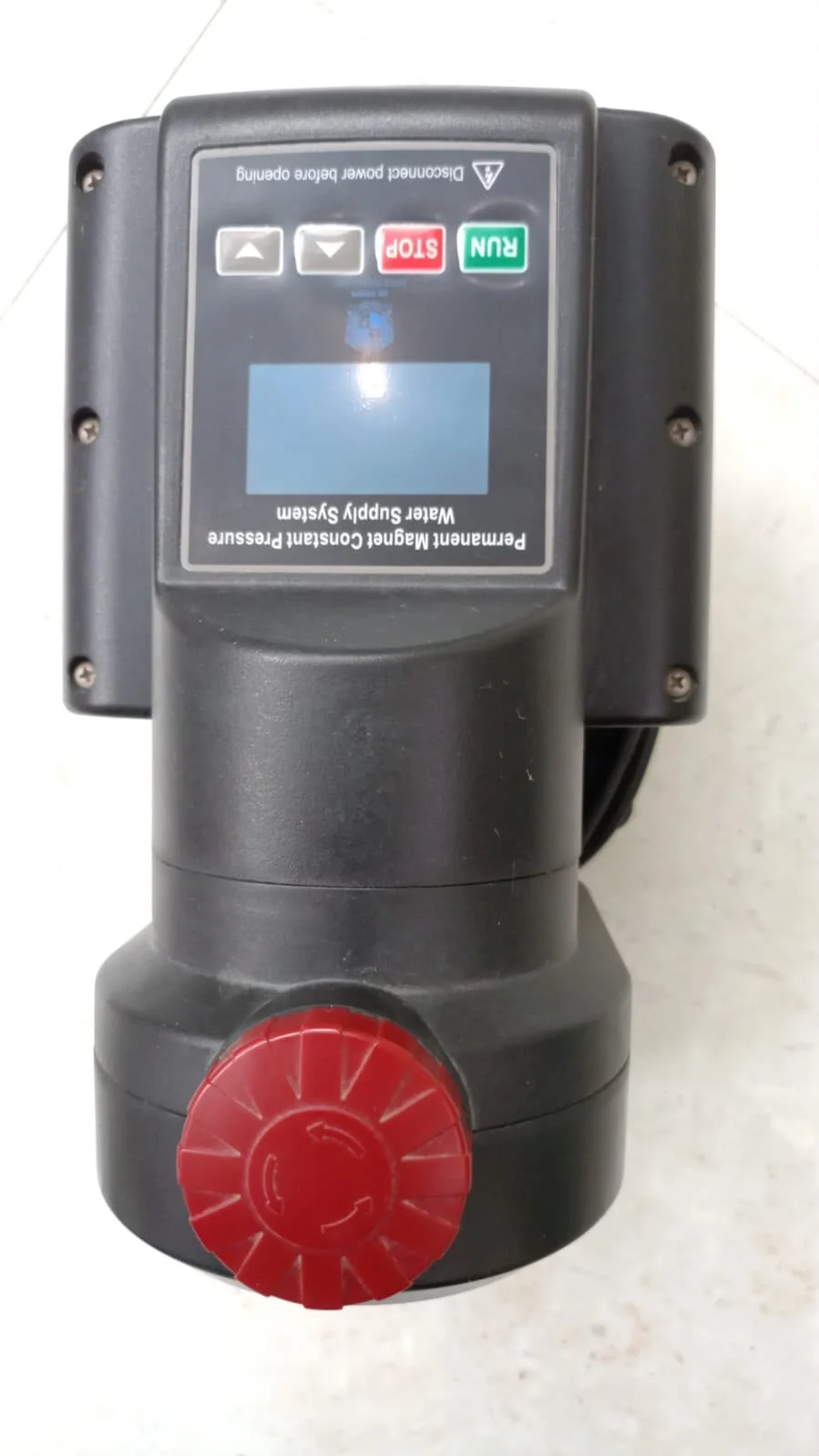
With smart pumps such as Grundfos SCALA2, the system can be set to maintain a specific target pressure. If the pressure setpoint itself is lower than what the customer expects, the user may complain of weak pressure while the pump is actually doing exactly what it was programmed to do. The control setting should therefore be checked before the pump is diagnosed as faulty.
However, increasing the pressure setting blindly is not a proper solution. A higher setpoint cannot create flow that is not available. It may also place unnecessary stress on the plumbing network. If the pump reaches the desired pressure with one fixture open but cannot maintain it when several fixtures are used, the system may simply be reaching the limits of the pump’s performance curve.
This is where pressure gauges become useful. Measuring once directly after the pump and again at a distant fixture under the same flow conditions can reveal whether the pressure is being lost inside the pump or farther along the network.
-
High static pressure does not guarantee strong performance during real water use because the problem may appear only when flow increases
-
Pressure collapsing when several fixtures are opened often points toward flow limitations or excessive network losses
-
A smart pump may simply be set to a pressure lower than the customer expects so control settings should be checked before assuming a fault
-
Increasing the pressure setting randomly will not correct a weak suction line clogged filter or a pump already operating at its maximum capacity
-
Pressure measurements during actual water use provide a much clearer picture than readings taken when there is almost no demand
Pump Does Not Provide Enough Pressure
If the pump does not provide enough pressure, begin with one question: can the pump reach the desired pressure when water demand is low? If it can, the problem is more likely related to capacity under higher demand. If it cannot reach the pressure even with only a small amount of flow, the diagnosis should focus more on suction conditions, restrictions, settings, or internal pump condition.
Possible causes of low pressure and flow include air in the suction line, low inlet pressure, a clogged strainer, blocked foot valve, internal obstruction, or excessive resistance in the plumbing network.
Consider a practical example. A home uses a pump drawing water from a ground-level storage tank. When the tank is full, pressure is acceptable. When the tank level drops, the pump becomes noisier and pressure weakens. That can point toward worsening suction conditions rather than simply a “weak motor.” If inlet pressure drops too much, the pump can begin experiencing cavitation.
Cavitation occurs when pressure inside the pump falls low enough for vapor bubbles to form and then collapse. This can create noise and eventually damage internal components. It is commonly associated with insufficient suction pressure at the required flow.
If you hear a rattling or gravel-like sound while pressure is also poor, do not immediately install a larger or faster pump. Check the suction conditions first: water level, pipe diameter, pipe length, number of elbows, and valve positions.
-
If the pump reaches pressure at low flow but loses it when demand rises compare actual household demand with the pump performance curve
-
If pressure is low even with minimal demand begin with suction conditions settings restrictions and pump condition
-
Low inlet pressure can reduce performance and produce noise or cavitation without the motor itself being the original problem
-
A long narrow suction line with many bends creates additional losses and reduces the conditions available at the pump inlet
-
Professional diagnosis compares the real operating point with the pump curve rather than using horsepower as the only measure of adequacy
Weak Water Flow in the Home
Weak water flow in the home can affect the entire property or only one area, and that difference is extremely important. If every bathroom and the kitchen are weak at the same time, focus on the water source, pump, and main supply line. If only one bathroom is weak, the pump may not be the problem at all.
A home plumbing network contains many places where pressure can be lost: filters, meters, valves, pressure regulators, mixers, shower heads, long pipe runs, and undersized pipe diameters. Each restriction may be relatively small on its own, but together they can create a large pressure drop by the time water reaches the farthest fixture.
Source pressure can also vary, and a tank installed at a low elevation may not provide enough natural pressure to supply every fixture without a properly designed booster system.
If the property uses a central water filter, pressure should be checked before and after the filter. A dirty filter creates resistance. The same applies to a pressure regulator that is adjusted too low or has developed a fault. If the problem appears mostly on the upper floor, elevation loss must also be added to the calculation.
Another important distinction is between pressure and flow. A tap may initially feel strong, but the network may still fail to supply enough water when several fixtures operate simultaneously. Customers often describe both situations simply as “low pressure,” so the technician needs to determine whether the problem is low pressure, insufficient flow, or both.
-
If the whole house is weak inspect the water source pump and main line before checking every individual tap
-
If only one fixture is weak inspect the mixer local strainer hose and shower head before replacing the main booster pump
-
Filters valves regulators and undersized pipes all create losses that can accumulate throughout the network
-
Upper floors require additional pressure to overcome elevation as well as friction losses in the pipework
-
Pressure and flow must be separated during diagnosis because the technical solution may be different even when the user experiences both as weak water
Diagnosing Weak Pump Pressure
Diagnosing weak pump pressure is best done through an ordered series of tests rather than replacing components one by one. The first step is to confirm the water source. Is there enough water in the tank? Smart booster pumps such as SCALA1 and SCALA2 include dry-running protection, and certain designs can operate from tanks with very low or even zero inlet pressure within their specified conditions.
The second step is inspecting the pump inlet. Is the valve fully open? Is the strainer clean? Are there bubbles or signs that the suction line is pulling air? When air enters the pump, the suction pipe, seals, and check valve should all be inspected carefully.
The third step is recording inlet and outlet pressure while one fixture is running and then while several fixtures are operating. The relationship between these readings helps show whether the pump is increasing pressure as expected or whether performance collapses as demand rises.
The fourth step is observing the operating cycle. Does the pump switch on and off every few seconds? Rapid cycling can be related to suction leakage, trapped air, a check-valve problem, or an incorrectly charged pressure tank in systems that use one.
The fifth step is inspecting the plumbing network after the pump. If pump outlet pressure is healthy but pressure at the end of the system is poor, opening the pump itself is the wrong next move. The pressure loss needs to be traced through the downstream network.
This sequence helps avoid one of the most expensive mistakes: installing a larger pump on a network that is already restricted. A bigger pump may produce more pressure before the restriction, but it does not remove the restriction itself.
-
Confirm that the water source is stable before judging pump performance
-
Inspect the suction line check valve and possible air leakage because air entry can significantly change pump output
-
Measure both inlet and outlet pressure while water is actually flowing instead of checking outlet pressure alone
-
Frequent start-stop cycling is a diagnostic symptom and should lead to checks of leakage check valves pressure tanks and controls
-
If pressure is strong immediately after the pump but weak at the fixtures the problem is more likely downstream in the plumbing network
Causes of Weak Pump Suction
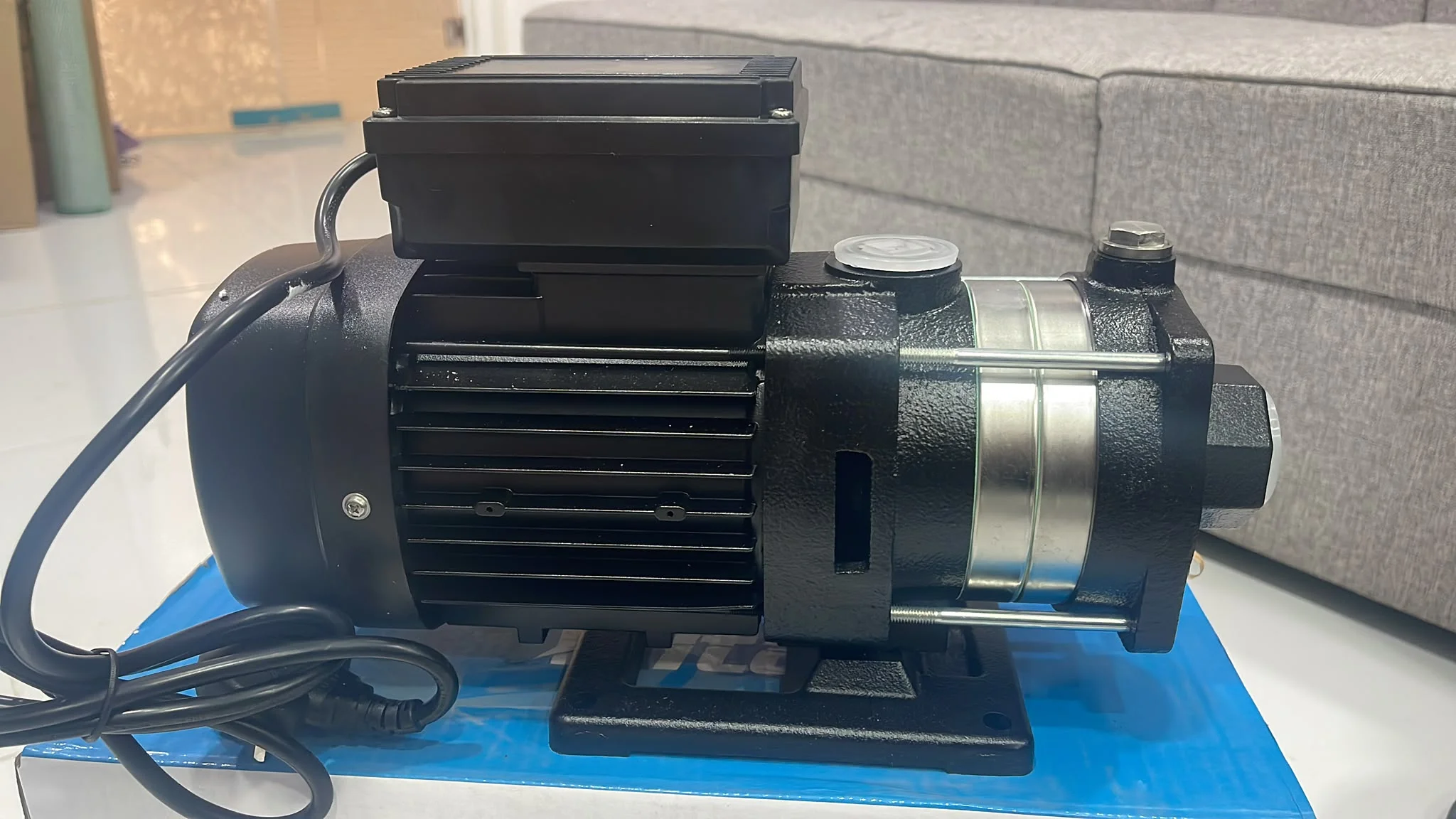
The causes of weak pump suction are different from weak discharge, and this is a distinction many people miss. A pump cannot push water strongly if it is not receiving enough water in the first place. Before saying “I need more horsepower,” make sure the suction line can actually supply the existing pump.
The most common causes include a low tank water level, air entering the suction line, poorly sealed joints, a clogged or faulty foot valve, a restricted check valve, or a suction pipe that is too small or too long. Air in the suction line, low inlet pressure, clogged strainers, blocked valves, and undersized suction piping can all reduce flow.
If the pump is a model that requires priming, it must be filled with water correctly before operation. With systems such as SCALA2, the pump should be primed before first startup, and opening a high fixture during commissioning can help remove trapped air from the system while leaks and unusual sounds are checked.
A suction leak can be difficult to identify because it does not always leak water outward. When the suction line operates below atmospheric pressure, a tiny opening may pull air inward without producing a visible water drip.
The physical route of the suction pipe can also matter. Pipe runs that rise and fall in a way that traps air can reduce performance, even when the pipe itself is not blocked.
-
Weak suction means the problem exists before or at the pump inlet so increasing motor power should not be the first response
-
A suction leak can draw air without showing any visible water leak making careful inspection necessary
-
Strainers check valves and foot valves should be inspected because they can restrict the amount of water reaching the pump
-
Suction-pipe diameter length and routing directly affect the amount of water available at higher flow rates
-
Any pump requiring priming should be filled and purged according to the exact model instructions before its performance is judged
Pump Runs but Pressure Is Weak
When the pump runs but pressure is weak, this is one of the most common situations that leads to unnecessary pump replacement. Since the motor is operating, the next question is whether the pump is failing to produce pressure or whether the pressure is being produced and then lost elsewhere in the network.
Begin by measuring pressure directly after the pump. If the reading is weak, investigate the suction side, internal impeller condition, pressure settings, and operating cycle. If the reading is good but the far side of the house remains weak, inspect the discharge piping, central filters, valves, pressure regulator, and pipe diameters.
A pump can run without delivering expected water because of blocked pipes, a check-valve problem, or an internal pump issue.
The pressure tank also deserves attention in traditional systems, as does the integrated tank in some smart systems. Incorrect air precharge does not always create permanently low pressure, but it can lead to pressure fluctuation, noise, and unhealthy cycling. For systems such as SCALA2, correct precharge is part of stable operation and should be checked periodically.
If the pump runs continuously but never reaches the target pressure, do not allow it to continue for hours without inspection. The system may have a major leak, a setpoint beyond the pump’s capability, or insufficient water entering the pump.
-
A running motor does not prove that the pump is producing the required pressure so outlet pressure should be measured directly
-
If outlet pressure is strong and distant fixtures are weak trace the downstream plumbing rather than replacing the pump
-
Pipe restrictions and check-valve problems can allow the pump to run while final flow remains poor
-
Pressure-tank settings influence pressure stability and cycling even when the pump motor itself is healthy
-
Continuous operation without reaching the target pressure requires prompt diagnosis to prevent prolonged stress on the pump
Fixing Low Water Pressure in a Villa
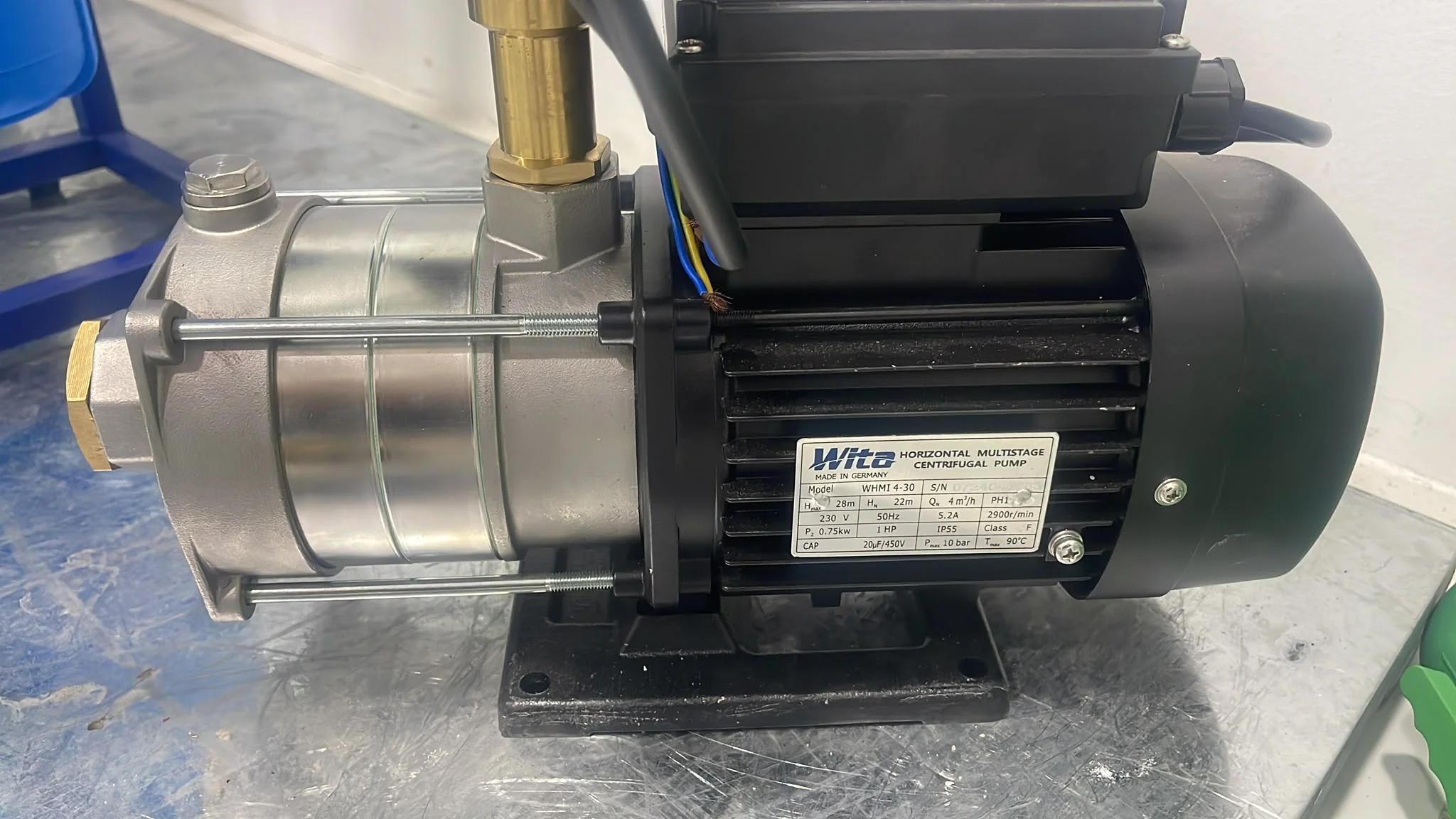
Fixing low water pressure in a villa should begin by dividing the property into different demand zones rather than treating the entire villa as one point. The ground floor may have excellent pressure while the upper floor is weak, or everything may work well until several bathrooms are used simultaneously. These details help distinguish between elevation loss, insufficient flow, and an incorrectly selected pump.
One useful measurement is pressure directly at the pump outlet. Another is pressure on the highest floor. A third is the reading with one fixture open. A fourth is the reading with several fixtures operating. These four readings show how much pressure is lost because of elevation and how much collapses when flow demand increases.
If pressure on the upper floor is acceptable with one tap but drops significantly when three fixtures are opened, the solution may be a pump with greater flow capacity or a properly selected variable-speed pressure system. Smart residential boosters such as SCALA are designed to maintain more stable pressure as demand changes, but the exact model still needs to be sized according to actual flow and pressure requirements.
If pressure is weak even on the ground floor, jumping immediately to a larger villa pump is not appropriate. Start with the tank, suction line, central filter, check valves, and main distribution pipe.
Large villas also need pipe sizing to be considered. A powerful pump connected to a main pipe that is too small can still lose a large amount of pressure at high flow. A central filter approaching the end of its service interval can also become a major restriction.
Sometimes the solution is not “2 HP instead of 1 HP.” It may be cleaning a filter, fully opening a valve, repairing a suction leak, correcting a pressure tank setting, or genuinely reselecting the pump after proper measurements.
-
Measure pressure on the ground floor upper floor and under both low and high demand to understand the shape of the problem
-
If pressure falls mainly when several fixtures are used focus on flow demand and the pump curve rather than static pressure alone
-
If every floor is weak inspect the water source suction line and central filter before increasing pump size
-
Long or undersized pipes create much greater losses at higher flow rates and can be a major part of villa pressure problems
-
A larger or smart pump becomes the correct solution only after confirming that the network itself is healthy and the real issue is insufficient capacity
Testing Water Pump Performance
Professional water pump performance testing should end with numbers rather than the statement “the pump is tired.” A useful report records inlet pressure, outlet pressure, pressure at the farthest fixture, operating behavior with one fixture, and performance with several fixtures, together with observations about suction conditions, noise, leakage, and control behavior.
If the pump is a traditional system with a pressure tank, the operating cycle and tank precharge should be checked according to the system requirements. If it is a smart pump, the settings and fault indications should be reviewed. Systems such as SCALA2 can provide warnings for conditions including leakage, lack of water, failure to reach the required pressure setpoint, or excessive pressure.
The technician should then look at the rate of pressure loss through the network. If the pressure directly after the pump is, for example, 3 bar and the reading at the farthest fixture is much lower under moderate flow, the investigation should focus on major downstream losses. This is only a diagnostic example and not a required pressure value for every home.
Pump noise is also part of the test. Unusual noise combined with poor suction can point toward inadequate inlet conditions or cavitation. However, not every sound means internal pump damage. Sometimes the pipework itself transfers and amplifies normal pump vibration through the building.
Finally, all measurements should be compared with the specifications of the exact pump model. If the pump is performing close to its design but the household demands more water than the system can supply, this is a capacity-selection problem, not simply a weak pump. If output is clearly below expected performance while suction and the downstream network are healthy, then repair or replacement has a stronger technical basis.
-
A useful pump-performance report contains measured pressure and operating data instead of relying on general impressions
-
Smart pump settings and warnings are part of the inspection because they can identify lack of water leakage or failure to reach the target pressure
-
A large difference between pump outlet pressure and distant fixture pressure points toward network losses rather than immediate internal pump failure
-
Noise together with poor suction can indicate inadequate inlet conditions or cavitation rather than simply an old motor
-
Contact Al Arabi Orchid on 99346138 and request measured performance testing before approving pump replacement so you know whether the real problem is the pump or the network
Conclusion
When asking “Water pump weak? How do you identify the cause of low water pressure?”, the best answer is not “install a larger pump.” The correct approach is to determine exactly where pressure is being lost.
Start at the water source. Is there enough water in the tank? Is the suction line open and free from air leaks? Then measure pressure at the pump. After that, follow the system downstream to the farthest fixture. Common causes of poor pressure or reduced flow include air in the suction line, low inlet pressure, restrictions, check-valve problems, suction issues, and excessive resistance in the plumbing network. Cavitation can also develop when suction conditions do not provide adequate inlet pressure.
Next, examine the pattern of the problem. If pressure is weak everywhere even with one fixture open, you have one diagnostic direction. If pressure is good with one fixture but collapses when several bathrooms operate, you have another. If only one bathroom is weak, the main booster pump may be completely healthy.
In systems using a pressure tank, correct precharge also affects stable operation. Improper adjustment can contribute to pressure fluctuation, noise, and unhealthy operating cycles.
If you want a diagnostic visit from Al Arabi Orchid, contact 99346138 and explain whether the weakness affects the entire property or appears only when several fixtures are used, whether the pump cycles rapidly, and whether there is unusual suction noise or air. Ask for inlet pressure, outlet pressure, pressure at the farthest fixture, suction-line inspection, filter inspection, check-valve testing, and pressure-tank evaluation before approving pump replacement. This way, the solution is based on a clearly identified cause rather than paying for a larger pump that may change nothing.
Frequently Asked Questions
Why did my water pump suddenly become weak after working well?
A sudden change should first lead to checks for a clogged filter, a valve that has changed position, a check-valve problem, a suction leak, or a control issue. Internal pump damage is possible, but it is not the only explanation.
Does low pressure mean the pump must be replaced?
No. Reduced flow can be caused by air in the suction line, low inlet pressure, clogged strainers or valves, impeller restrictions, or problems elsewhere in the network. Pump replacement should come only after these possibilities are checked.
Why is pressure strong with one tap but weak with two?
This commonly means the system can maintain pressure at low flow but cannot keep up when water demand increases, or that pressure losses in the pipe network become much larger at higher flow. The required flow should be compared with the pump curve and network losses.
Can a central filter cause low water pressure?
Yes. A heavily restricted filter or an exhausted cartridge can create a noticeable pressure drop. If pressure before the filter is good and falls significantly after it during flow, the filter becomes a strong suspect.
What are the symptoms of weak pump suction?
Possible signs include reduced flow, unusual noise, air entering the system, difficulty maintaining pressure, and in some situations cavitation. Insufficient inlet pressure can lead to noise, poor performance, and eventual damage if the condition continues.
Can a check valve cause weak pump performance?
Yes. A faulty or restricted check valve can interfere with suction or flow and may also contribute to rapid cycling in certain systems. It should be included in the diagnostic process.
Can the pressure tank cause low or unstable pressure?
Incorrect pressure-tank precharge or internal failure can contribute to pressure fluctuation, rapid cycling, and noise. Pressure-tank setup should be checked according to the specific system requirements.
Will installing a 2 HP pump solve low pressure in a villa?
Not necessarily. If the real cause is a clogged filter, weak suction line, or undersized plumbing, increasing horsepower will not solve the root problem. Pump size should be selected only after calculating flow, pressure, elevation, and network losses.
How can I tell whether the problem is the pump or the pipes?
Measure pressure directly after the pump and then at a distant fixture under the same operating conditions. If pump outlet pressure is low, focus on the pump and suction side. If pump outlet pressure is good but the distant point is weak, trace losses through filters, valves, and pipework.
How do I request a weak water pump inspection from Al Arabi Orchid?
Contact 99346138 and provide the number of floors and bathrooms, whether the problem affects the whole property or mainly appears when several fixtures operate, and whether the pump makes unusual noise or cycles frequently. Request an inspection that includes inlet pressure, outlet pressure, suction-line condition, check valve, filters, pressure tank, controls, and pressure measurement at the farthest fixture before deciding whether the pump needs repair or replacement.