When your water pump suddenly becomes louder after operating normally for a long time, the noise should not be treated as nothing more than an inconvenience. The type of sound and the moment it appears can give the first useful clue during diagnosis. A humming noise without rotation is different from continuous vibration, and knocking during startup is different from a gravel-like sound coming from inside the pump. The cause may be trapped air, cavitation, an obstructed impeller, worn bearings, poor mounting, pipe vibration, or a problem inside the motor itself. The important point is not to replace the pump before identifying the actual source of the noise. Al Arabi Orchid provides Grundfos pump installation and maintenance services in Kuwait on 99346138, but proper inspection should begin by describing the sound, identifying where it comes from, noting when it appears, and then checking pump and plumbing performance.
Water Pump Is Making a Loud Noise
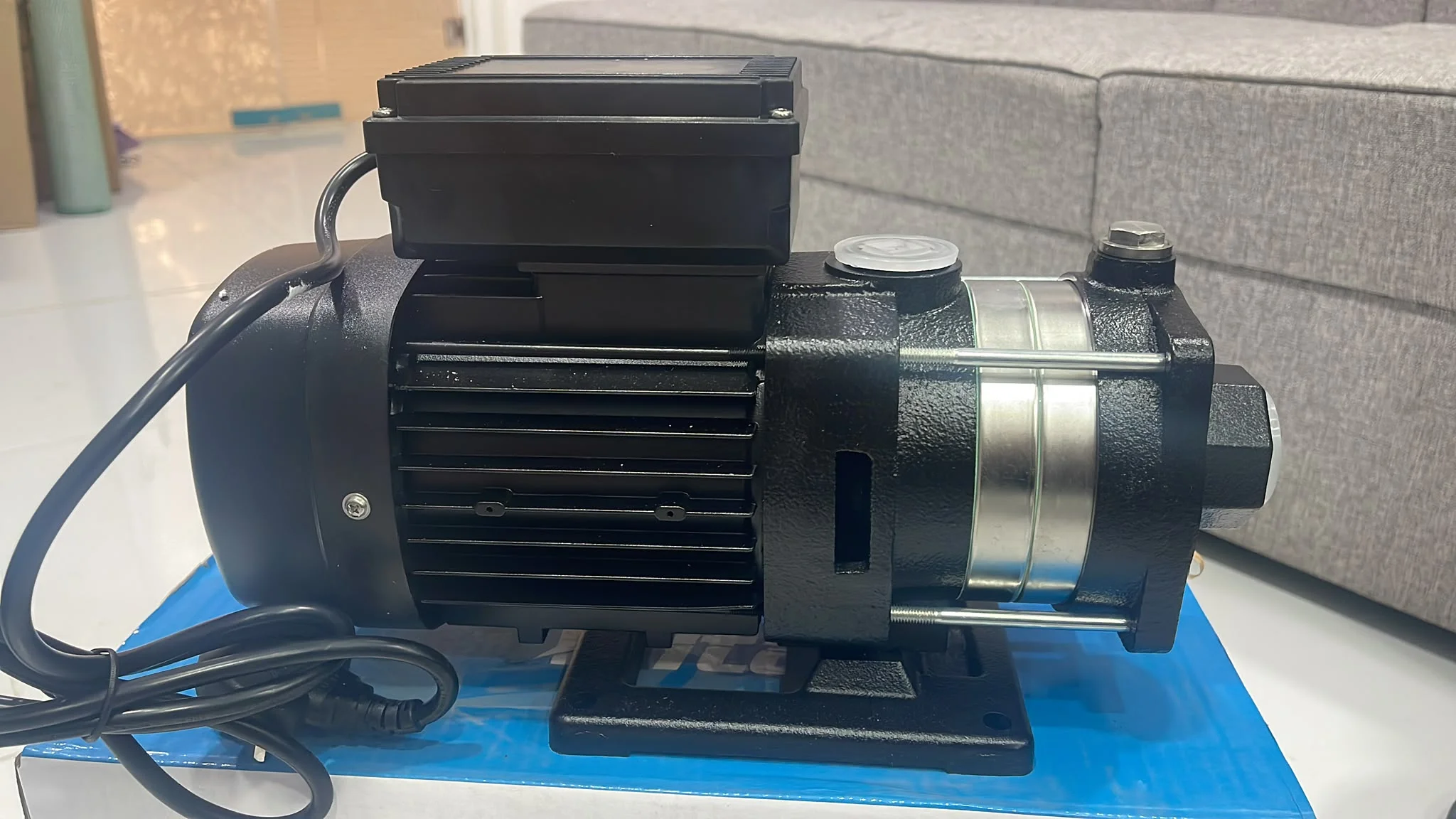
If your water pump is making a loud noise, the first step is not trying to identify the failed component from the sound alone. Start by comparing the current operating condition with how the same pump behaved previously. A pump that has always produced a consistent normal sound since installation is different from a pump that used to be quiet and suddenly begins vibrating, grinding, or rattling. The change itself has greater diagnostic value.
The location of the sound is also important. A customer may say, “the pump is very noisy,” but when a technician approaches the system, the strongest sound may actually be coming from the piping or mounting base rather than from the motor itself. Pump noise can be produced by vibration in the pump body and piping, and that vibration can travel through the building structure and become audible elsewhere. In simple terms, the pump itself may not be the source of all the noise you hear inside the property.
This is why diagnosis begins by answering three questions. First: when does the noise appear? Does it happen only during startup, continue throughout operation, or occur as the pump stops? Second: where is it loudest? At the motor, pump housing, suction line, discharge line, or pipes inside the house? Third: what happens to water pressure while the noise is present? Does pressure remain stable, fall, or fluctuate?
If the sound resembles gravel moving or rapid cracking inside the pump housing, cavitation becomes an important possibility. Cavitation noise can begin as crackling and develop into strong rattling as the condition becomes more severe. Cavitation can also cause vibration, lower performance, and eventually mechanical damage to the impeller, bearings, and seals.
If the noise is more like a metallic vibration transmitted into the floor or wall, mounting, alignment, and pipe support should be inspected. A blocked impeller, trapped air inside the pump, or a pump that is not securely mounted can all create vibration and abnormal noise.
On the other hand, if there is an electrical humming sound but the motor is not turning, the diagnostic direction changes because the problem may involve motor starting or a mechanical obstruction preventing shaft rotation.
-
A new sound appearing after a long period of quiet operation is usually more diagnostically important than a stable sound that has existed since installation
-
Identifying whether the noise comes from the pump body piping or mounting base prevents replacing internal parts when the real source is outside the pump
-
A gravel-like or crackling sound directs inspection toward suction conditions and cavitation before blaming the motor
-
Vibration transmitted through floors or walls should lead to inspection of mounting piping and alignment before dismantling the pump
-
If the noise becomes louder while water pressure also drops the diagnosis should include hydraulic performance and not the sound alone
Causes of Loud Water Pump Noise
There are many causes of loud water pump noise, so the best approach is to divide them into hydraulic, mechanical, installation-related, and control-related causes.
The first group is hydraulic causes. One of the most common is cavitation. It occurs when pressure at the impeller inlet drops too low, allowing vapor bubbles to form and then collapse when they move into a higher-pressure area. Cavitation raises pump noise, makes operation rough, and can reduce head and efficiency before severe physical damage becomes visible.
What can create poor suction conditions? The suction line may be too long or too narrow, partially blocked, or connected through a valve that is not fully open. Water level may be too low, or air may be entering through a fitting. Low inlet pressure, air on the suction side, an unbalanced or blocked impeller, and worn internal components can all contribute to noisy and unstable pump operation.
The second group is mechanical causes. Worn bearings may produce rattling, grinding, or increasing roughness. Excessive bearing wear can create vibration and noise and in severe situations may move the decision from repair toward replacement. However, not every rattling sound means the bearings have failed because trapped air, blockage, and poor system matching can create similar symptoms.
The impeller itself may be obstructed or out of balance. If debris or deposits become trapped inside the impeller, rotation becomes less balanced and may produce vibration together with weaker performance. Impeller blockage is a recognized cause of pump noise and vibration.
The third group is installation problems. An unstable base, loose bracket, or pipe putting mechanical stress on the pump housing can amplify what would otherwise be a small normal vibration. Pump behavior is also influenced by its operating point, and operating too far away from the intended design point can increase poor flow conditions, vibration, and noise.
The fourth group is control-related operation. A pump that starts and stops every few seconds may produce repetitive noise that sounds like a motor fault, while the actual cause could be a pressure tank problem, leakage, or incorrect pressure-control settings. This type of problem requires inspection of the operating cycle rather than the sound alone.
-
Hydraulic causes are often accompanied by changes in water pressure or flow in addition to noise
-
Mechanical causes such as bearings and impeller faults should be confirmed by inspection because trapped air and blockage can produce similar sounds
-
Poor mounting can amplify noise even when the pump itself has no major internal damage
-
Operating the pump far from its correct duty point can increase vibration and noise even when the internal components remain healthy
-
A good technician classifies the cause first and then opens only the area supported by evidence instead of dismantling the entire pump immediately
The Pump Is Making a Humming Noise
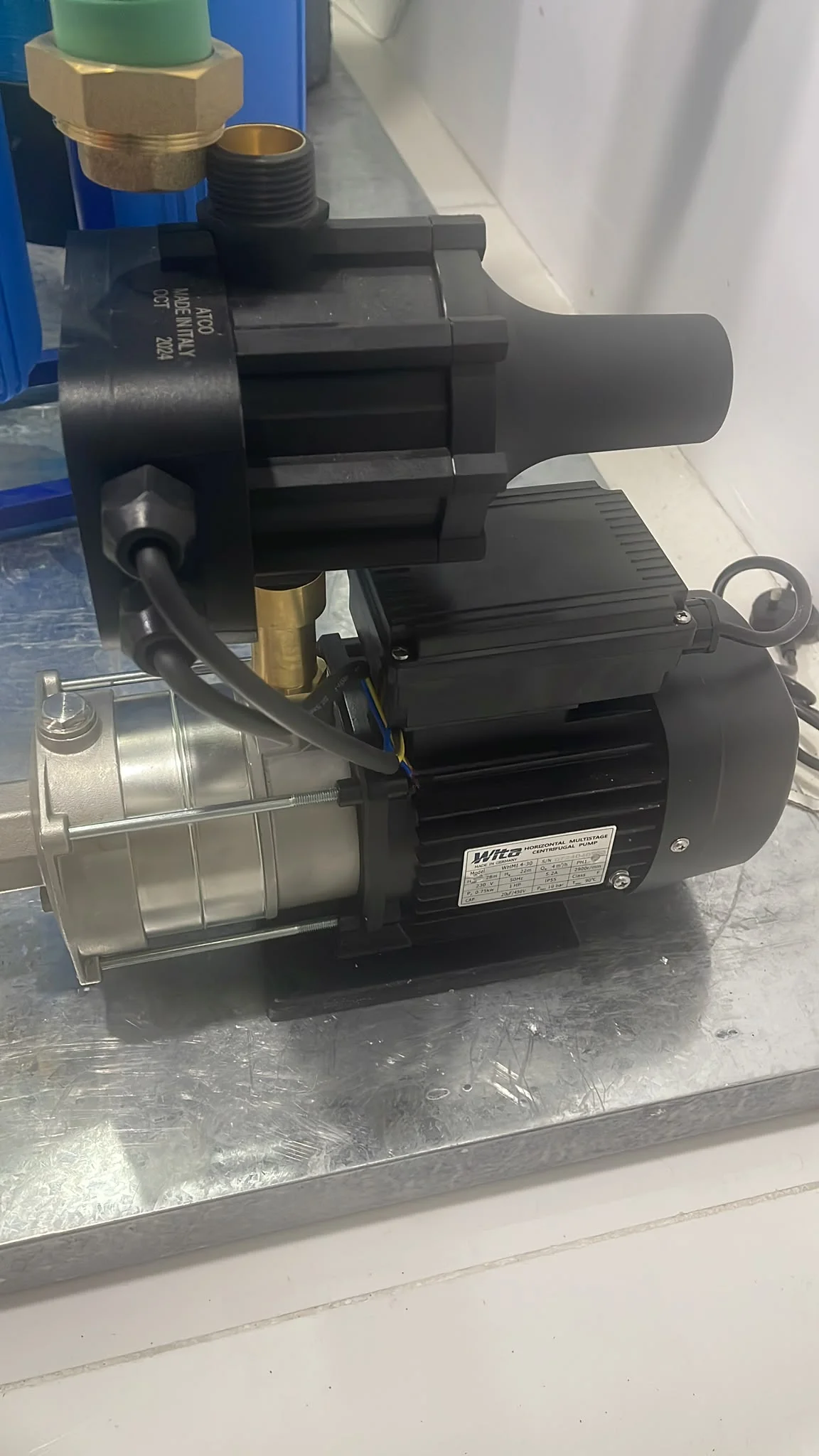
When the pump is making a humming noise, the first question should be whether the pump is actually rotating or whether you hear humming while the shaft remains stationary.
If the motor hums but does not start rotating, this is different from a loud operating sound. There may be an obstruction preventing the impeller or shaft from moving, a motor-starting problem, a capacitor fault depending on pump design, low supply voltage, or an internal motor problem. In some pump designs, a motor that hums but does not run can be associated with a jammed impeller, hydraulic blockage, motor failure, or capacitor failure. The humming sound by itself does not identify one specific component.
If the motor rotates normally but has developed a new humming tone, then bearings, vibration, installation position, and air in the system should be reviewed. Air inside some circulation systems can create abnormal noise and should be removed according to the pump design.
The difference matters because allowing a motor to continue humming without actually rotating can cause overheating. Repeatedly trying to restart it in the hope that it will eventually “free itself” is not a proper repair method. If the humming continues and the pump cannot start normally, it should be stopped and inspected for free shaft movement, power supply condition, and starting components.
In residential installations, customers sometimes hear humming more clearly at night simply because the surrounding environment is quieter, not because the problem has become worse. To determine whether there has been an actual change, ask: is the noise new? Is the pump running hotter? Has startup become slower? Has water pressure changed? If all operating conditions remain normal and the sound has always been present, the diagnosis is different from a pump that suddenly develops humming after years of service.
For example, imagine a pump that starts whenever a faucet opens, but for the first two seconds you hear a strong “hmmm” before the shaft begins moving. The technician should observe startup time, check operating voltage, and examine shaft movement if the design allows safe inspection. If this behavior is new after years of normal starts, deterioration is more likely than in a pump that has always started with the same sound.
-
Humming with no pump rotation needs prompt inspection because the problem may be electrical or mechanical and may prevent the motor from starting
-
Humming while the pump rotates normally should be compared with the old operating sound and checked for trapped air bearing wear and mounting issues
-
Repeatedly trying to start a motor that cannot rotate is not a repair method and may increase heat and electrical stress
-
The capacitor is one possible cause in some pump designs but it is not a universal diagnosis for every model
-
If humming appears together with a burning smell or unusual heat stop the pump and request a qualified technician
Water Pump Vibration Noise
Water pump vibration noise is often heard far away from the pump itself because vibration travels through the mounting base, pipes, walls, and floors. This is why the difference between “the pump is vibrating” and “the whole house can hear the vibration” matters.
Start with the mounting base. Is the pump securely installed on a level, stable surface? Are mounting bolts loose? Is a metal bracket touching the building structure and transferring vibration directly into the wall or floor? An unstable pump or poor mounting is a recognized cause of vibration and noise and should be corrected before assuming internal failure.
Then inspect the piping. If the pipes are poorly supported or place mechanical stress on the pump housing, vibration can travel through the entire plumbing network. Pump and pipe vibration is responsible for a large part of the noise heard in pumping systems.
If the mounting is stable but the pump body itself vibrates much more than before, internal causes should be considered. The impeller may be blocked, unbalanced, or affected by debris. Impeller blockage is one known cause of abnormal vibration and noise.
Cavitation can also cause vibration. Vibration is one of the common signs of cavitation and may be one of the first symptoms noticed. If cavitation continues, it can affect the shaft, bearings, seals, and impeller.
In other cases, the pump may be operating far away from its intended duty point. Running far from the design operating point can produce undesirable flow conditions that result in mechanical vibration, noise, and cavitation.
How can the technician separate these causes? One useful method is comparing vibration at low water demand with vibration when several outlets are open. If vibration rises strongly as flow increases, hydraulic conditions become more suspicious. If vibration remains almost the same under different flow conditions and closely follows motor speed, mechanical condition or mounting deserves more attention.
-
Vibration transmitted into pipes walls and floors requires inspection of the piping and mounting system rather than immediately dismantling the motor
-
If mounting bolts and the base are secure the next checks should include the impeller bearings and hydraulic operating conditions
-
Vibration combined with a gravel-like noise increases the likelihood of cavitation more than a stable silent vibration
-
Changes in vibration as water demand changes help distinguish hydraulic problems from purely mechanical ones
-
Fixing the source of vibration is more important than simply adding sound insulation because insulation can hide the symptom while the cause continues
Knocking Sound in the Water Pump
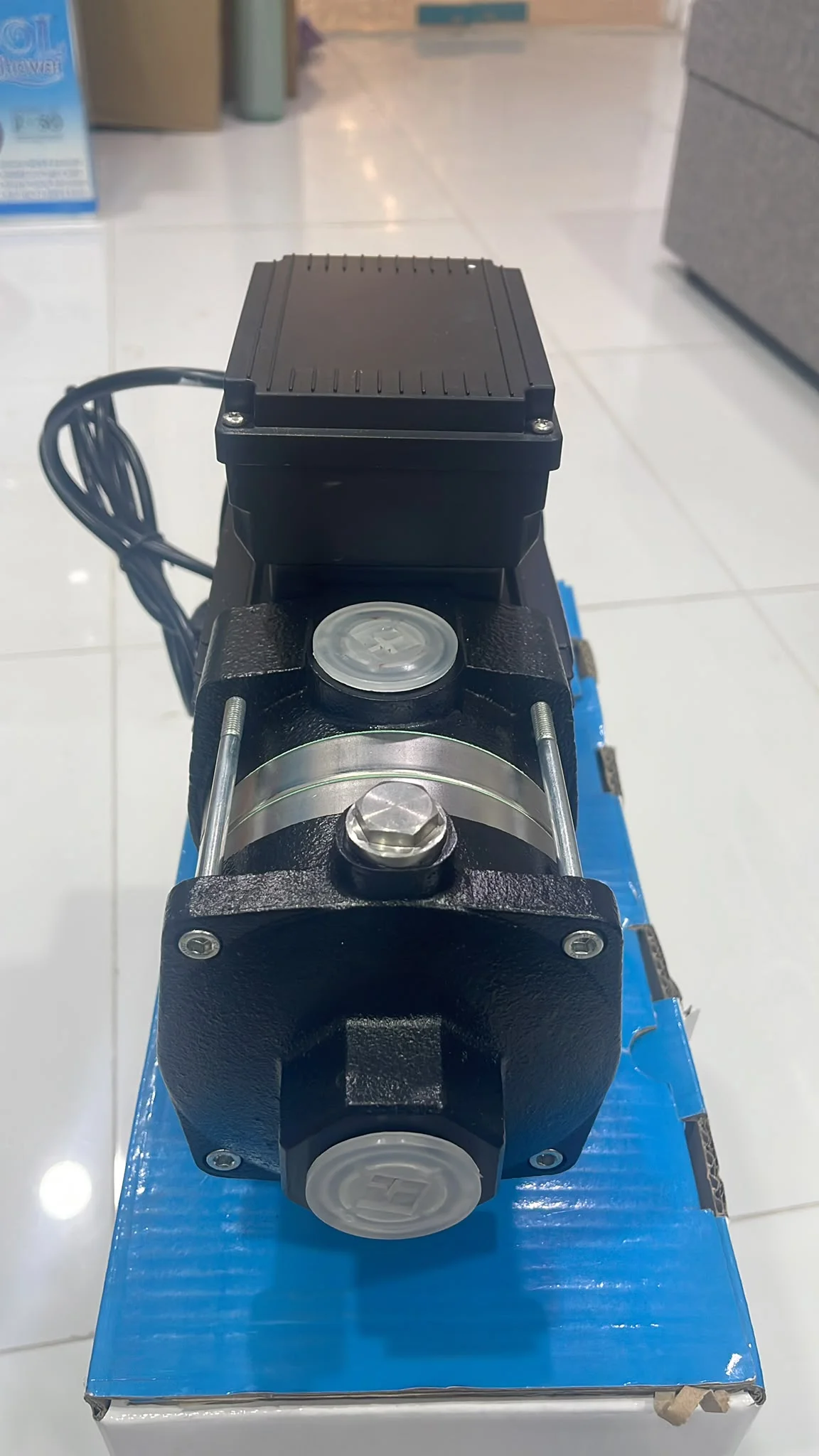
A knocking sound in the water pump needs accurate timing. Does the knocking come from the pump housing while it runs, or from the pipes at the moment the pump starts or stops?
If you hear one strong knock or several sharp knocks inside the pipes when the pump stops or when a valve closes quickly, the problem may be water hammer. Water hammer is a sudden pressure rise caused by a rapid change in water velocity and is often accompanied by a noise that sounds as if the pipes are being hit with a hammer.
This distinction is very important because a customer may ask for “motor repair” when the motor is not the source of the knocking at all. The actual problem can be the movement of the water column, valve behavior, or how quickly flow starts and stops.
Water hammer can place mechanical stress on piping and valves and may cause damage if it is severe. Depending on the application, solutions can include smoother pressure buildup, pressure tanks, surge-control devices, or other hydraulic measures. The correct solution should follow diagnosis of the plumbing network rather than installing a random component.
If the knocking occurs inside the pump continuously while it runs, the possibilities are different. A foreign object may be contacting the impeller, a rotating part may be loose, bearings may be badly worn, or advanced cavitation may create strong rattling. As cavitation becomes more severe, the sound can progress from crackling to noticeable rattling.
Timing is the key. A knock when water flow stops suggests inspection of pressure surges. Continuous internal knocking while the motor is operating suggests inspection of the pump itself. A sound that occurs only when several faucets close quickly points more toward hydraulic pressure behavior.
If the knocking is strong and is accompanied by visible pipe movement or leakage, it should not be ignored because hydraulic shock is not only a noise problem.
-
Knocking that appears when water starts or stops directs inspection toward water hammer valves and piping
-
Continuous knocking inside the pump housing directs inspection toward the impeller bearings rotating parts and cavitation
-
The timing of the knock is often more useful than its loudness when determining whether the source is hydraulic or mechanical
-
Solving water hammer requires understanding the cause and location of the pressure shock rather than installing a random device
-
If knocking is accompanied by leakage or strong pipe movement stop using the system and request inspection before the problem becomes worse
Water Pump Is Noisy During Operation
When a water pump is noisy during operation all the time but does not produce a distinct knocking or humming sound, you need to determine whether the noise is part of the normal design or a sign that the system is operating under unsuitable conditions.
Some pump technologies are naturally louder than others. Noise level is an important consideration when choosing domestic booster pumps, especially if the pump will be installed inside the house or near occupied rooms. Some jet pumps are naturally louder than modern booster solutions designed for quieter residential operation. This means comparing two pumps should include design and noise characteristics rather than horsepower alone.
If the sound has been stable from the first day of installation and performance remains excellent, the problem may be pump location rather than mechanical damage. A naturally louder pump mounted directly behind a bedroom wall may be annoying even while operating perfectly.
If the noise has increased over time, inspection becomes more important. Air inside the system can cause noise. Blockage can also increase noise. Worn bearings can create roughness and vibration.
Pump sizing should also be reviewed. A pump that is oversized or undersized for the actual system may operate under unsuitable conditions and produce more noise. This is another reason why “the biggest pump” is not automatically the quietest or best choice.
In practical terms, if you are thinking about replacing the pump only because it is noisy, do not buy a replacement until the source of the noise is confirmed. You might replace the entire pump and later discover that the pipes still transfer vibration or that water hammer is the real issue.
Al Arabi Orchid currently advertises Grundfos pump installation and maintenance services across Kuwait, which means the pump and its installation location can be assessed together rather than treating the unit as completely separate from the water network.
-
A pump that has always been naturally loud may need evaluation of its location and vibration isolation rather than being treated as faulty
-
Noise that increases over time is different from stable noise that has existed since installation and deserves mechanical and hydraulic inspection
-
Choosing a lower-noise pump model matters when the unit is installed indoors or close to bedrooms
-
Higher horsepower does not automatically mean better comfort because an incorrectly sized pump may create more noise
-
Before replacing a noisy pump make sure the real source is not piping vibration mounting or water hammer
Diagnosing Water Pump Noise
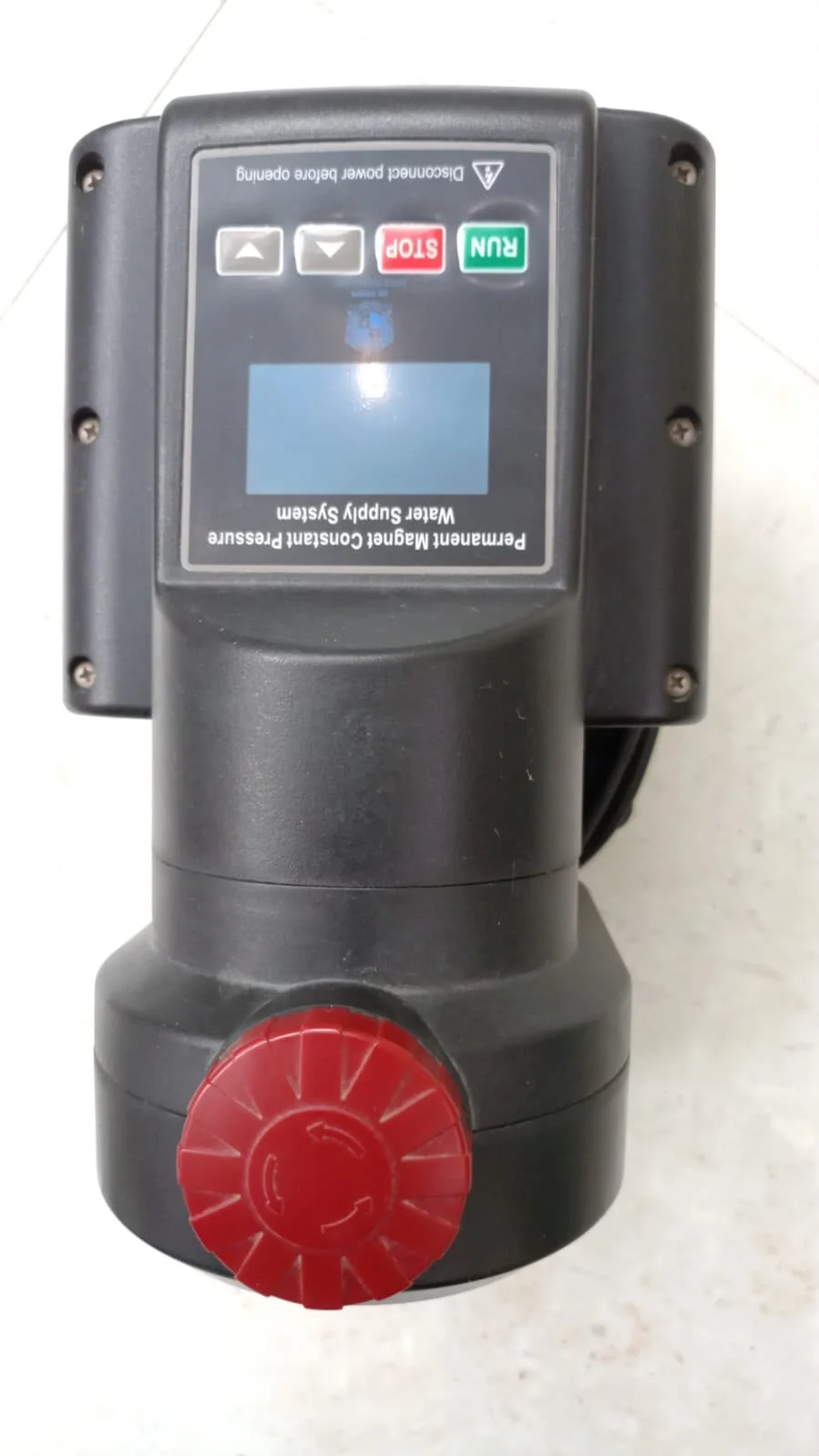
Diagnosing water pump noise is best handled as a decision map rather than listening for one minute and immediately making a judgment.
Step 1: Record the type of sound.
Humming
Vibration
Knocking
Grinding
Whistling
Gravel-like crackling
Step 2: Record when it occurs.
Before the motor rotates
During startup
Throughout operation
When water demand increases
During shutdown
Step 3: Identify where it is loudest.
Motor
Pump housing
Suction line
Discharge line
Pipes inside the house
Pump base
Only after that should testing begin.
If the noise sounds like cracking or gravel and is accompanied by a drop in flow or head, suction conditions should be checked for cavitation. Cavitation is associated with noise, vibration, and declining pump performance.
If there is strong vibration together with unstable flow, the impeller, trapped air, mounting, and suction side should be inspected. Impeller blockage, trapped air, and unstable mounting are all known causes of noisy pump operation.
If there is humming without shaft rotation, free movement should be checked first, followed by motor-starting components and electrical supply according to the pump model by a qualified technician.
If knocking occurs during shutdown, water hammer, pressure tanks, check valves, and the stopping method should be reviewed according to the plumbing design. A rapid change in water velocity can create a pressure wave that sounds like knocking inside the pipes.
The technician should then compare pressure and flow with the noise. If pressure remains excellent and the noise clearly comes only from the mounting base, that is a different diagnostic path from a pump where loud noise is accompanied by a major drop in pressure.
Finally, review the history. Did the problem begin after replacing a tank, installing a new valve, modifying a pipe, or changing the pump? This information can eliminate a large part of the diagnostic search.
-
The sound name alone is not enough so record when it appears where it is loudest and what happens to water pressure at the same time
-
Connecting noise with flow and pressure measurements helps separate structural noise from a real performance problem
-
Any plumbing modification carried out before the noise started should be included among the first diagnostic questions
-
A technician does not need to begin by dismantling the pump if external inspection proves the source is the piping or a valve
-
The best diagnosis ends with a specific cause and a test that supports it rather than a vague statement that the motor is tired
Water Pump Motor Sounds Abnormal
When the water pump motor sounds abnormal, the technician needs to separate electrical noise from mechanical noise. The motor itself may be healthy while the sound is actually caused by the load connected to it.
If the sound becomes a strong hum with difficult startup, the technician should review supply voltage, starting components, the capacitor if the model uses one, and whether the shaft can rotate freely. In some pump designs, a motor that hums but does not operate can be related to a jammed impeller, hydraulic blockage, a motor fault, or a capacitor fault. The final diagnosis still depends on the exact pump model.
If the sound is a rough grinding noise synchronized with motor speed, bearings become a stronger possibility. Excessive bearing wear can cause rattling and rough mechanical noise in certain pump types.
If the sound changes as faucets are opened and closed, the source may not be inside the motor at all. The changing hydraulic load may be causing vibration at different operating points.
If there is noise together with high temperature and repeated protective shutdown, the solution is not to keep restarting the pump. Thermal protection exists to prevent continued abnormal operation. The load, impeller, voltage, and motor condition should be inspected by a qualified technician.
A burning smell, discolored wires, or visible sparking are not symptoms for household troubleshooting. In that situation, the pump should be disconnected and a qualified pump technician or electrician should inspect it.
It is also important to understand that motor sound should not be judged by comparing two completely different brands or motor designs. Different motors can naturally have different operating tones. Diagnosis should be based on changes in the sound of the same unit and on actual electrical and mechanical measurements.
-
Humming without motor rotation is completely different from a motor that hums while rotating normally
-
Roughness synchronized with rotational speed directs attention more strongly toward bearings and rotating components
-
Noise that changes with water demand means hydraulic load should be included in the diagnosis
-
Repeated thermal shutdown together with abnormal noise requires inspection instead of restarting the pump again and again
-
A burning smell sparking or unusual heat is enough reason to stop the pump and request a qualified technician
Solving a Loud Water Pump Problem
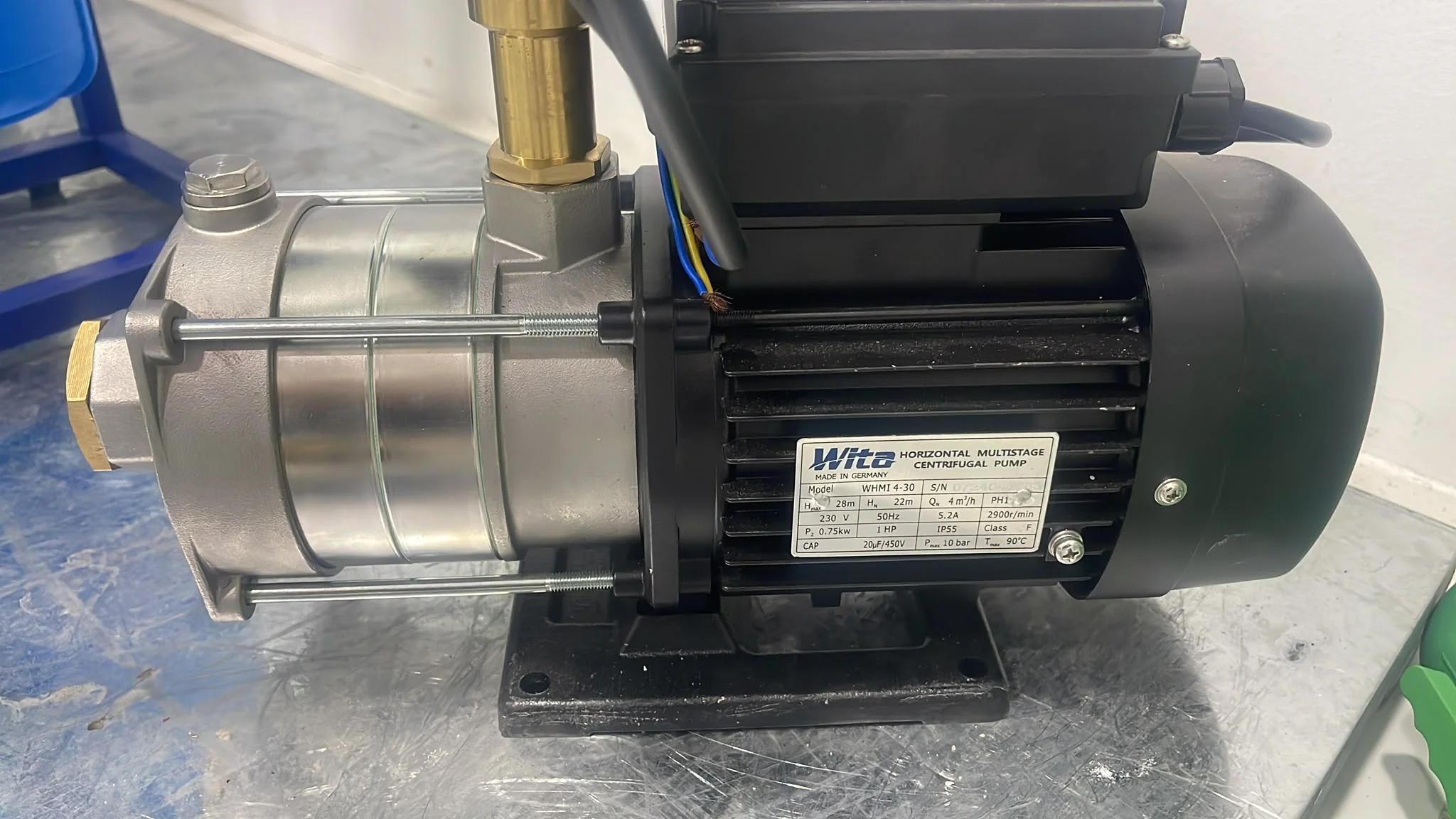
Solving a loud water pump problem does not mean placing rubber under every pump or replacing bearings for every noise. The solution depends on the proven source.
If the cause is air inside the system, the source of air entry should be corrected and the system should be vented according to the pump type. Trapped air is a recognized cause of pump noise.
If the cause is cavitation, the noise itself is not the real problem. Suction conditions need to be corrected. Water level, suction valves, pipe diameter and length, pressure losses, partial blockage, and pump operating point all need to be reviewed. Persistent cavitation can damage the impeller, bearings, and seals rather than simply making noise.
If the cause is a blocked impeller, the impeller should be cleaned and inspected for balance and damage. Removing debris can solve noise and vibration when blockage is the actual cause, but impeller cleaning is not a universal solution for every noisy pump.
If the cause is worn bearings, repairability should be evaluated according to pump design and the condition of the remaining components. Complete pump replacement should not be recommended automatically unless the design or severity of wear makes replacement technically or economically more suitable.
If the cause is a vibrating base or piping, the mounting and supports should be corrected. Simply covering the sound without repairing the mounting hides the symptom instead of solving the source.
If the cause is water hammer, the hydraulic shock should be addressed according to the network design. This may include changing pressure buildup, reviewing valve behavior, or installing an appropriate surge-control device when technically justified. Water hammer is a plumbing-system problem and is not solved by replacing the pump motor.
If the problem is incorrect pump selection, the solution may involve changing the operating point or replacing the pump with a correctly sized model rather than repeatedly trying to eliminate noise caused by operation outside the appropriate range.
Another common mistake is enclosing the pump inside a completely sealed soundproof box. This can interfere with ventilation on some motors and create an overheating problem. Any sound-control measure should preserve ventilation and service-access requirements for the exact pump model.
-
Treat the cause of the noise rather than the sound itself because reducing noise does not prevent damage when the real problem is cavitation or bearing wear
-
Impeller cleaning only helps when blockage is actually the cause and should not be treated as a general repair for every noisy pump
-
Correcting pump and pipe mounting solves structural vibration at the source instead of simply moving the noise somewhere else
-
Water hammer requires a hydraulic solution in the plumbing network and is not repaired by changing the pump motor
-
Any sound insulation should preserve motor ventilation and access for future service
Water Pump Noise Inspection Technician
A good water pump noise inspection technician should not walk through the door and immediately say, “that is the bearing,” or “replace the pump.” The technician should turn the noise into measurable information before making a recommendation.
At the beginning of the visit, the technician asks when the noise started, whether it appeared suddenly or gradually, and whether any changes were made to the plumbing system. The pump is then observed during startup, normal operation, and shutdown.
The technician also reviews network pressure and flow. If the sound appears when two bathrooms are used together but disappears with only one faucet open, that information points toward the pump’s operating point and hydraulic conditions. Operating far from the correct design point can affect hydraulic behavior, mechanical vibration, and noise.
The suction side is then inspected for trapped air, blockage, or pressure loss. If the sound resembles cavitation, it is not enough to simply say “there is air.” The cause of low inlet pressure should be identified.
Mounting, the impeller, and bearings are then checked if the symptoms justify it. Abnormal noise and vibration can be linked to impeller blockage, trapped air, unstable mounting, or bearing condition depending on the pump type.
Electrical testing follows if the sound is related to motor operation. Electrical measurements and opening electrical covers should be handled by a qualified technician.
What separates true diagnosis from random part replacement is the technician’s ability to give a conclusion such as:
“The sound is cavitation and the impeller is still healthy”
or
“The vibration comes from a loose mounting base and the pump itself is mechanically sound”
or
“The humming comes from abnormal shaft startup and the starting circuit needs testing”
or
“The knocking is water hammer in the plumbing network and not a motor problem”
Al Arabi Orchid currently advertises Grundfos pump installation and maintenance services and coverage across Capital, Hawalli, Farwaniya, Jahra, Ahmadi, and Mubarak Al-Kabeer with 24/7 service and the contact number 99346138.
-
Describing the sound before the technician arrives is useful but it does not replace pressure flow and suction testing
-
A specialized technician identifies whether the source is electrical mechanical hydraulic or structural before recommending parts
-
Observing the pump during startup normal operation and shutdown can reveal faults that would not appear if the technician only listens while it is running
-
If the noise is proven to come from the plumbing network there is no logical reason to replace a healthy motor
-
To request inspection of a noisy pump from Al Arabi Orchid contact 99346138 and describe the type of sound and when it appears
Conclusion
If your water pump is making a loud noise, the most useful information is not only how loud it is, but what type of sound it makes, when it appears, where it comes from, and whether pressure or flow changes at the same time.
A gravel-like or crackling sound increases the likelihood of cavitation, especially when it appears together with weaker performance. Cavitation can create noise and vibration, reduce performance, and eventually damage the impeller, bearings, and seals if it continues.
Vibration may come from mounting, piping, a blocked impeller, or trapped air inside the system. These are all possible causes that should be separated before major components are replaced.
Humming without rotation requires a different electrical and mechanical diagnostic path from a pump that hums while rotating. In some pump designs, humming without startup can be related to an obstructed impeller, a motor fault, or a capacitor problem, which is why the capacitor should not automatically be replaced without checking the exact model and measurements.
Knocking in the pipes during startup or shutdown may be water hammer rather than a fault inside the pump. Water hammer is a pressure wave caused by rapid changes in water velocity and can create both loud noise and mechanical stress in the plumbing network.
Persistent grinding and rough vibration may involve bearings or other rotating components and deserve direct mechanical inspection.
This is the difference between replacing parts and performing real diagnosis. Do not assume “motor” just because there is humming, “bearings” just because there is vibration, or “new pump” just because the sound is annoying.
Al Arabi Orchid currently advertises Grundfos pump installation and maintenance services across all six governorates of Kuwait. If the noise is new, becomes noticeably louder, or appears together with weak pressure, leakage, overheating, or repeated shutdown, contact 99346138 and request inspection of the sound source, suction conditions, impeller, bearings, mounting, pressure, flow, and control system before deciding whether the pump should be repaired or replaced.
Frequently Asked Questions
Why did my water pump suddenly become loud?
Possible causes include trapped air, impeller blockage, cavitation, loose mounting, developing bearing wear, or a change in the operating conditions of the plumbing network. A sudden new sound deserves inspection, especially if it appears together with lower pressure or stronger vibration.
What does a gravel-like sound inside the pump mean?
A gravel-like or crackling sound can be associated with cavitation. Cavitation can begin as crackling and become stronger rattling as the condition worsens, while also creating vibration, reduced performance, and mechanical damage if allowed to continue.
Why does the pump hum but not rotate?
The possible causes depend on the pump model and may include an obstruction preventing the impeller from turning, a motor fault, a starting-component problem, a capacitor fault in some designs, or an electrical supply problem. If humming continues without rotation, do not repeatedly restart the pump before inspection.
Does water pump vibration mean the bearings are damaged?
Not necessarily. Bearings are only one possibility. Vibration can also be caused by an unstable base, blocked impeller, trapped air, cavitation, or unsuitable operating conditions. The actual cause should be confirmed before deciding that the bearings have failed.
What causes a knocking sound when the pump stops?
If the knocking comes from the pipes when flow changes, it may be water hammer, caused by a rapid change in water velocity and a momentary pressure rise. The correct repair involves inspecting the plumbing network, valves, and control method and does not automatically involve the pump motor.
Can trapped air make a water pump noisy?
Yes. Trapped air can produce abnormal pump noise in some systems. The source of air entry should be identified and the system should be vented according to the design of the specific pump and plumbing installation.
Can a blocked impeller make the pump louder?
Yes. Impeller blockage can create uneven rotation, weaker flow, vibration, and abnormal noise. The impeller should be inspected and cleaned when blockage is proven to be the cause.
Do I need to replace the pump just because it is noisy?
No. First determine whether the noise comes from the pump itself, the mounting base, the pipes, or water hammer. A pump should be replaced when there is proven damage or when it no longer suits the system, not simply because the sound is loud.
When should I stop the pump instead of continuing to use it?
If the pump develops very loud abnormal noise together with a burning smell, unusual heat, repeated protective shutdown, leakage, or violent knocking in the plumbing system, it is better to stop operation and request professional inspection rather than continue running under abnormal conditions.
How do I request a technician to inspect water pump noise?
Contact Al Arabi Orchid on 99346138 and explain whether the sound is humming, knocking, grinding, crackling, or strong vibration, whether it appears during startup, throughout operation, or during shutdown, and whether water pressure changes at the same time. These details help the technician begin diagnosis from the most likely path instead of replacing parts by guesswork.